There’s a tiny village in Himachal that holds a big surprise. It’s quiet. It’s calm. But once you see what’s there, your heart just stops for a second. That place is Masroor, and sitting right in the middle of it is something magical—the Masroor Rock-Cut Temple. Not many people know about it. But those who do, never forget it.
A Temple Made from a Single Rock
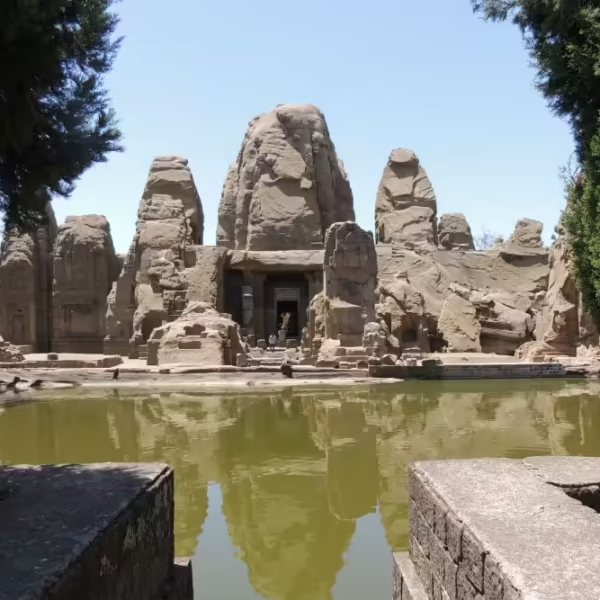
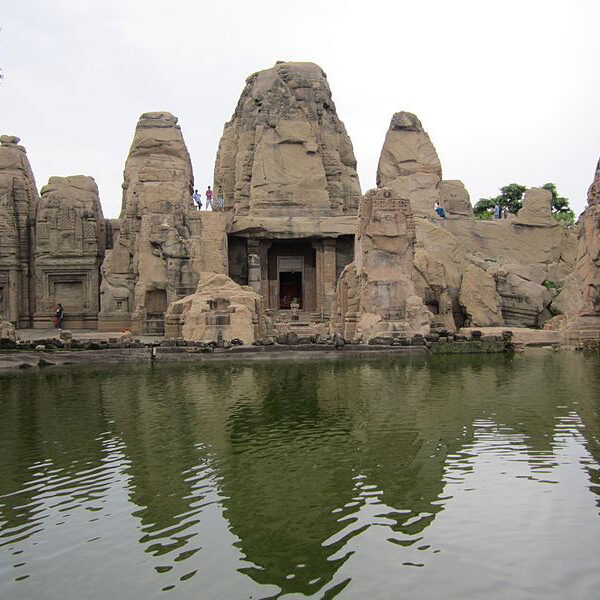
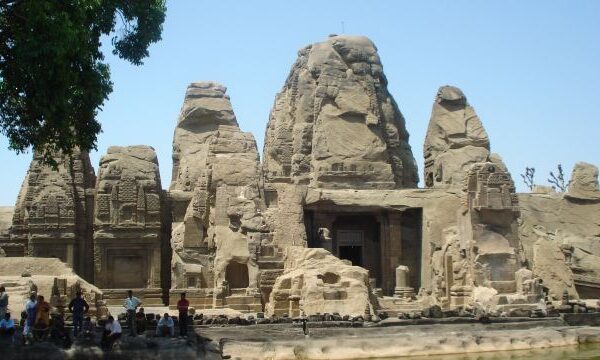
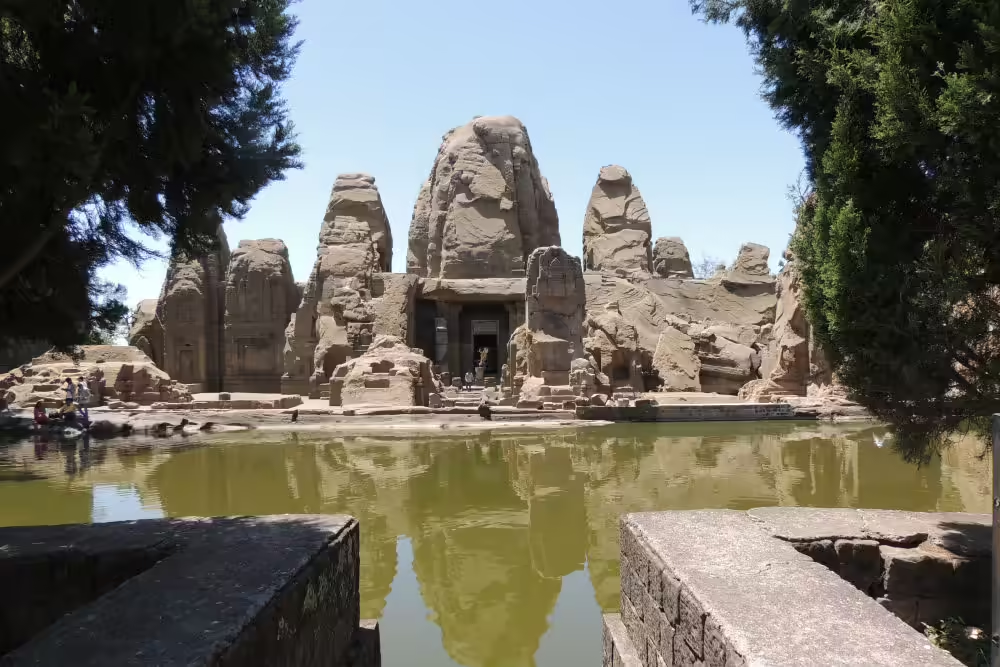
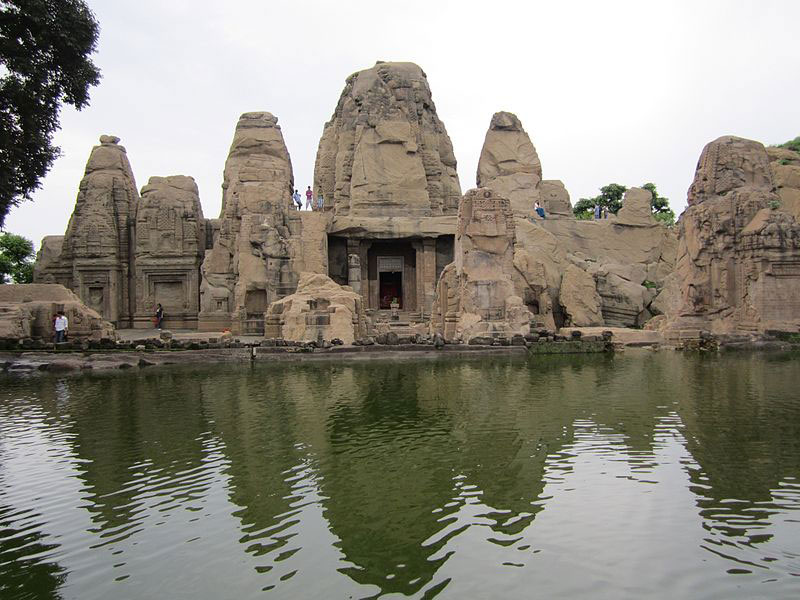
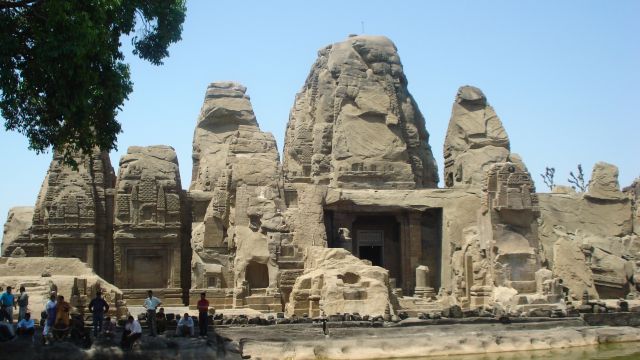
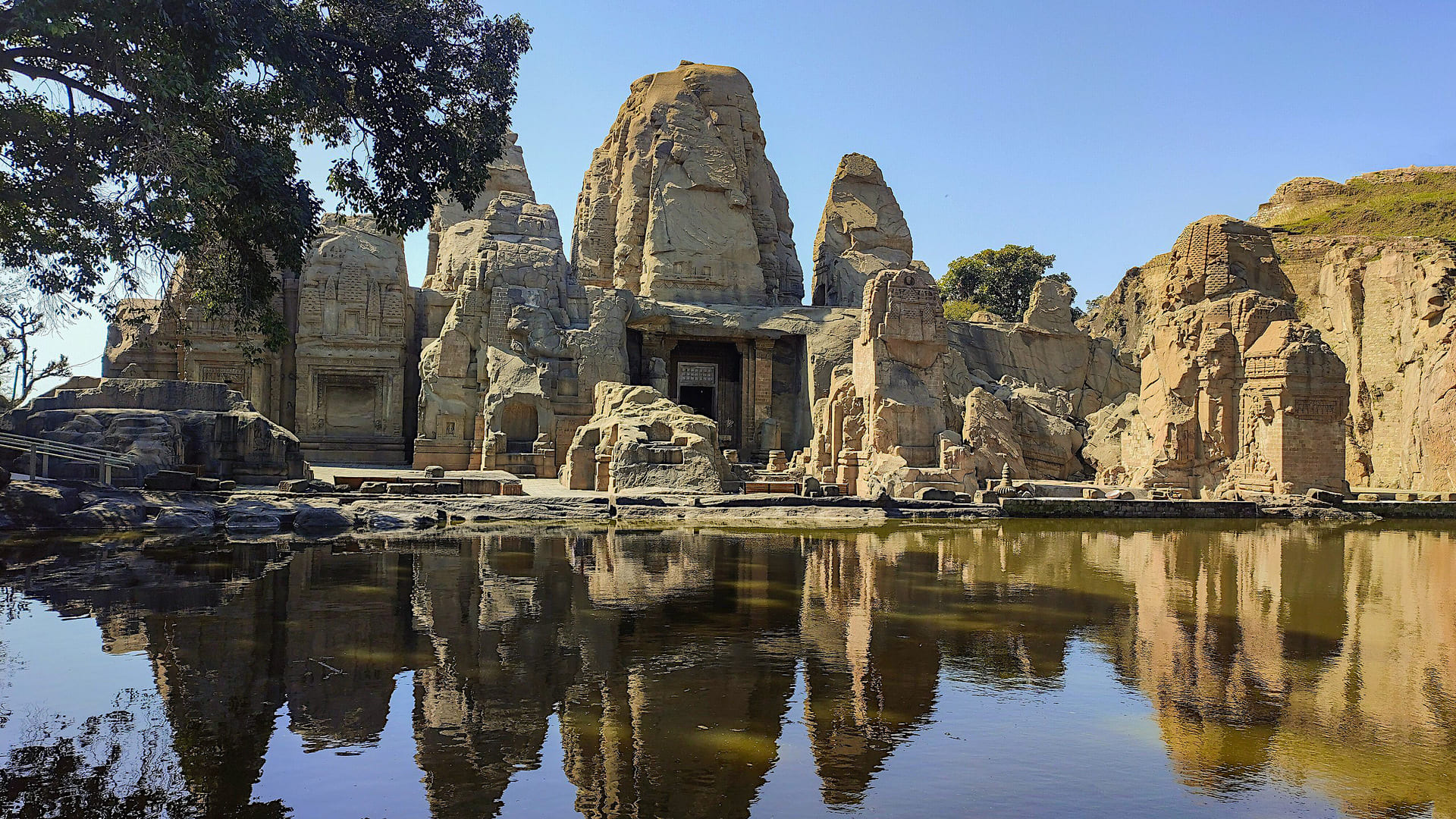
Can you imagine carving a whole temple from one giant stone? No bricks. No cement. Just one big piece of rock. That’s exactly what happened here. The Masroor temple wasn’t built—it was carved. All by hand. That alone makes it special. But there’s more to it than just the carving.
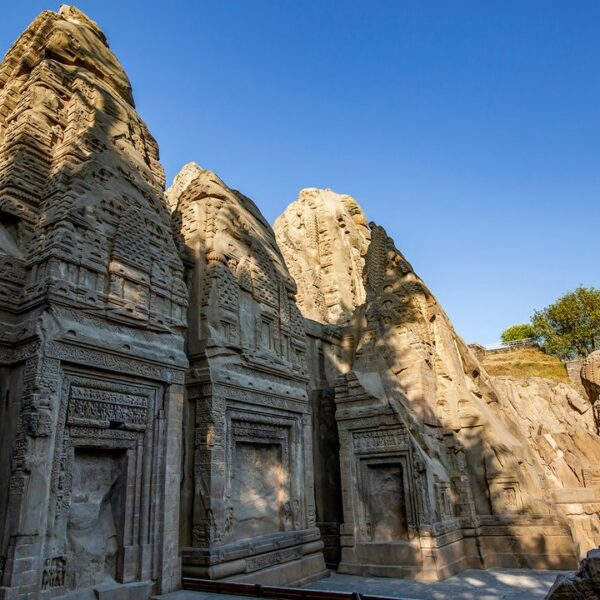
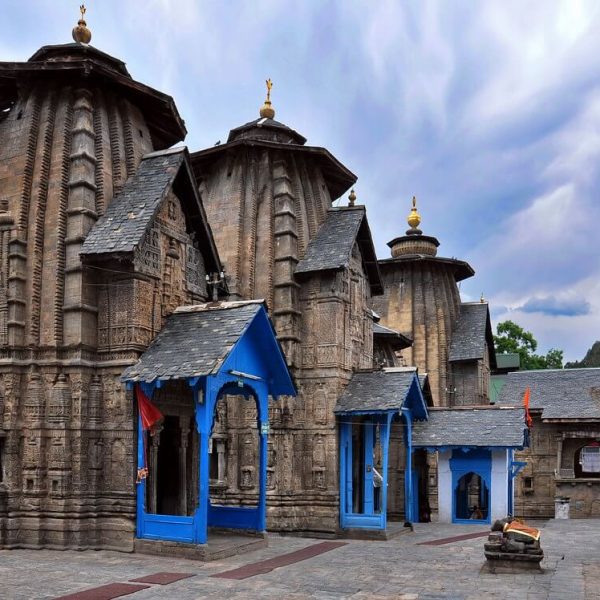
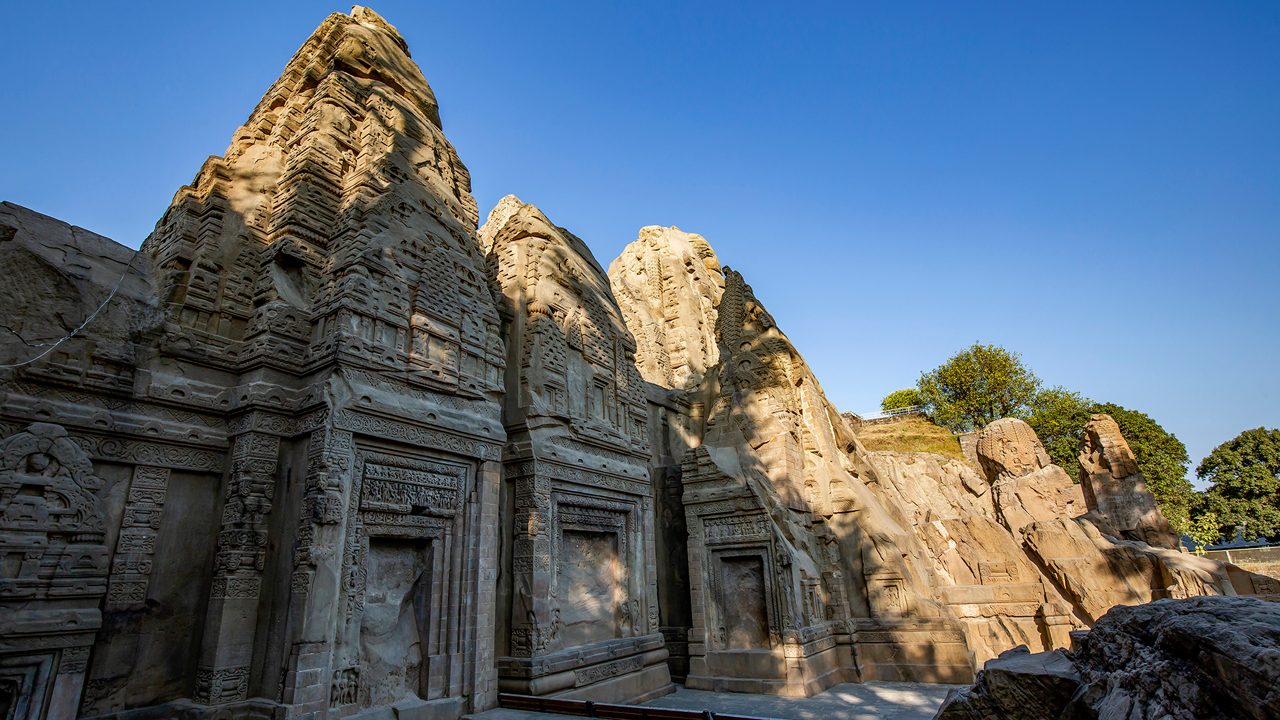
People believe this temple is over 1,200 years old. Some even say it was made by the Pandavas during their exile. It’s linked to stories from the Mahabharata. When you walk around, you’ll see statues of Lord Shiva, Vishnu, and other gods. Some carvings are broken now, but you can still feel the beauty in every corner.
A Peaceful Spot You’ll Never Want to Leave
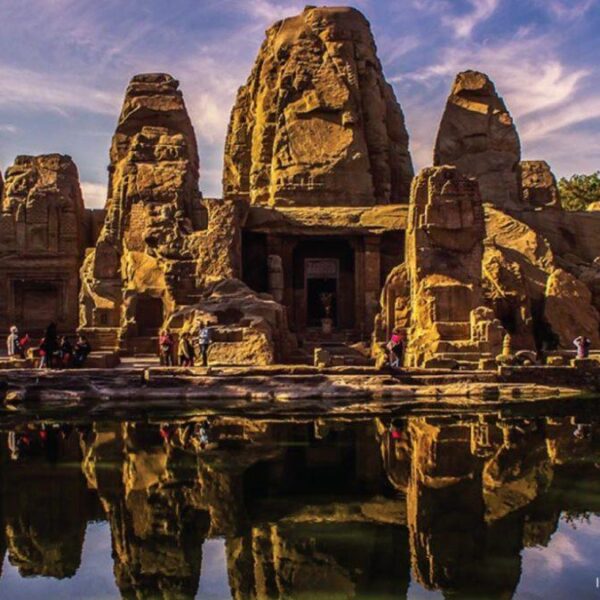
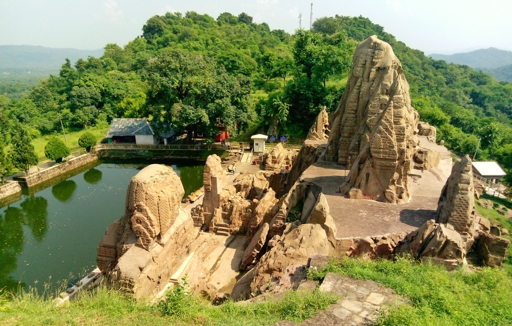
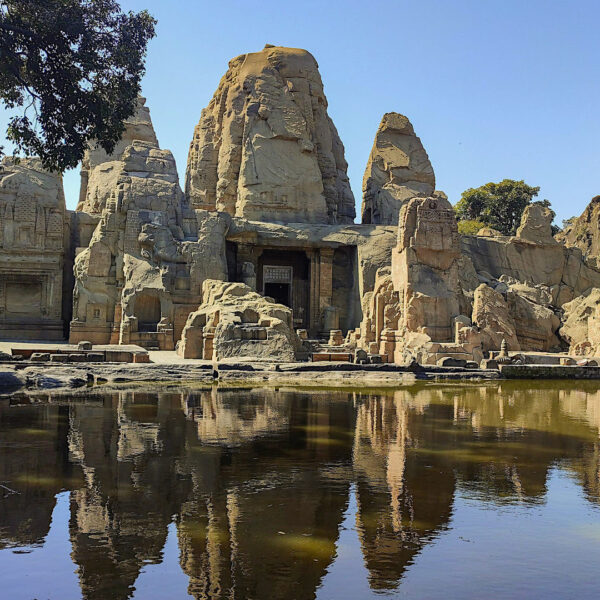
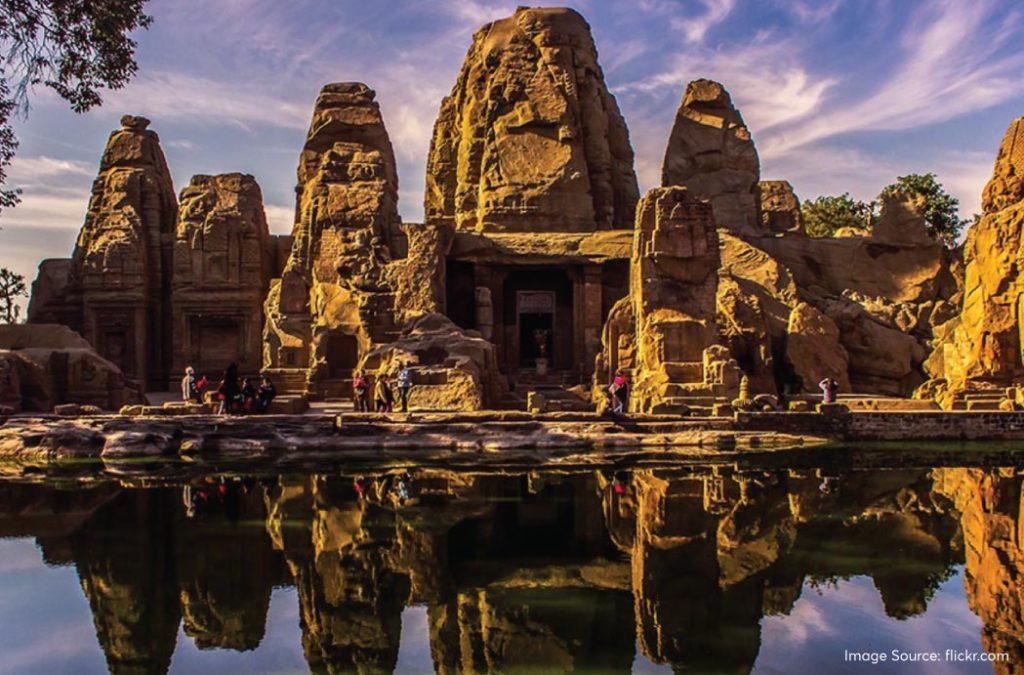
The temple sits on a small hill. In front of it, there’s a still pond. On a clear day, the whole temple reflects in the water. It feels like a dream. You can just sit there and look at it for hours. No noise. No crowd. Just birds, soft wind, and silence.
Even if you don’t believe in any god, this place touches your heart. It makes you feel calm. Safe. Still. Like everything is okay for a moment.
Where It Is and How to Get There
Masroor village is about 40 km from Kangra and around 50 km from Dharamshala. If you’re staying in Dharamshala, it’s a smooth drive. You can take a cab or even a local bus. The roads are good. You’ll pass through green hills, tiny homes, and smiling faces.
If you’re coming from far, the closest train station is Pathankot. From there, it’s a 2–3 hour drive. You can also fly into Gaggal Airport, which is just 15 km from Kangra. Then a short road trip, and you’re there.
What’s the Best Time to Visit?
If you love sunshine, March to June is lovely. The skies stay clear, and the weather is perfect for walking. September to November is also a good time. The hills are green and fresh after the rains.
If you visit in the monsoon (July–August), be ready for some rain and muddy paths. Winter (December–February) is quiet and peaceful, but bring warm clothes. It can get really cold, especially in the morning and evening.
Do You Need a Ticket?
Nope. It’s free. There’s no entry ticket. You can walk around as long as you like. No one will rush you. It’s looked after by the Archaeological Survey of India, but there are no big guards or fences. Just be kind to the place. Don’t touch the old carvings. Don’t leave any trash. This place is a gift. Let’s keep it that way.
A Place That Feels Like a Painting
The best thing about this temple is how it looks when the sun hits it. Early morning and evening light make the stone glow. The carvings cast shadows. The reflection in the pond becomes perfect. Even if you’re not into photography, you’ll want to take pictures.
But it’s not just about the photos. It’s how the place feels. Still. Gentle. Like the world has slowed down.
Don’t Expect a Fancy Market or Cafe
There aren’t any big shops or restaurants here. Maybe a tea stall or two. That’s it. So it’s best to carry a water bottle, a little snack, and maybe some tissues. You can stop for a proper meal back in Kangra or Dharamshala. But honestly, that quiet tea under a tree? It might be the best chai of your life.
Let the Silence Talk to You
When you walk through the narrow stone paths, you might notice how quiet it gets. No traffic. No phones ringing. Just you and the stones. Some of them still whisper old stories if you listen carefully. Sit down. Take a deep breath. Let your mind slow down.
Even if you’re tired from your journey, this place will make you feel light again.
Talk to the Locals—They Know the Real Stories
If you meet any villagers nearby, talk to them. Ask them what they know. Many have heard tales from their parents and grandparents about this place. Some believe it has hidden tunnels. Some say the gods still visit. These are not in any guidebook. But they make the visit feel personal. Like you’re now a part of the story too.
Why Masroor Feels Different
We often visit famous places just because everyone talks about them. Big temples. Big crowds. Big photos. But Masroor is different. It doesn’t ask for attention. It just waits quietly. And when you reach, it gives you everything—peace, beauty, history, and a little bit of magic.
It’s strong but soft. Old but still alive. It reminds you that real wonders don’t shout. They whisper.
A Few Simple Tips Before You Go
Start your day early. The morning light is beautiful. Wear shoes that are good for walking. The paths are uneven in places. Keep your phone charged if you want photos, but maybe don’t look at it too much while you’re there. This is a place to feel, not scroll.
There are no loud signs or tour guides. Just you and the stones. So go slow. Let the place speak.
Final Words from a Friend
If you’re ever in Himachal and feel like doing something a little different, go to Masroor. Not for Instagram. Not for likes. Just for yourself. For your heart. For that quiet part of your mind that doesn’t get enough space.
Because sometimes, the best places are not the ones everyone talks about. They’re the ones that sit quietly, waiting for someone like you to notice them.
So go. Let the hills welcome you. Let the stones tell you stories. And let Masroor stay in your memory, not just as a place, but as a feeling.