A Calm Start to the Chandrakhani Pass Journey
Chandrakhani Pass is a trek that feels gentle and welcoming. It is often chosen by people who are new to trekking. The trail is beautiful but not scary. Snow peaks, forests, and open meadows are seen along the way. Everything feels balanced here. It is not too hard and not too easy.
This trek is also close to popular places. That makes travel simpler. Many people choose this trek to slow down and enjoy nature. It feels like a good break from busy life. The pass gives wide views that stay in memory.
How to Reach the Starting Point
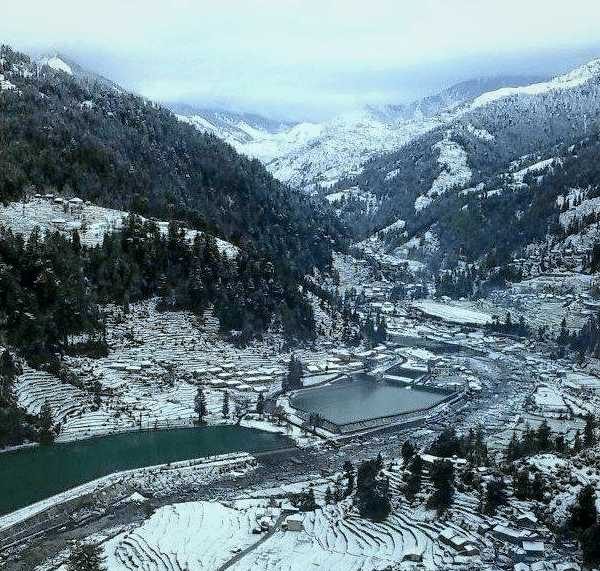
The trek usually starts from a village called Rumsu. This village is near Naggar in Himachal Pradesh. To reach here, you first travel to Bhuntar. Bhuntar is well connected by road and air. From Bhuntar, a drive takes you to Naggar.
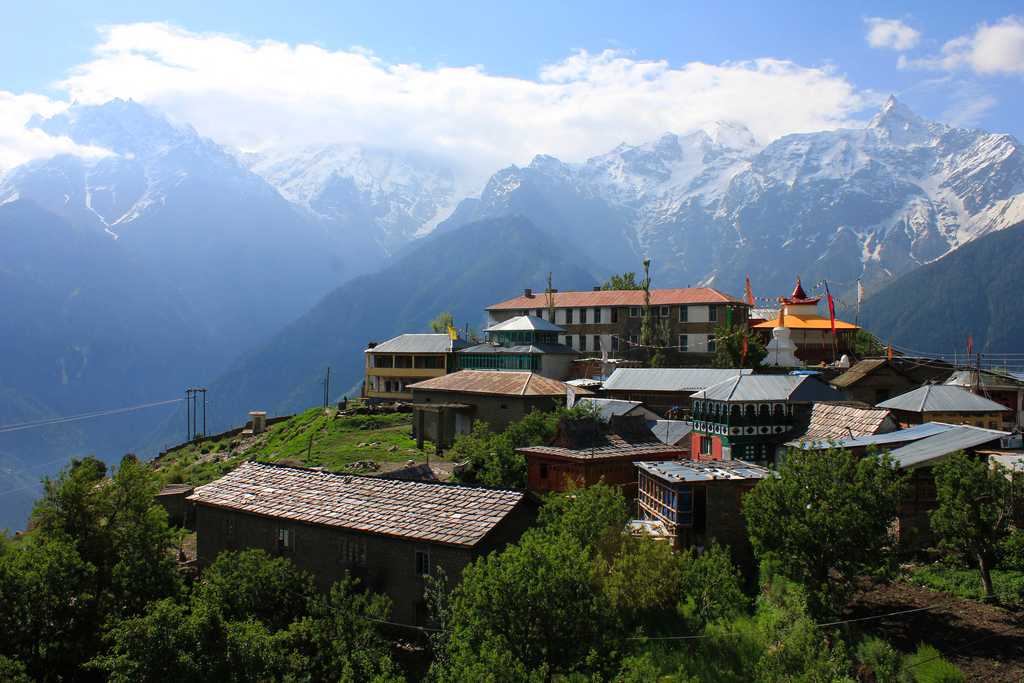
Local taxis are easily available from Kullu or Manali. The drive itself feels scenic and calm. Mountains and rivers follow you along the road. Rumsu village feels quiet and friendly. Spending a night here helps you settle in.
Chandrakhani Pass Trek Route Map Explained
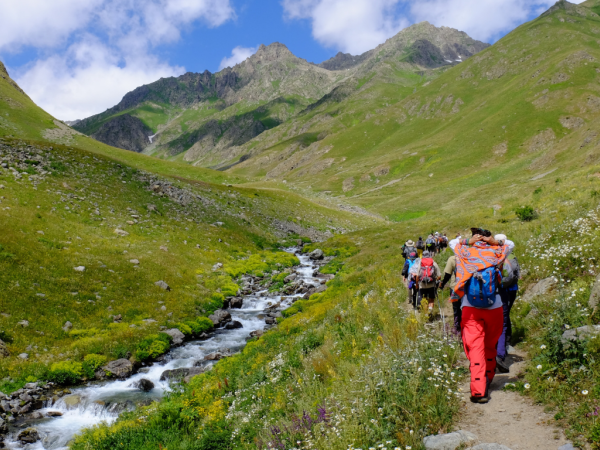
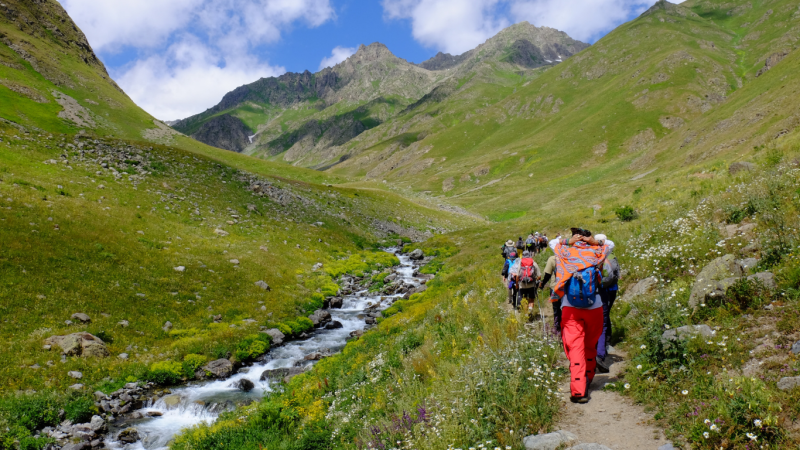
The route of Chandrakhani Pass is easy to follow. From Rumsu village, the trail enters forest areas. Pine and oak trees surround the path. The walk feels shaded and cool here. This part of the trail is gentle and steady.
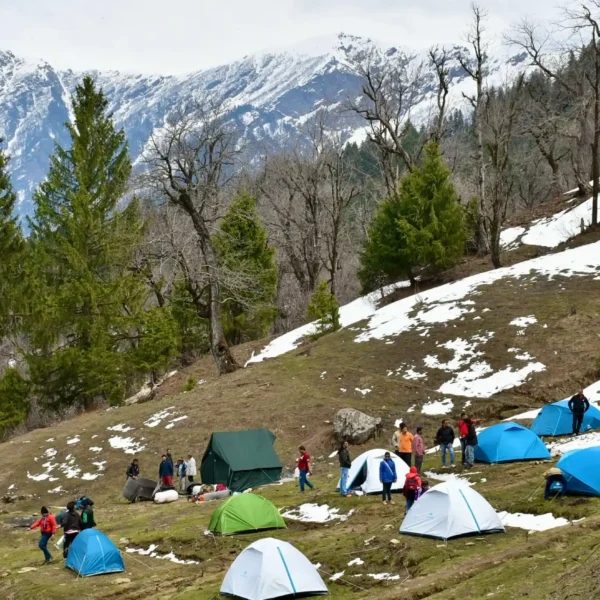
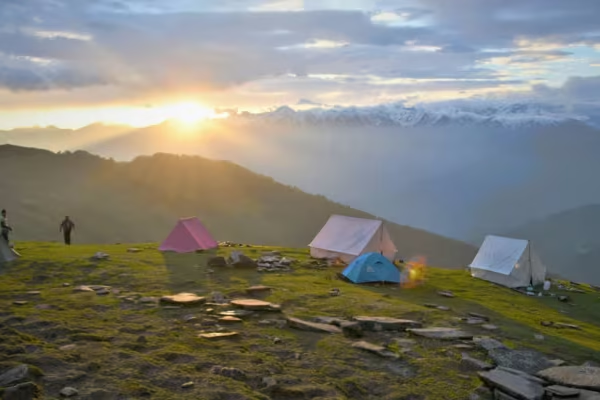
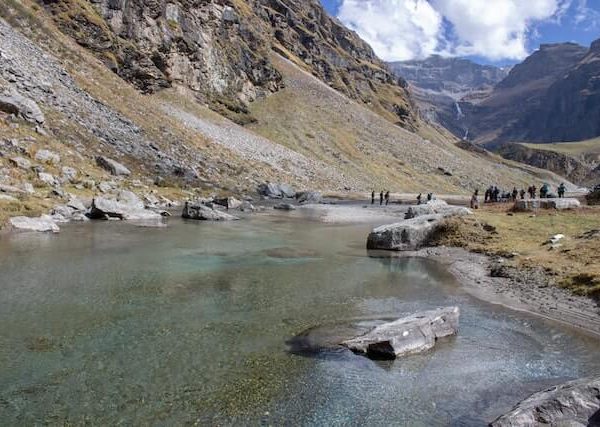
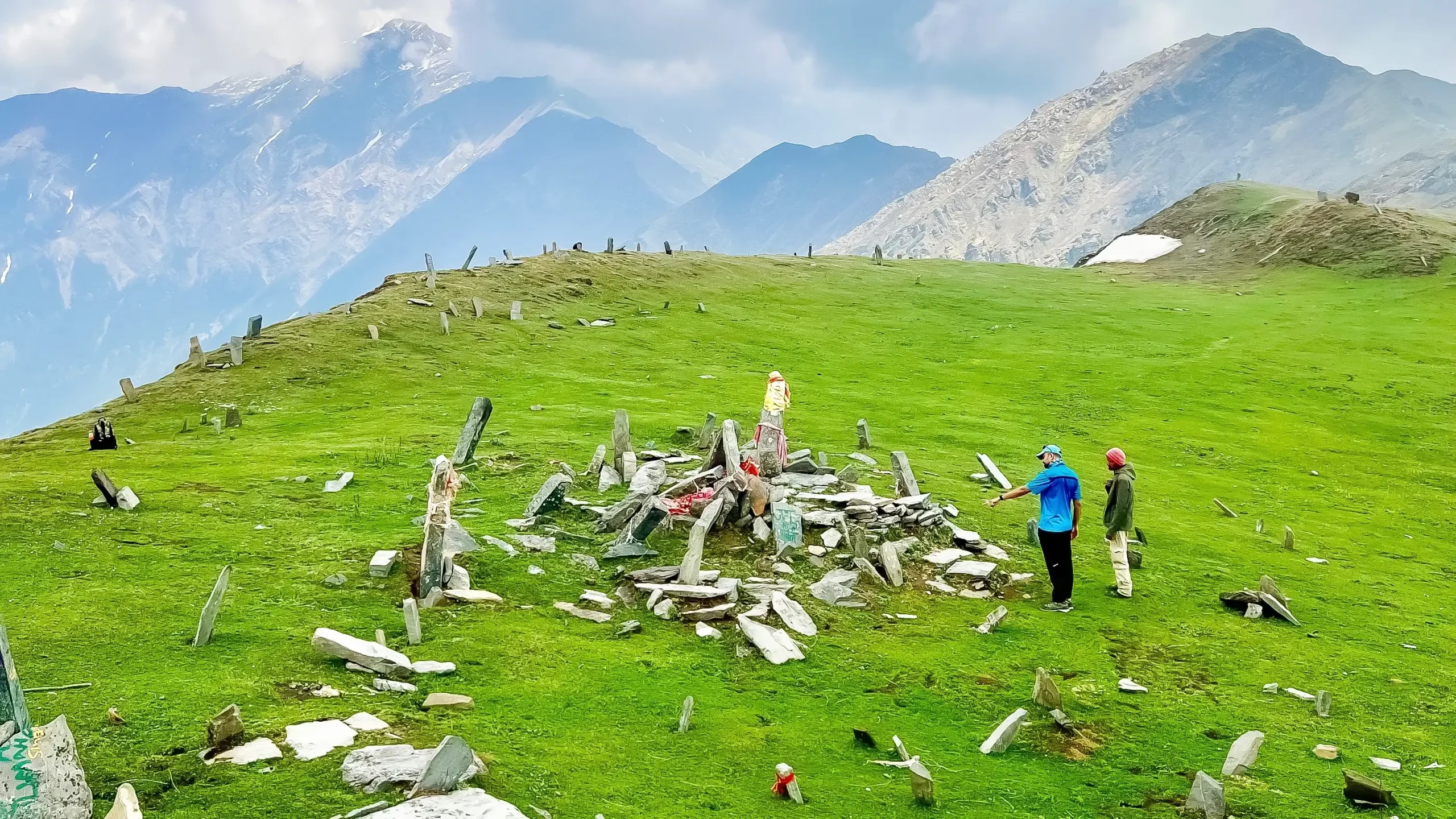
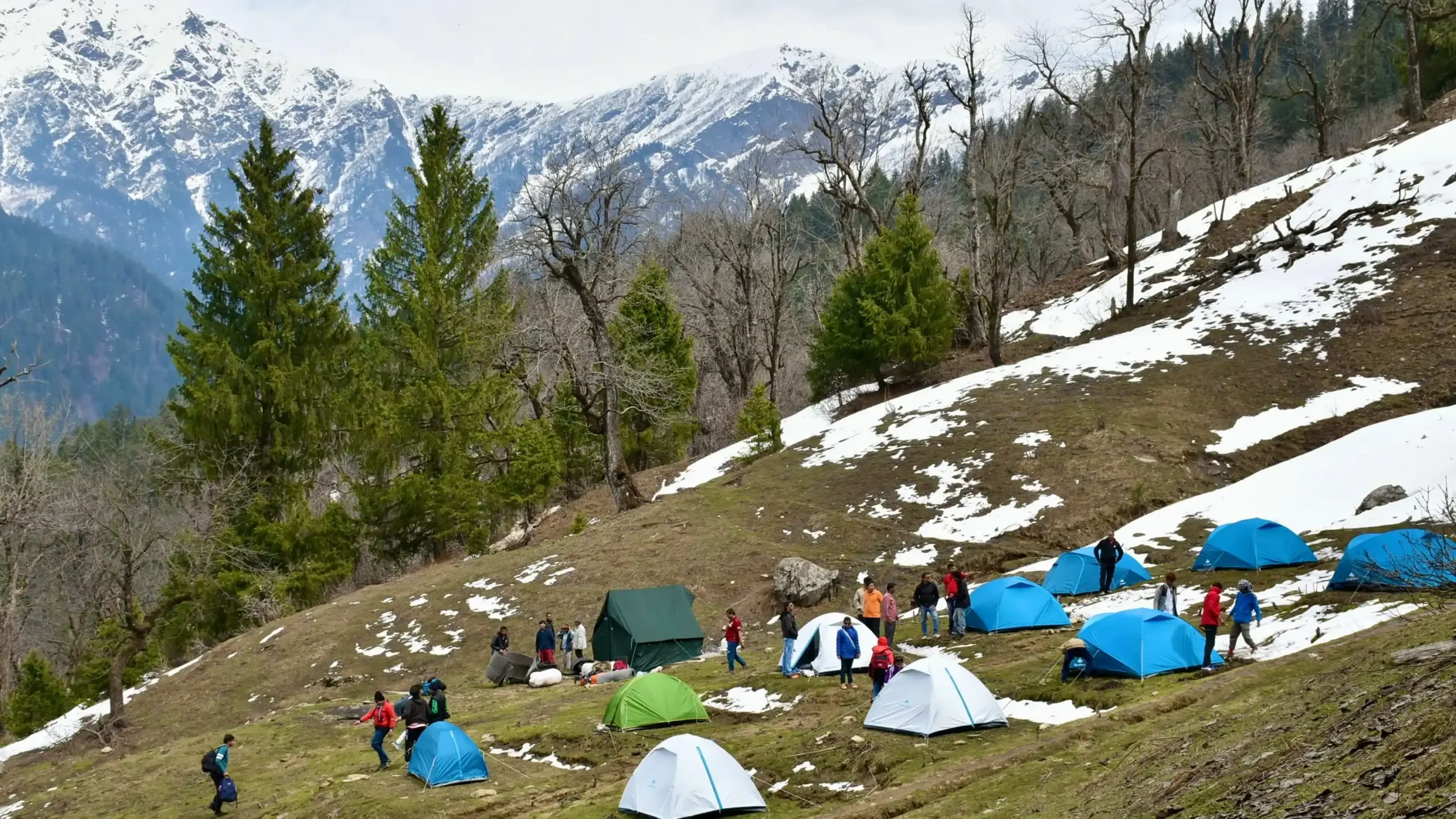
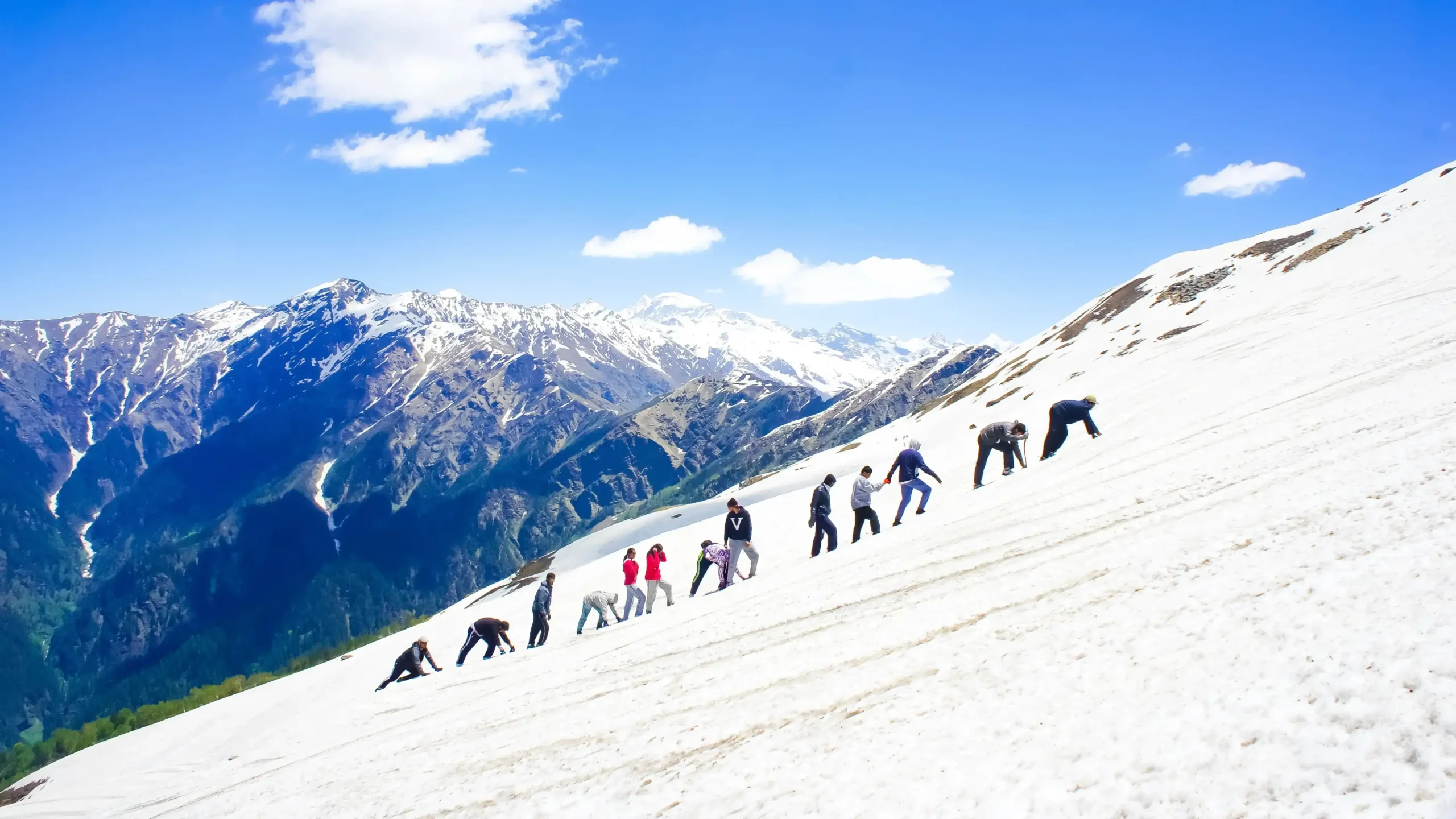
After a few hours, open meadows start to appear. These meadows are called Thakur Kuan. Many trekkers camp here for the night. From this point, the trail moves upward. The final stretch to the pass is steeper but short.
Key Landmarks Along the Trek
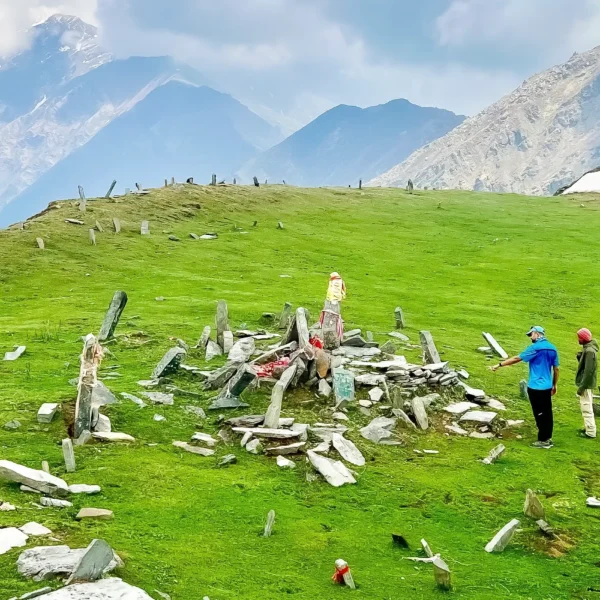
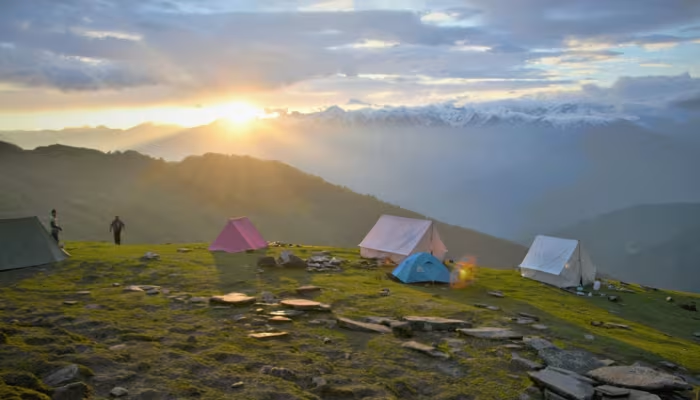
Rumsu village is the first landmark. It gives a clear view of village life in the hills. Thakur Kuan is the next important spot. It is an open meadow used as a campsite. The views here are wide and peaceful.
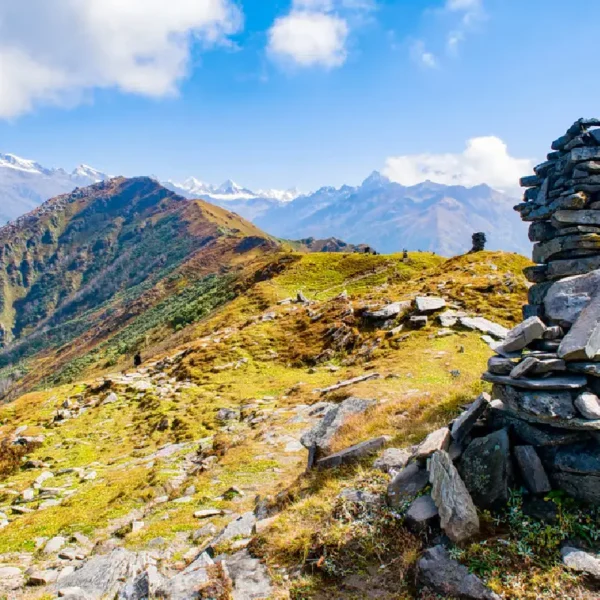
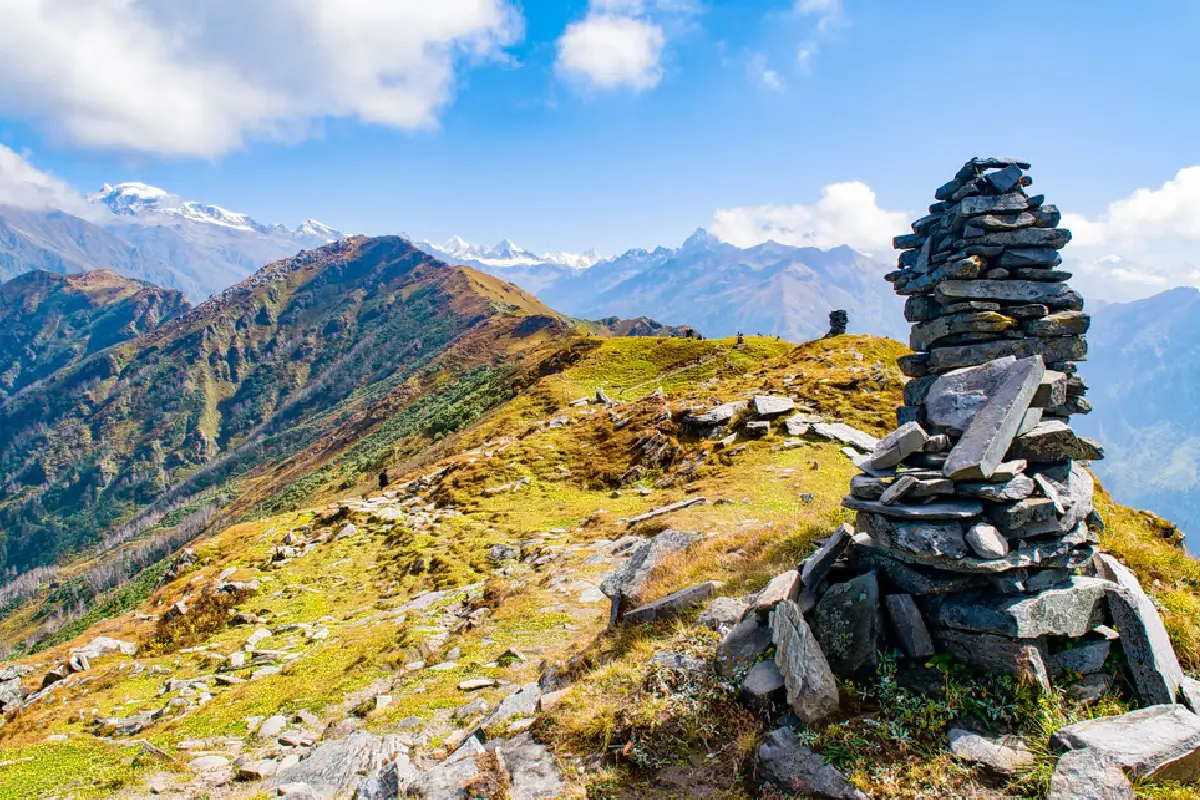
Chandrakhani Pass itself is the main highlight. From the top, many mountain peaks are visible. Peaks like Deo Tibba and Pir Panjal ranges can be seen on clear days. The feeling at the top is calm and proud. It feels worth the effort.
What the Trek Feels Like Each Day
The first day feels relaxed. The trail is kind to your legs. Walking through forests feels refreshing. Bird sounds are heard often. The air feels clean and cool.
The second day is more demanding. The climb to the pass tests your breath. Breaks are needed often. Reaching the top brings a sense of joy. The way down feels easier and faster.
Chandrakhani Pass Weather Month by Month
Weather changes a lot here. Each month brings a different feel. Planning the trek based on weather is very important. Knowing what to expect helps you pack better. It also makes the journey safer.
Let us walk through the months slowly. This helps you choose the right time. Weather decides how the trail looks and feels. Some months are calm while others are risky.
Weather in April and May
April marks the start of trekking season. Snow is still seen on higher parts. Forest sections stay clear and pleasant. Days feel cool and nights feel cold.
May brings better weather. Snow melts slowly. Meadows start turning green. The trail becomes easier to walk on. This month is good for first time trekkers.
Weather in June and July
June offers warm days and clear skies. Views from the pass are sharp and wide. Flowers bloom in the meadows. This is a popular month for trekking.
July brings monsoon rain. Trails can get slippery. Clouds may block mountain views. Trekking becomes risky during heavy rain. It is better to avoid this month.
Weather in August and September
August still has rain at times. Landslides can happen on roads. Trekking needs caution during this month. Fewer people choose this time.
September feels fresh and clean. Rain slows down. Skies become clear again. The trail feels calm and quiet. This is one of the best months to trek.
Weather in October and Beyond
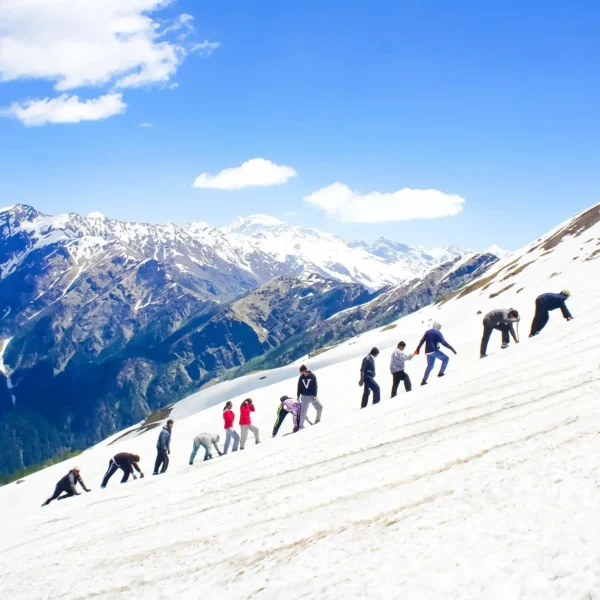
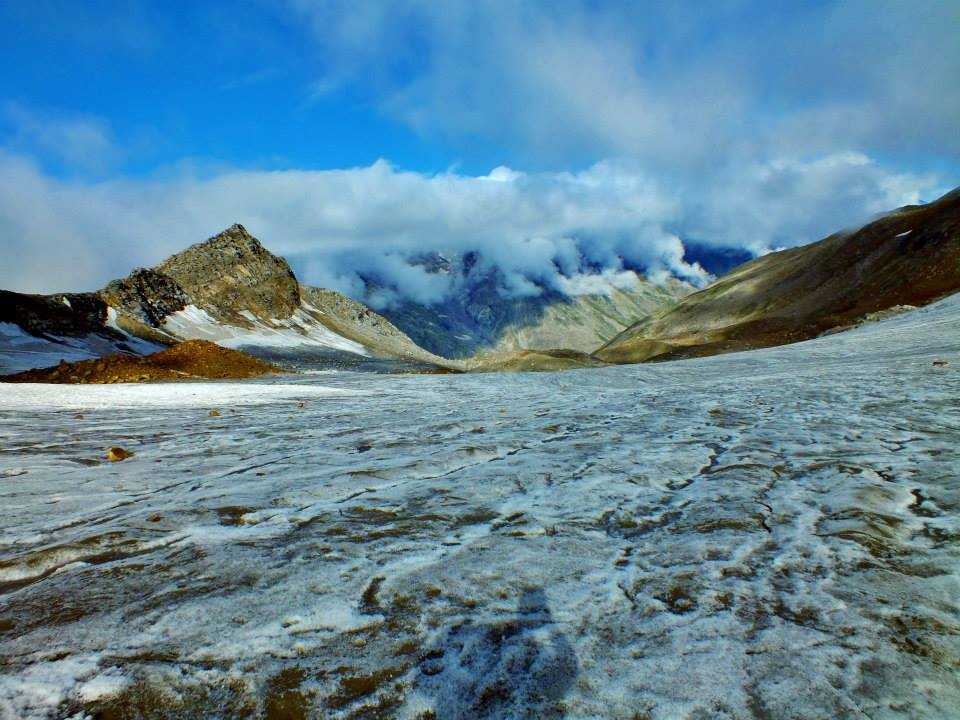
October brings cold nights. Days stay pleasant but short. Snow may appear near the pass. Trekking is still possible early in the month.
After October, winter sets in. Heavy snow blocks the trail. Trekking becomes unsafe. It is best to avoid winter months. The pass stays closed naturally.
What to Wear on the Trek
Clothing should be simple and layered. A warm jacket is always needed. Even summer nights feel cold. A light sweater works during daytime.
Trekking pants are more comfortable than jeans. Full sleeve tops protect from sun and wind. A cap and sunglasses help a lot. Woollen socks keep feet warm.
Shoes and Small Gear That Matter
Good trekking shoes are very important. Shoes should have a strong grip. This helps on rocky and muddy paths. New shoes should be avoided.
A small backpack is enough. Carry water and snacks. Energy bars and dry fruits help. A rain jacket is useful during sudden weather changes.
Food and Stay During the Trek
Camping is the main stay option. Tents are set up in meadows. Nights feel quiet and peaceful. Stars look bright in clear weather.
If trekking with a guide, food is arranged. Meals are simple and warm. Hot tea feels comforting in cold air. Eating on time keeps energy steady.
Local Culture and Respect
Villages along the trek follow simple lifestyles. People are kind and helpful. Respecting their space is important. Always greet locals politely.
Avoid loud music on the trail. Nature feels better in silence. Do not leave trash behind. Carry back all waste. This keeps the trail clean.
Is Chandrakhani Pass Right for You
This trek suits beginners and casual trekkers. It does not need technical skills. Basic fitness is enough. Patience matters more than speed.
If you enjoy nature and slow walks, you will love this trek. It is not about rushing. It is about enjoying each step. The views reward calm effort.
Final Thoughts Before You Plan
Chandrakhani Pass feels friendly and honest. It offers beauty without pressure. The trail teaches you to slow down. Nature feels close and welcoming here.
For people starting their trekking journey, this pass is a great choice. It gives confidence and joy. Sometimes, simple paths lead to the best memories.