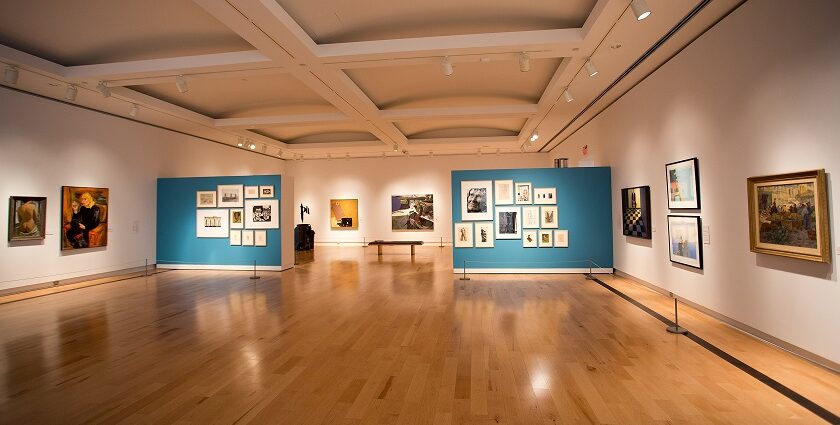
Some places speak without saying a word. The Himalayan Art Museum is one of them. It’s not loud. It’s not big. But the moment you walk in, something shifts inside you. It’s quiet, peaceful, and full of stories that are told through stone, wood, and colour.
If you’re ever in McLeod Ganj, near Dharamshala, this little museum is worth your time. It doesn’t ask for much. Just a little attention. And in return, it gives you something deep and calming.
Where Time Stands Still
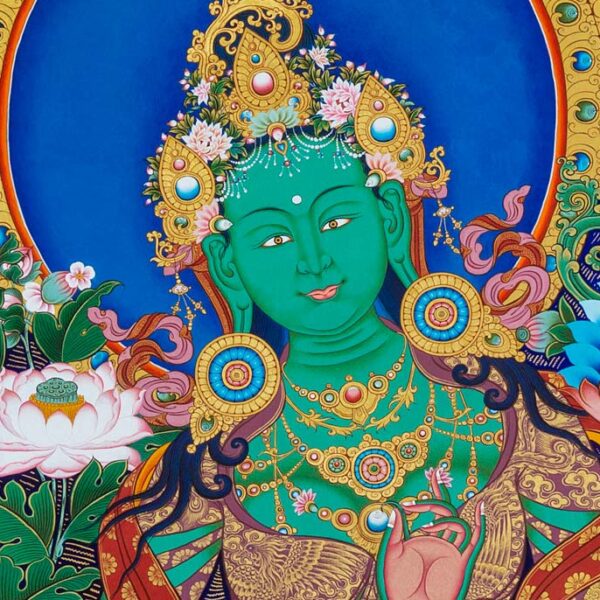
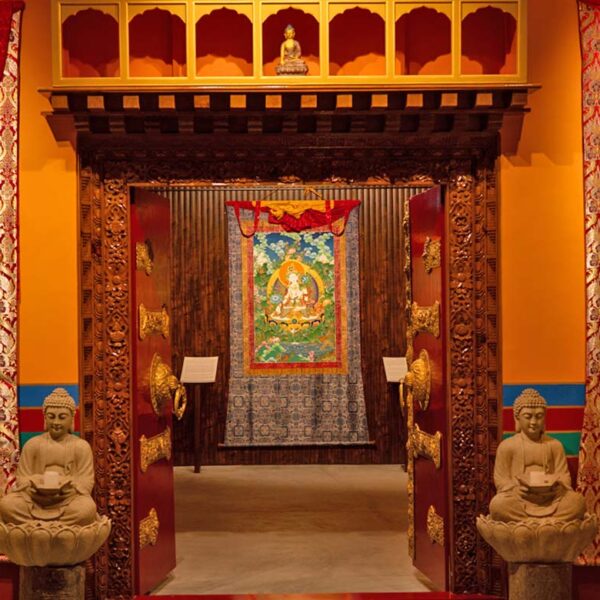
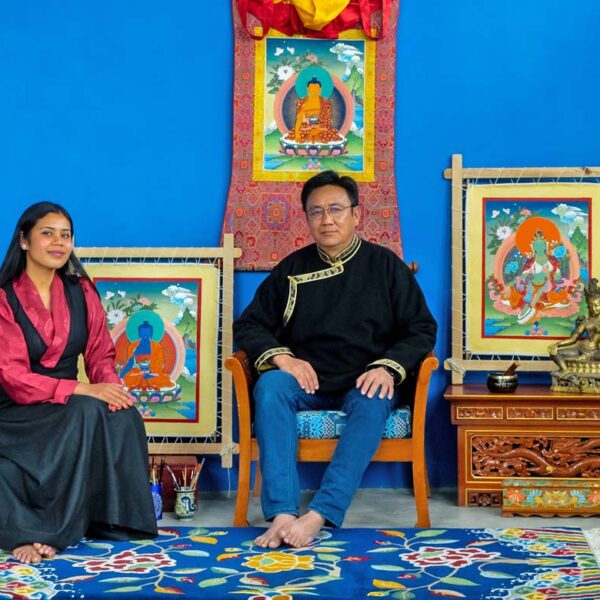
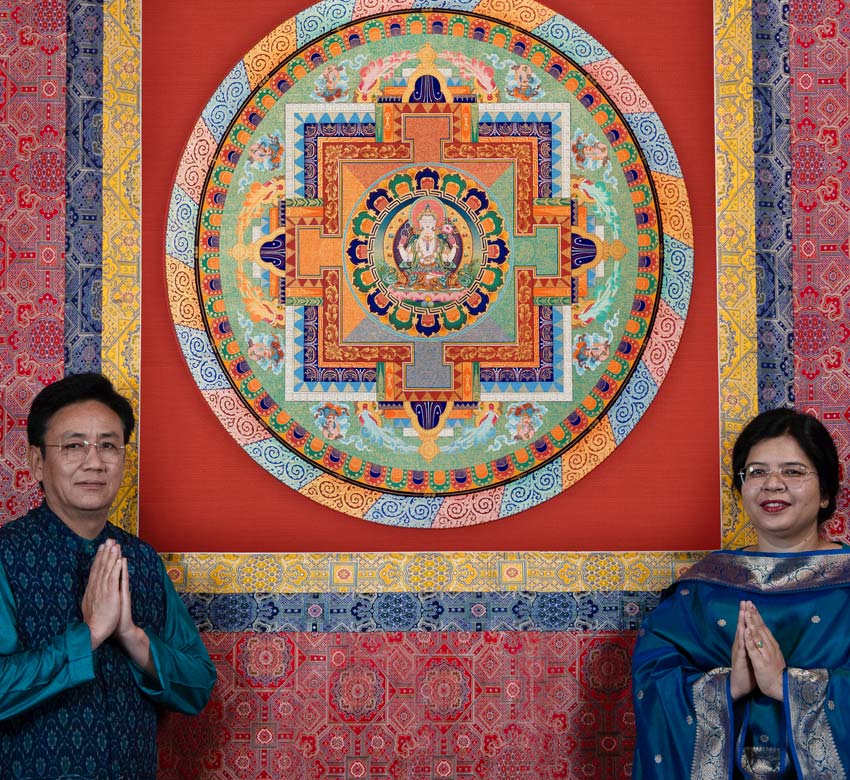
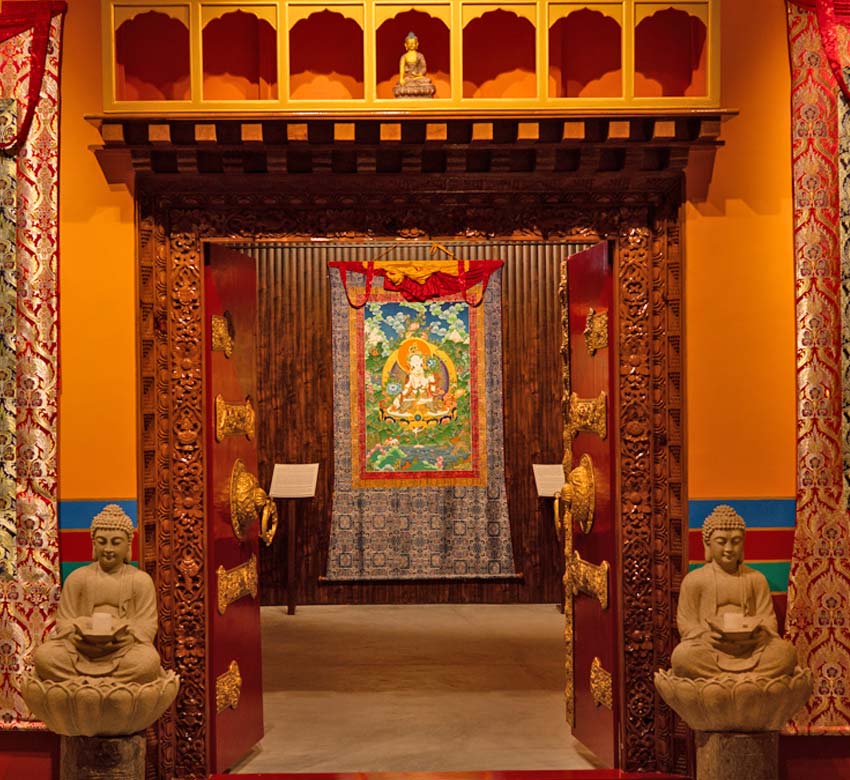
This museum isn’t fancy. It doesn’t need to be. It’s built like a simple home for old memories. As soon as you step in, the air feels different. It smells of old wood and silence. You see statues lined up on the walls. Scrolls and paintings hanging quietly. Everything feels gentle. Nothing is rushed here.
You don’t need to know anything about art. Just look. Let your eyes move slowly. Every piece holds a feeling, a prayer, or a piece of someone’s heart from long ago.
Echoes of the Himalayas: A Museum That Feels Like a Temple
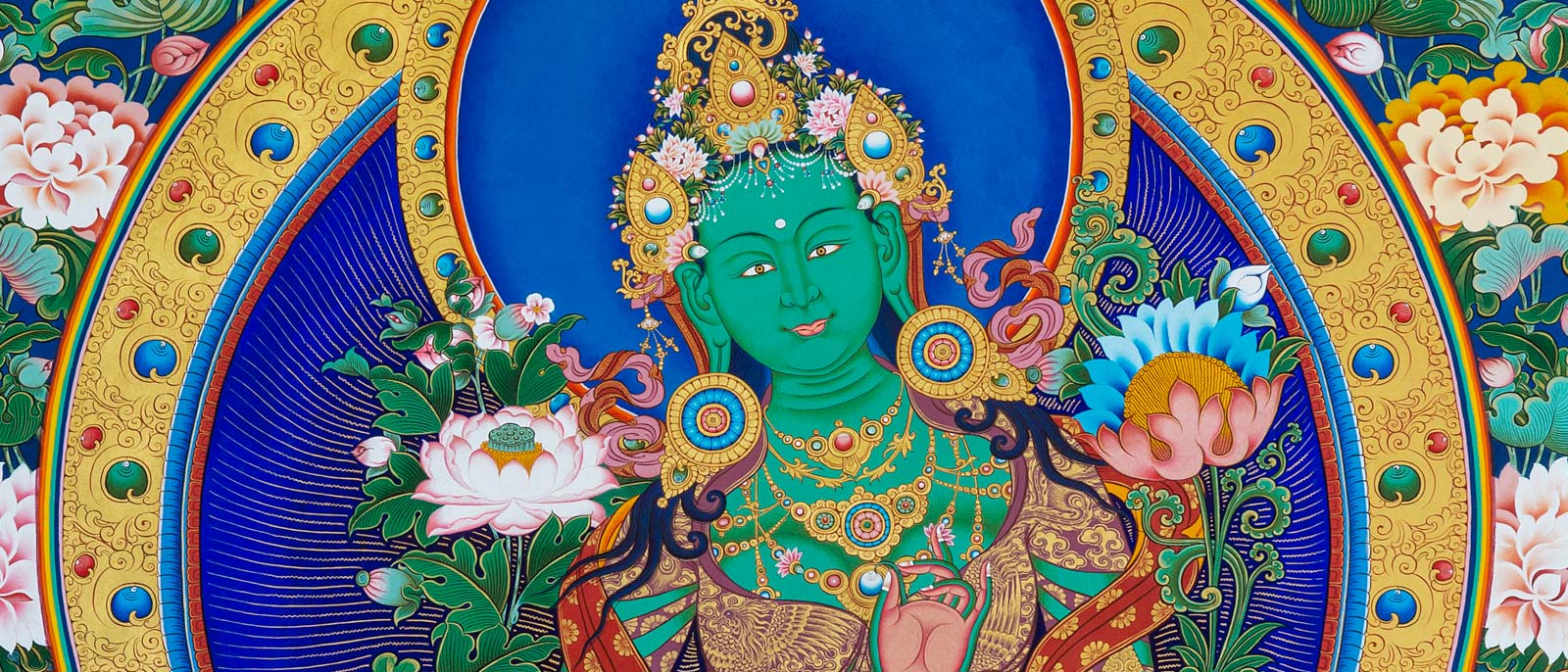
Some statues are small. Some are tall. Some look worn, but that’s what makes them beautiful. They show gods in peaceful poses. Some are dancing. Some are meditating. Some just sit there with closed eyes like they’ve been listening to the mountains for years.
You start to notice the tiny details. A hand folded just right. A soft smile on a stone face. The way the eyes are carved—they don’t stare, they watch. Gently. Like the hills around them.
The Living Traditions of Himalayan Sculpture
The museum doesn’t just store old things. It keeps traditions alive. These sculptures aren’t just art. They were once a part of people’s everyday life. People prayed to them. Cleaned them with care. Dressed them with flowers.
The hands that made these works weren’t thinking about galleries or tourists. They were thinking about faith, about beauty, about making something that would last. And it has. Hundreds of years later, those same pieces are still speaking.
Getting There Is Part of the Journey
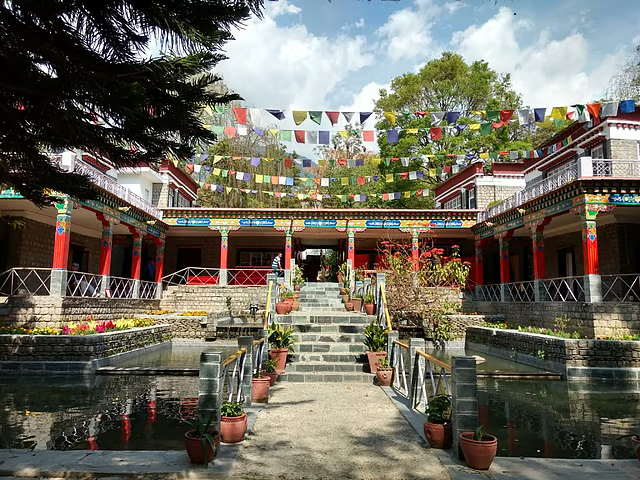
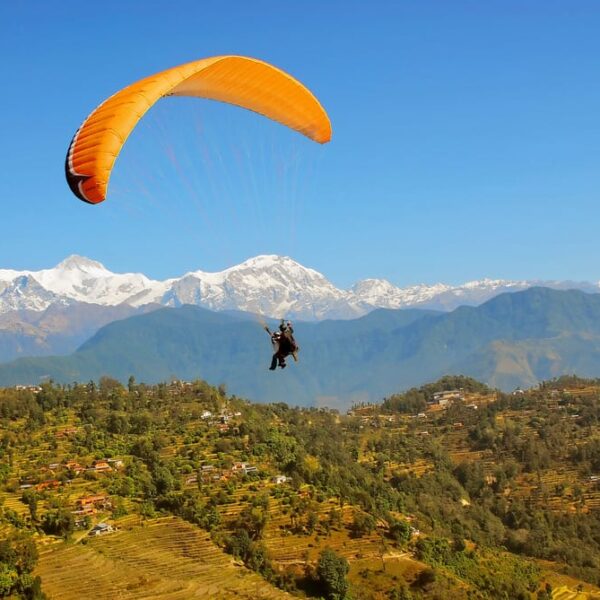
The museum is tucked away in McLeod Ganj, just above Dharamshala in Himachal Pradesh. The roads wind through pine trees and little villages. The air gets cooler as you go up. By the time you reach, it feels like the rest of the world has faded behind you.
You can walk to the museum from the main town if you enjoy long walks. Or take a rickshaw or cab. If you’re coming from farther away, buses and taxis from Delhi or Chandigarh are easy to find. The nearest airport is Gaggal, about 45 minutes away.
Weather That Wraps Around You
The weather here matches the mood of the museum. Soft and slow. From March to June, it’s sunny but gentle. You can walk without sweating. From July to August, it rains. A lot. But the green that comes after is worth it.
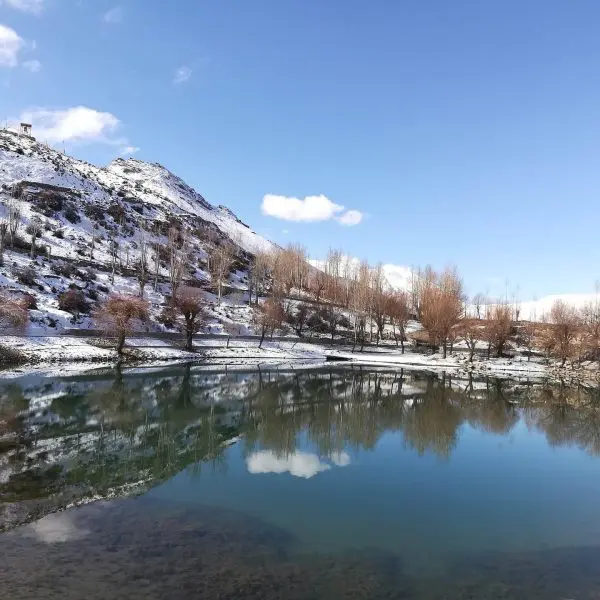
September to November is clear again, and the hills look golden in the sun. Winter brings a quiet kind of cold. The kind that makes you want to sit under the sun with a warm cup of tea. If you’re okay with wearing layers, any season works.
No Rush. No Noise. Just Feel.
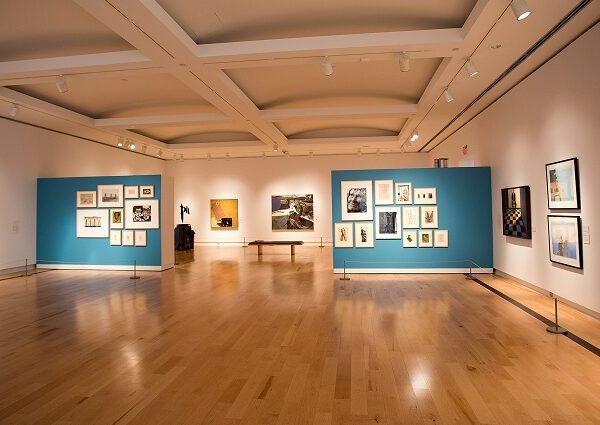
When you’re inside the museum, no one rushes you. You don’t have to move from one spot to another quickly. Just stop wherever your heart tells you. Maybe you’ll stare at one statue for ten minutes. Maybe a painting will remind you of a dream you once had. That’s the beauty of it. It’s your moment.
There are benches where you can sit. Sometimes, you’ll see other visitors just looking. Not talking. Just feeling the space. The museum becomes quiet not just from outside, but inside you too.
You Won’t Need a Big Wallet
The entry fee is very small. Usually around 20 to 50 rupees. Sometimes it’s free on special days. You don’t have to book online. Just show up and walk in. It’s open from 10 a.m. to 5 p.m., but closed on some Mondays. A quick call or Google search can help confirm.
There’s no gift shop pushing you to buy something. No loud announcements. Just the art. Waiting.
The People Make It Even Warmer
If you meet someone working there, smile. Say hello. Most of them are from nearby towns. They care about the place deeply. Ask them something, and you’ll see their eyes light up. They’ll tell you little stories—like how a statue was cleaned, or what a painting means.
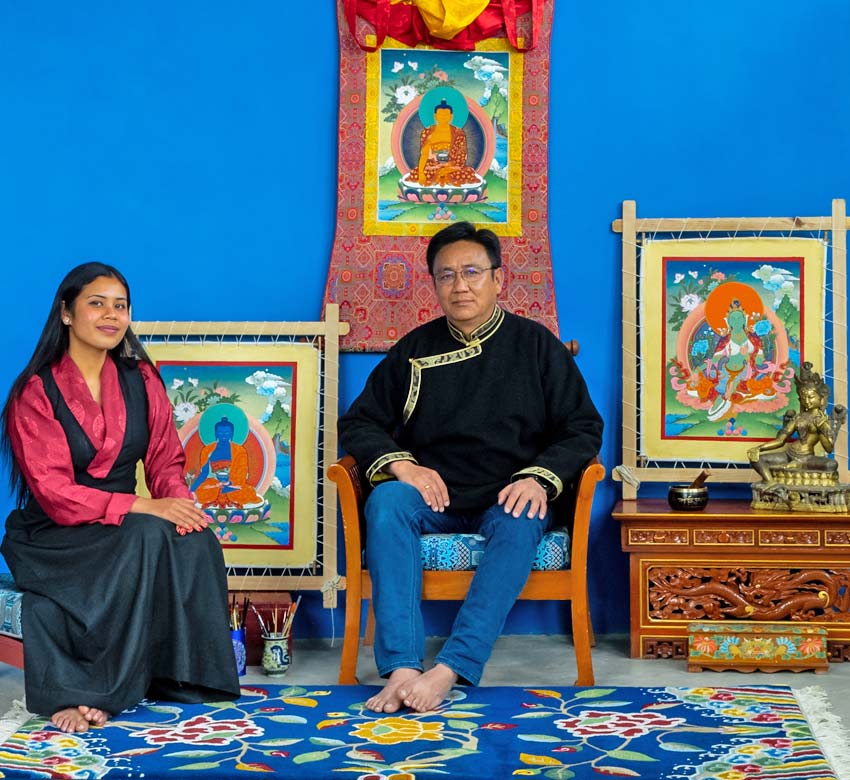
Sometimes local artists visit too. They might show their own work or share how the old art still guides what they do today. It makes the whole visit feel more alive.
Take a Part of It With You (In Your Heart)
You won’t find big souvenirs or flashy signs. But what you’ll take home is better. You’ll leave feeling softer. Lighter. Like something inside you got quiet. The art doesn’t just stay in the museum. It stays in your heart.
It reminds you that beauty doesn’t need to be perfect. Those quiet things have the most to say. Those old hands made something that still matters.
Simple Things to Know Before You Go
Wear comfortable shoes. The walk there may feel long if you’re not used to hills. Bring a small water bottle. Maybe carry a notebook or sketch pad. You might want to write or draw after seeing the art. It just happens. Turn off your phone, or at least put it on silent. Let yourself be fully there.
And take your time on the way back. Look at the trees. Smile at people. Let the feeling of the place stay with you a little longer.
Before You Leave the Hills…
There are many reasons people visit Himachal. The weather. The views. The food. The peace. But sometimes, it’s places like this little museum that leave the deepest mark.
The Himalayan Art Museum is not just a place to see things. It’s a place to feel. A place to listen—not with your ears, but with your heart.
So go. Not just to look. But to feel. And when you leave, don’t be surprised if a part of you wants to stay behind.
Because the mountains don’t just echo through the valleys. Sometimes, they echo through art.