First feelings when you arrive
Mahakala Vajra-bhairava Temple feels different the moment you reach it. The air feels still. Sounds seem softer. Many people slow down without trying. The place has a strong presence, yet it feels peaceful at the same time.
This temple is not loud or crowded. It stands quietly in its surroundings. Visitors often pause before walking in. Something about the space asks you to be calm.
Mahakala Vajra-bhairava Temple history
The history of the Mahakala Vajra-bhairava Temple goes back many centuries. It was built as a sacred place for worship and protection. Mahakala and Vajra-bhairava are powerful guardians in Buddhist belief. The temple was created to honor that strength.
Monks once used this place for deep rituals and study. Prayers were offered for safety and balance. Over time, local people also began visiting regularly. The temple slowly became part of daily life in the region.
Stories passed through generations
Older monks share stories about the temple with respect. These stories talk about protection and inner strength. People believed the deities helped guard the land. Faith grew through shared experience.
Even today, many locals visit before important events. Some come before long journeys. Others come during hard times. The temple is seen as a place of support.
Mahakala Vajra-bhairava Temple location
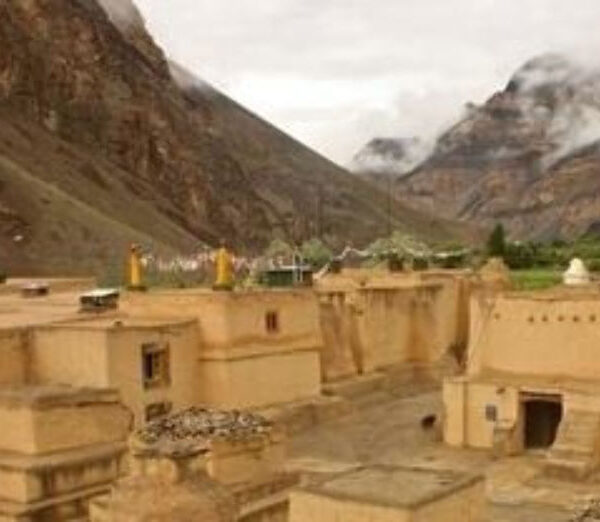
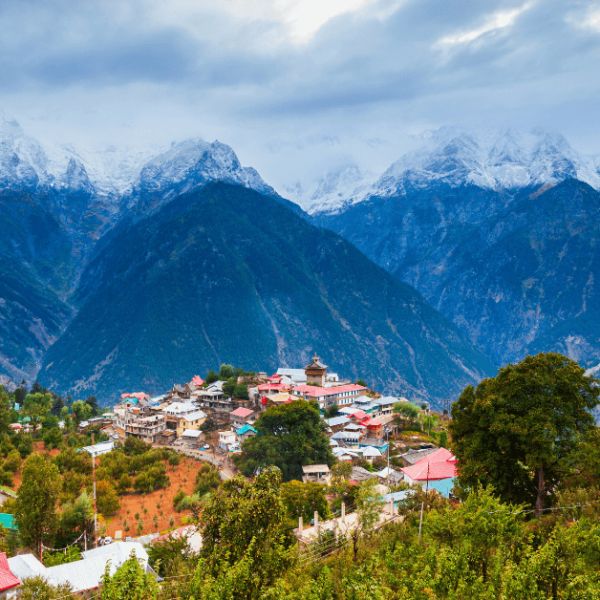
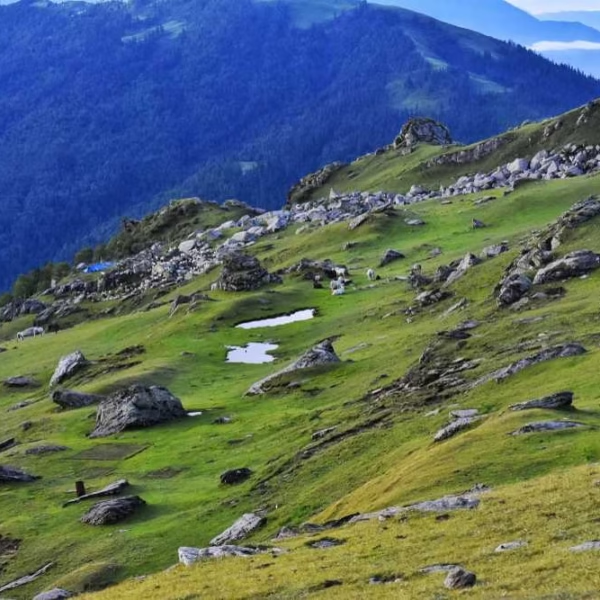
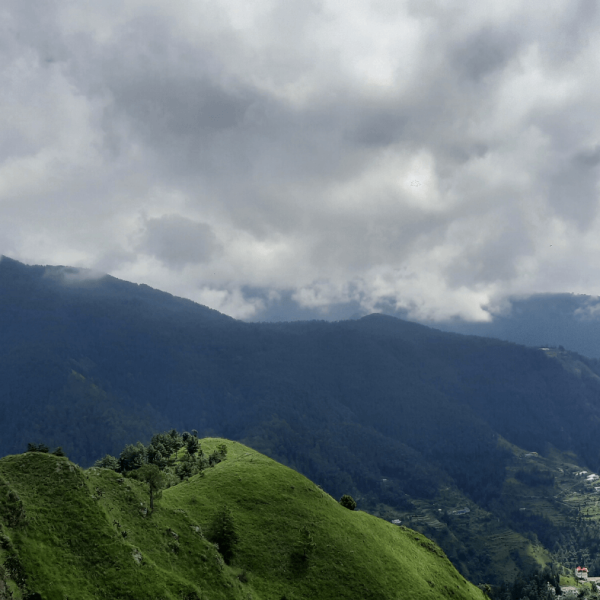
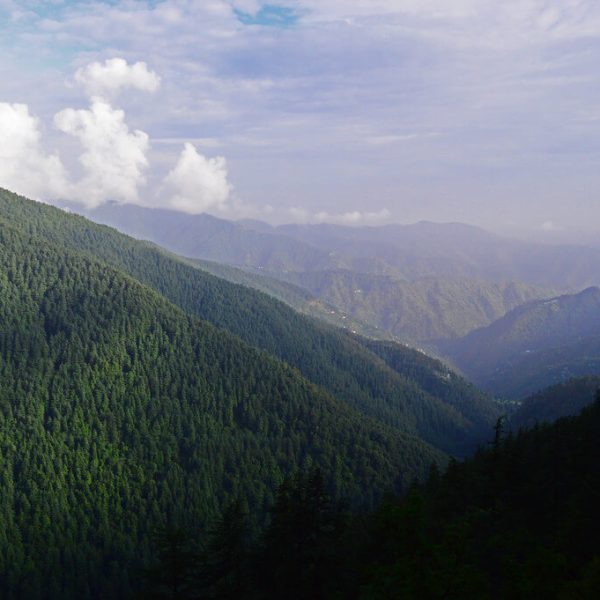
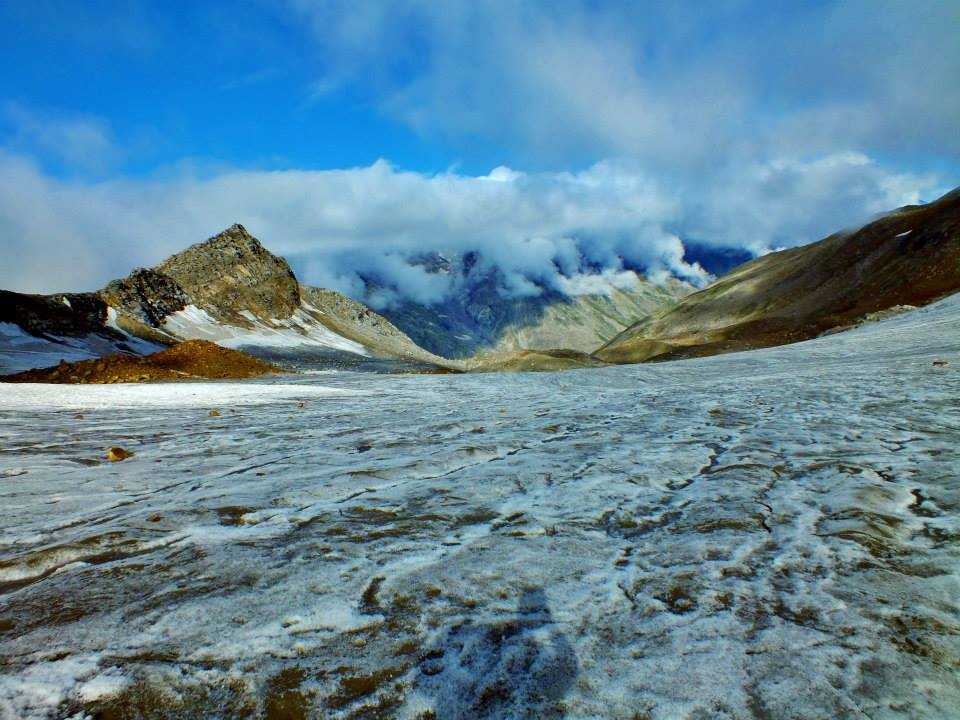
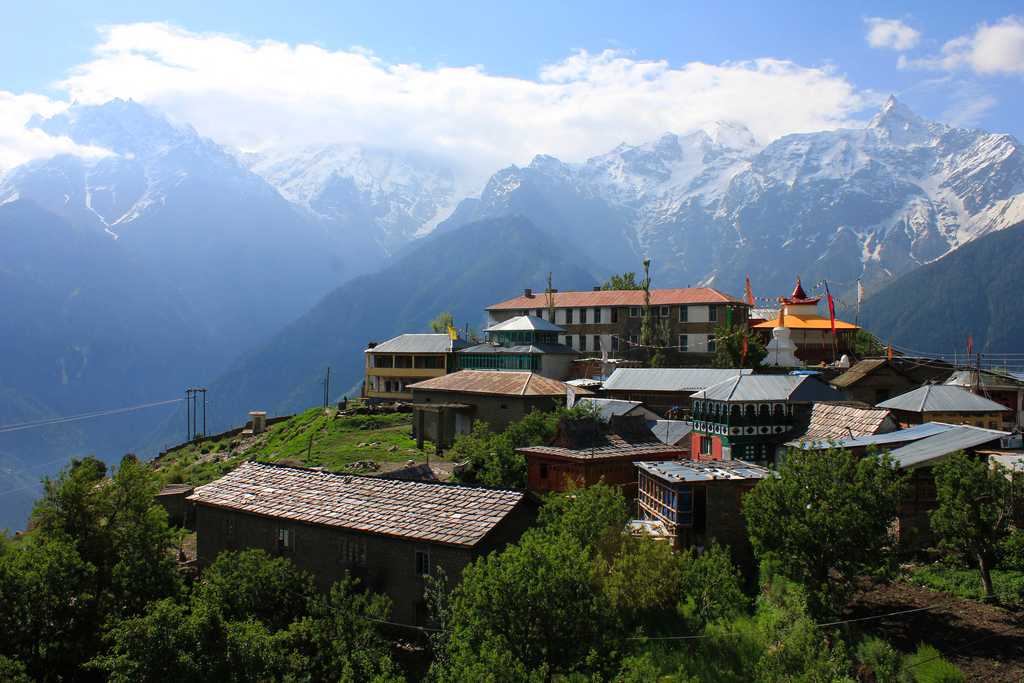
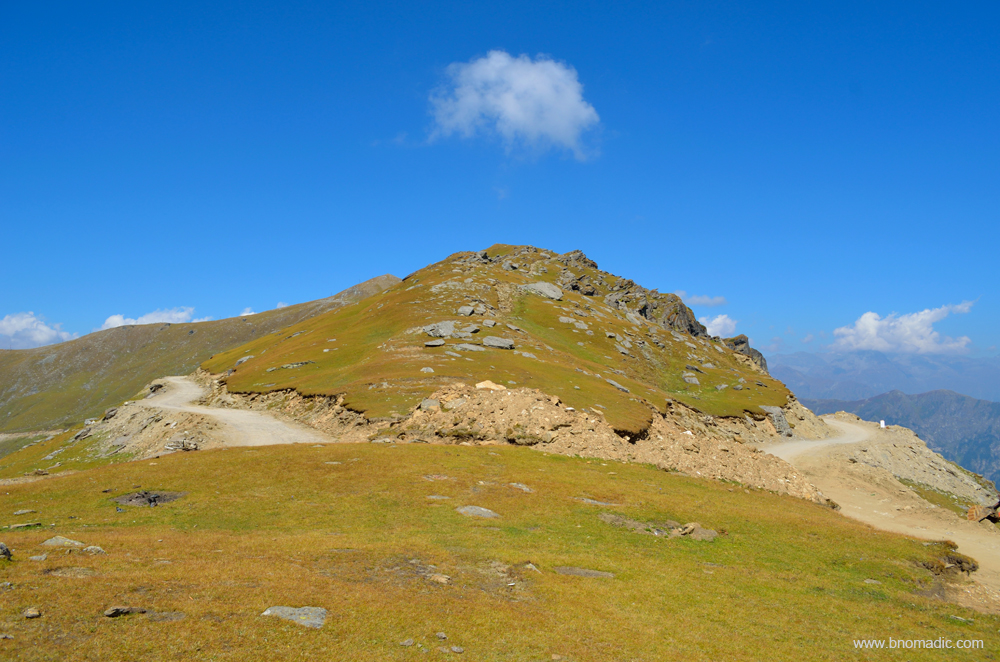
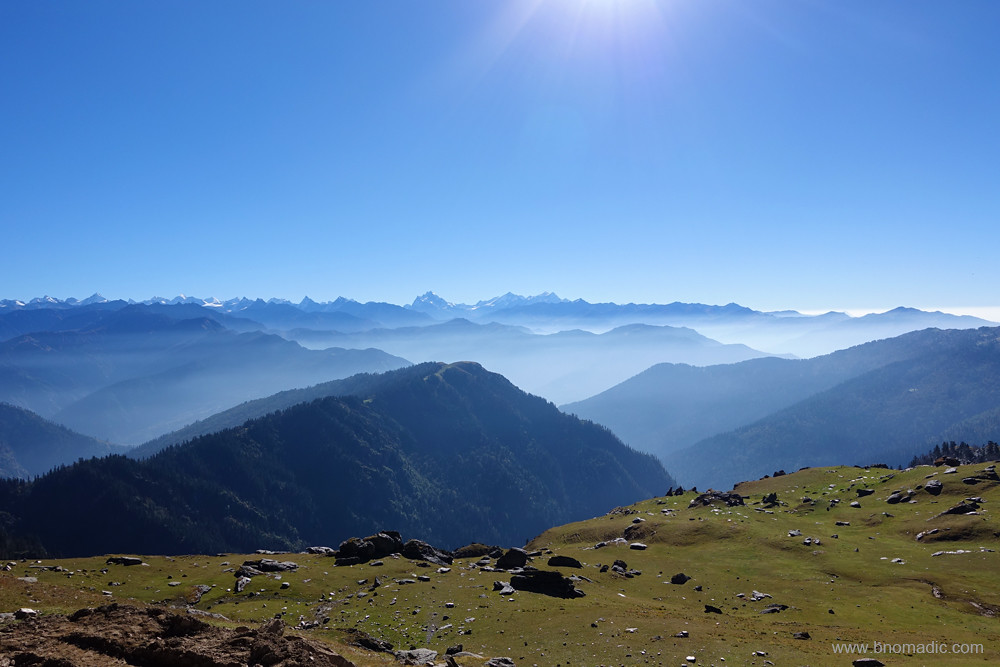
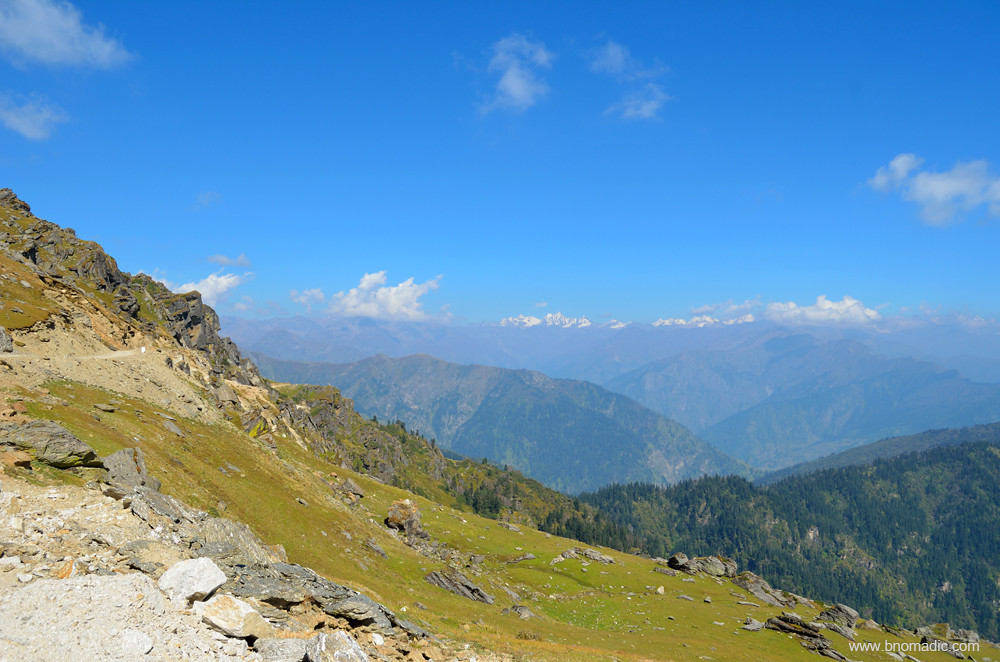
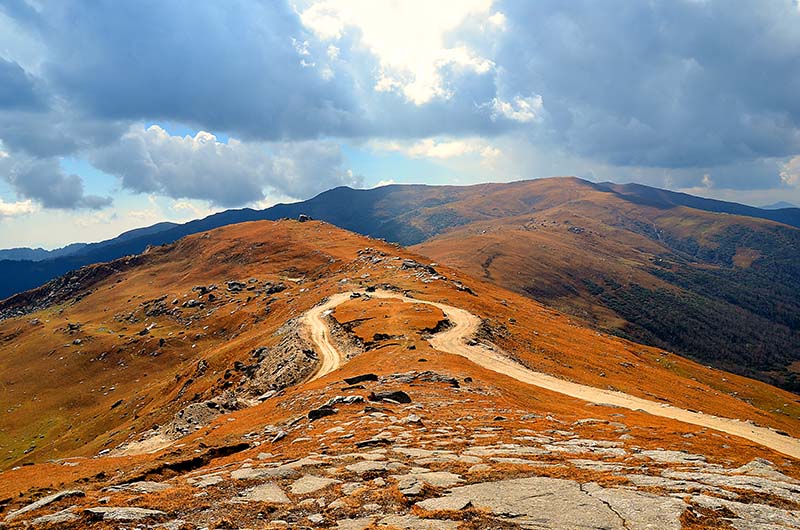
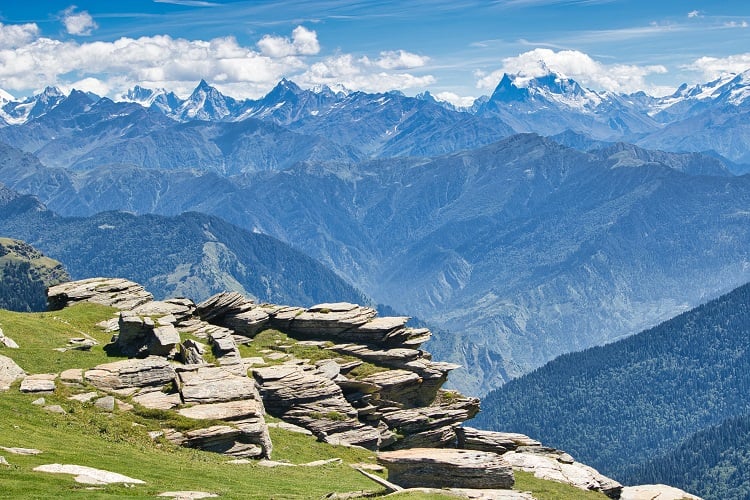
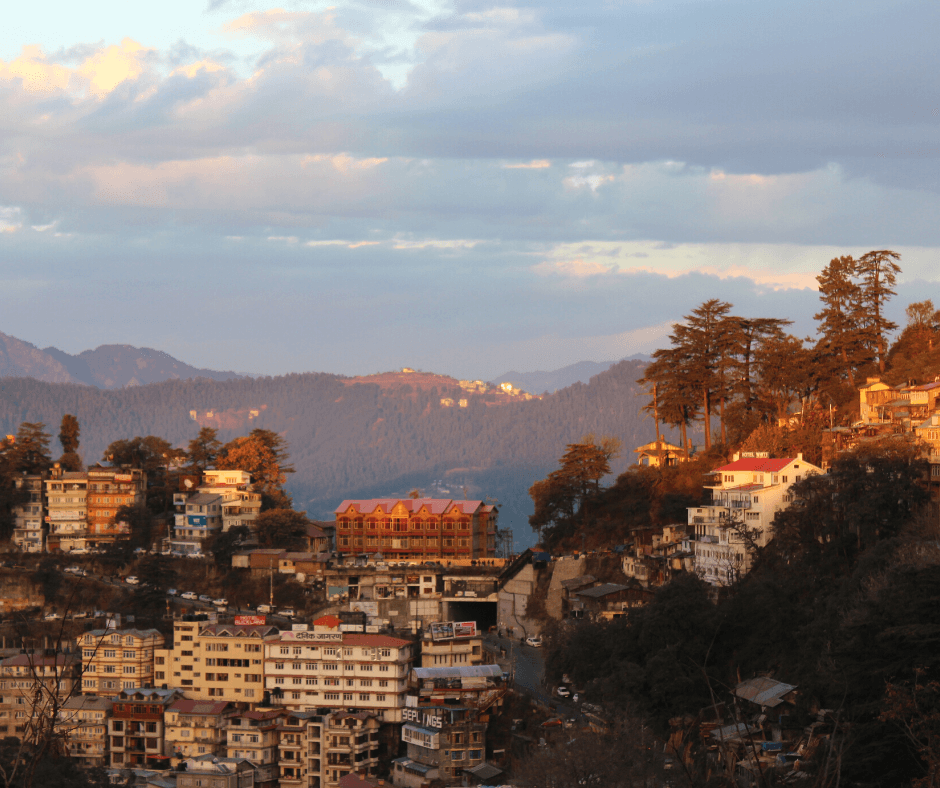
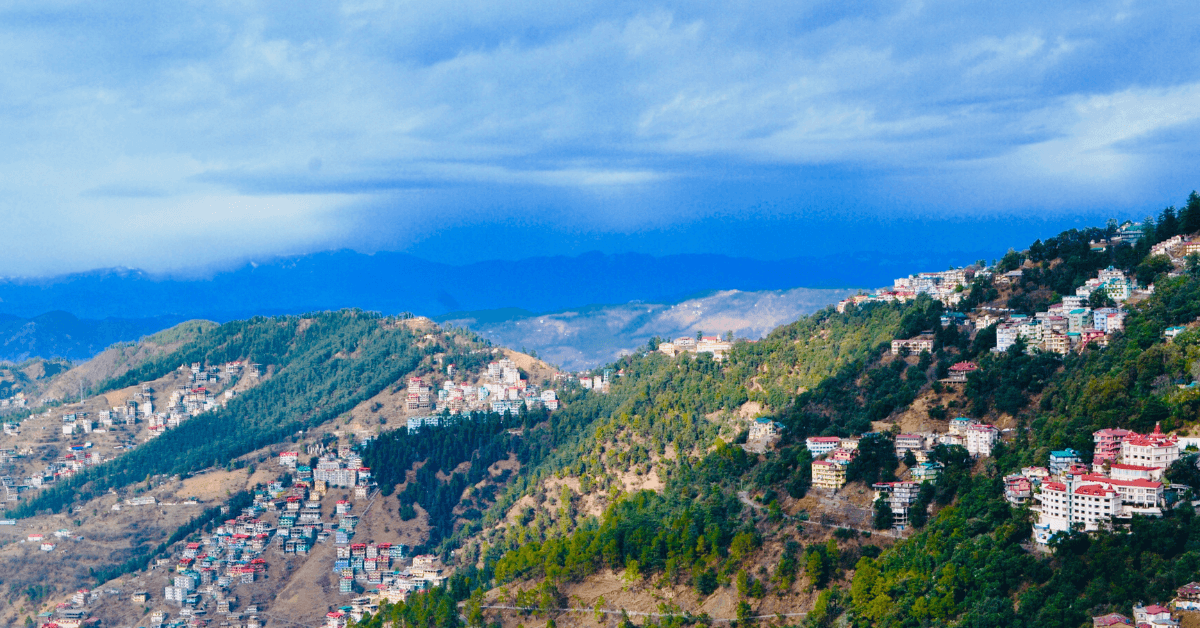
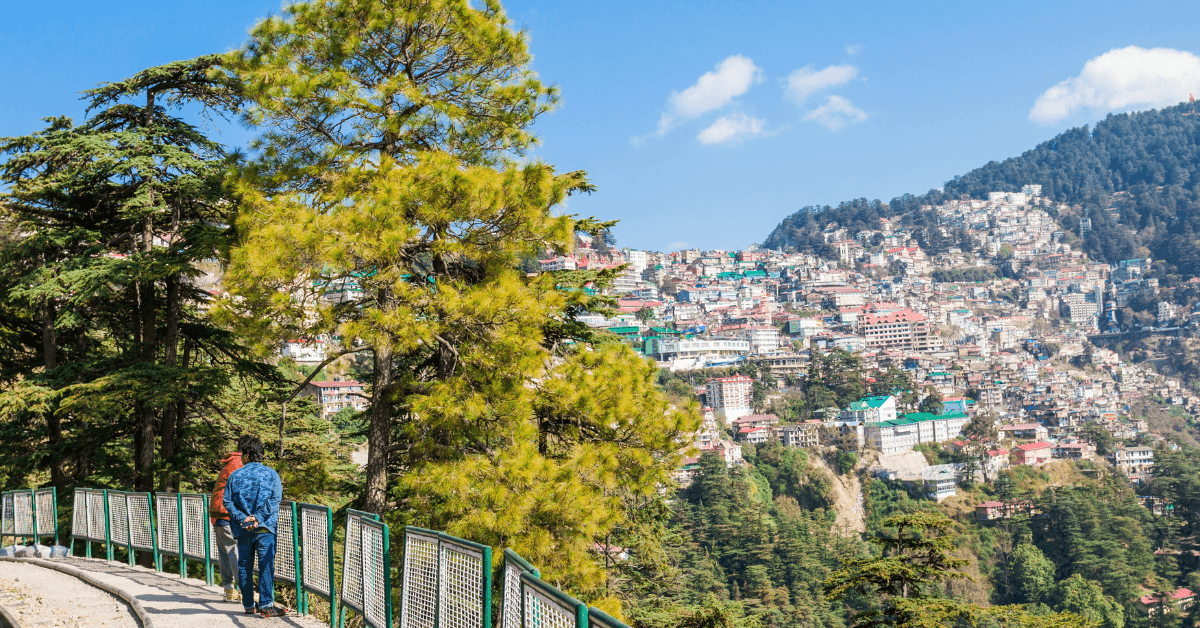
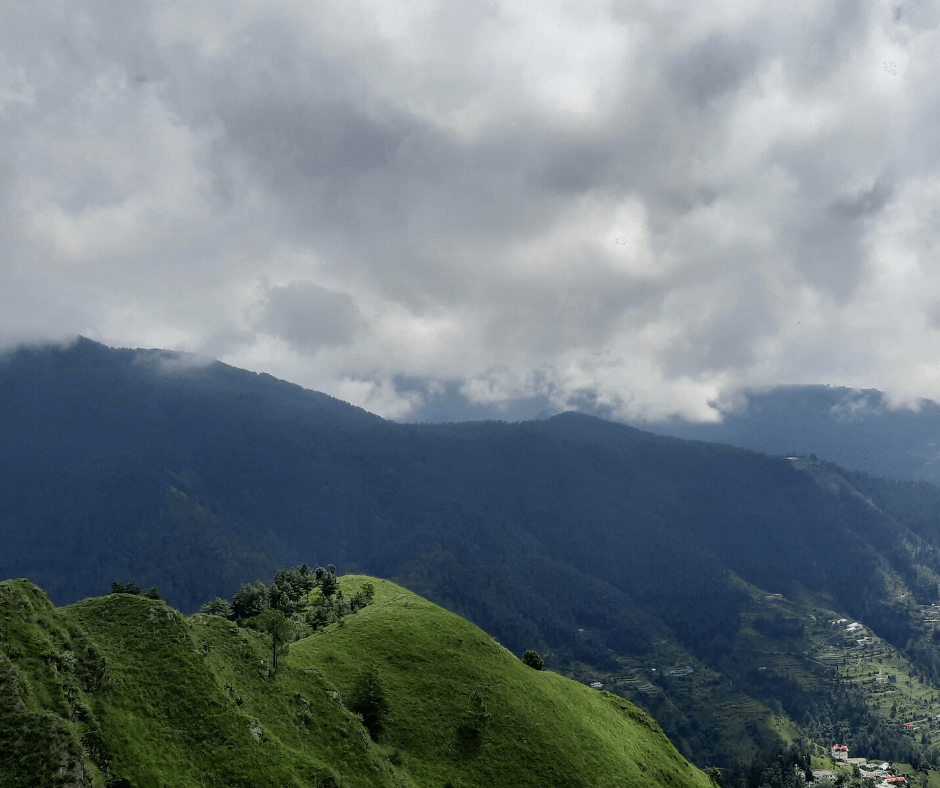
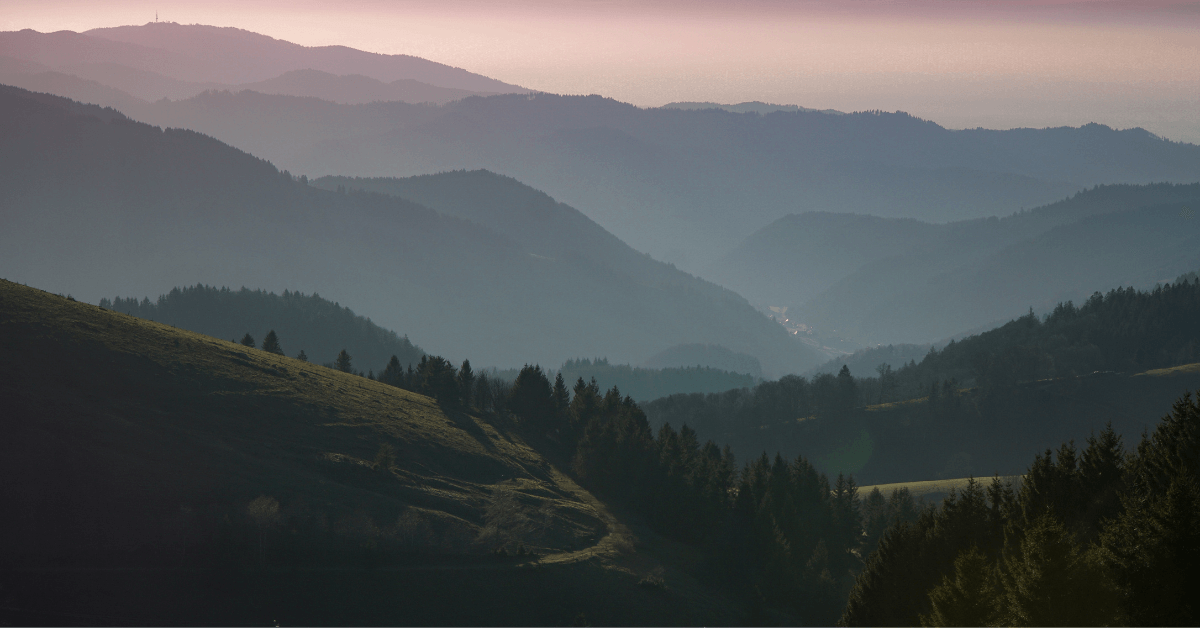
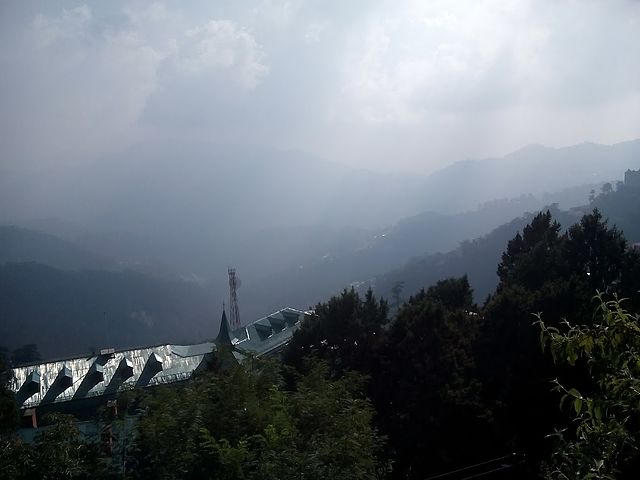
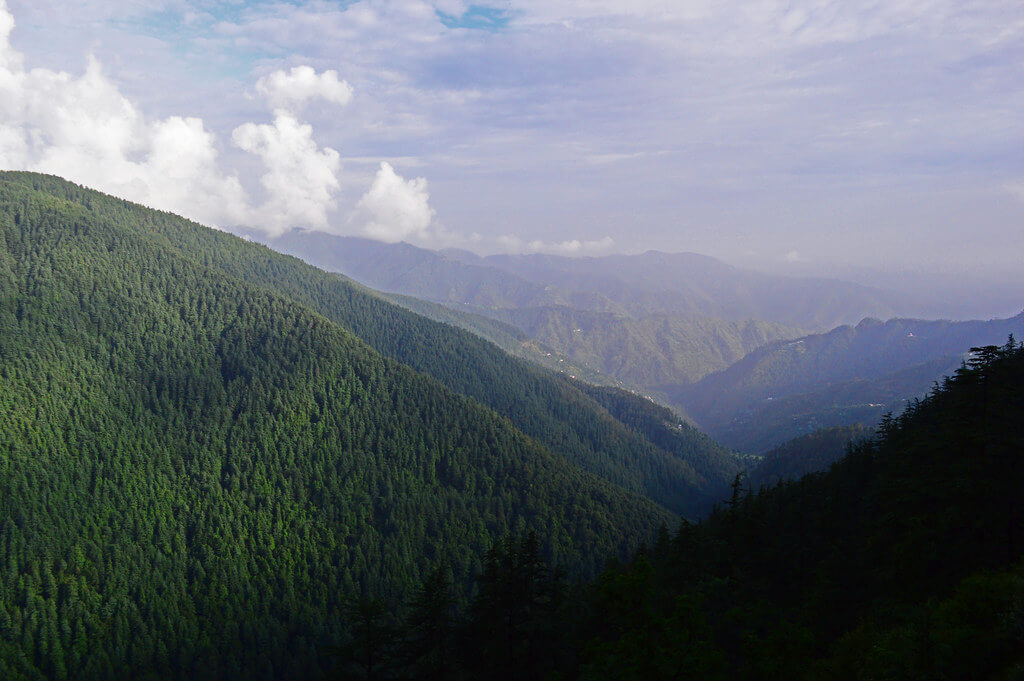
The Mahakala Vajra-bhairava Temple is located in a quiet Himalayan region. Mountains surround the area on all sides. The location feels remote and untouched. That adds to the experience.
Reaching the temple often means leaving busy roads behind. The path feels slower. Views open up as you get closer. Many visitors say the journey prepares the mind.
How to reach the temple
The nearest town usually serves as the base. From there, taxis or local vehicles are used. Roads may be narrow in places. Patience helps during the drive.
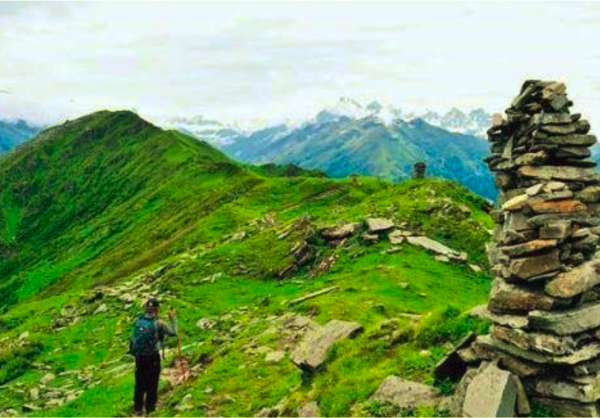
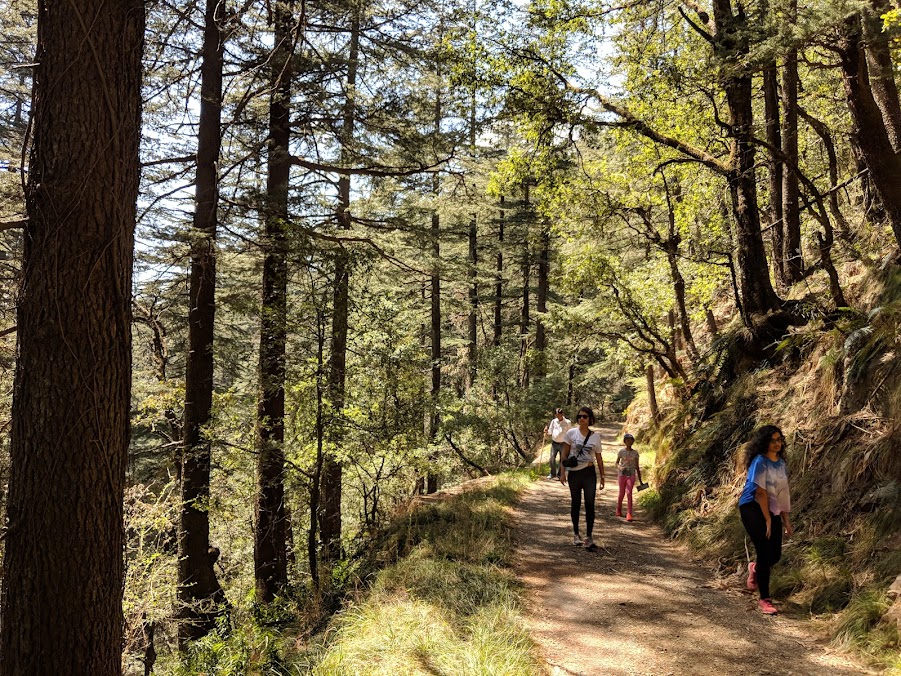
Walking the final stretch is common. The walk is gentle for most people. Take breaks if needed. The calm path adds to the visit.
First look at the temple structure
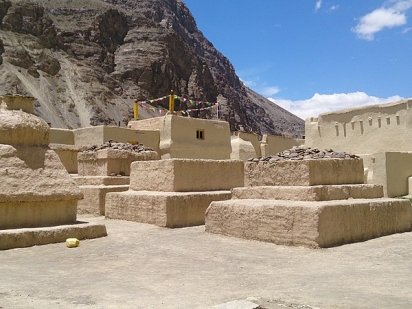
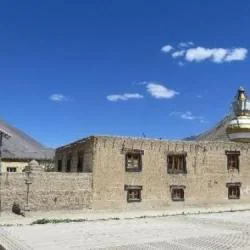
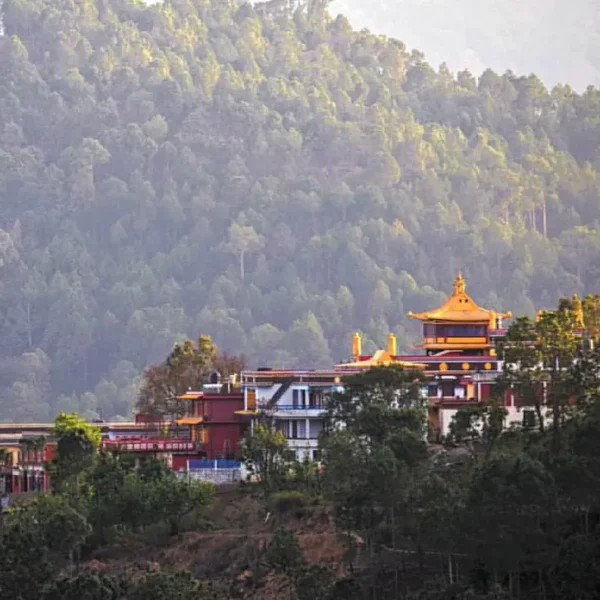
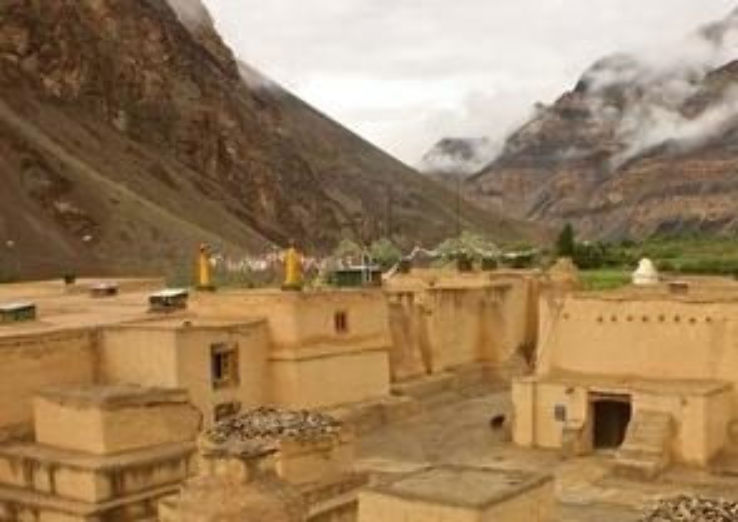
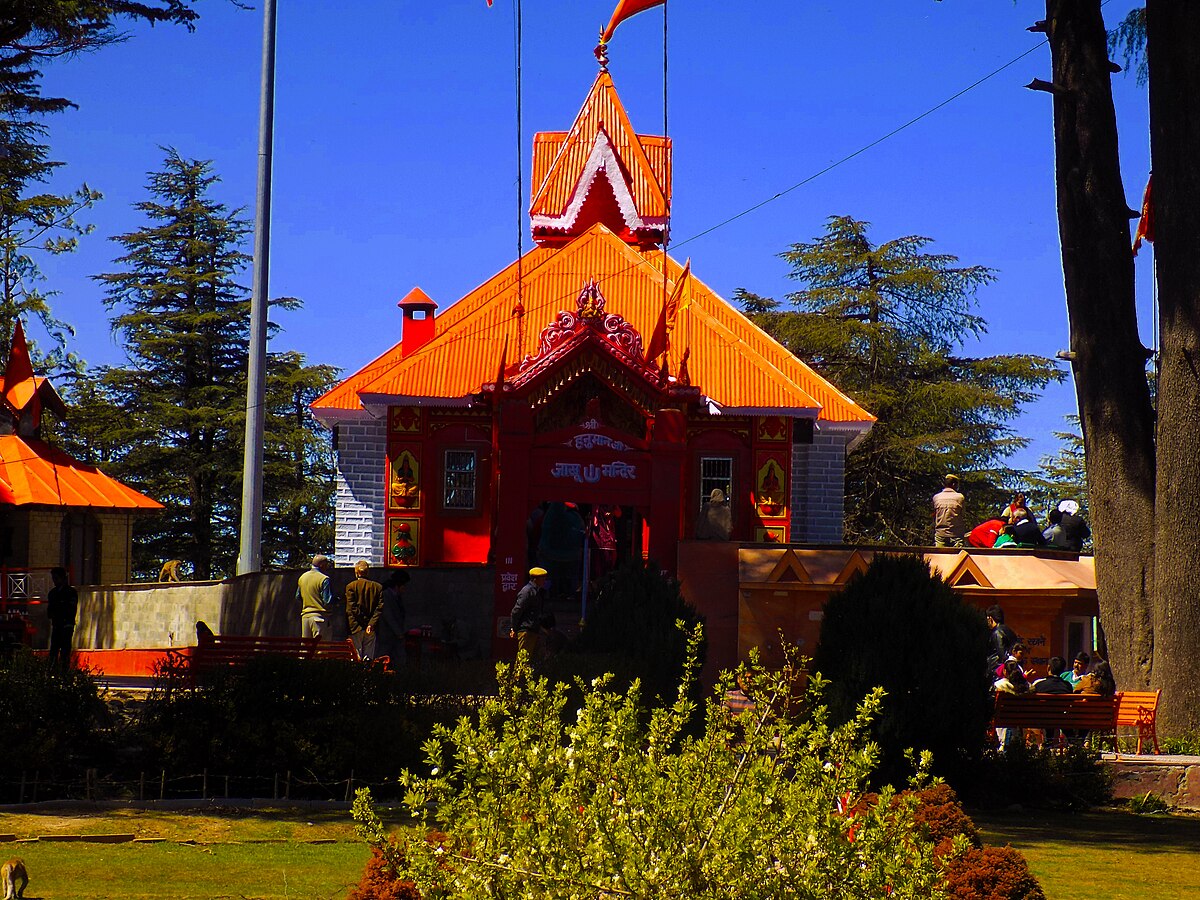
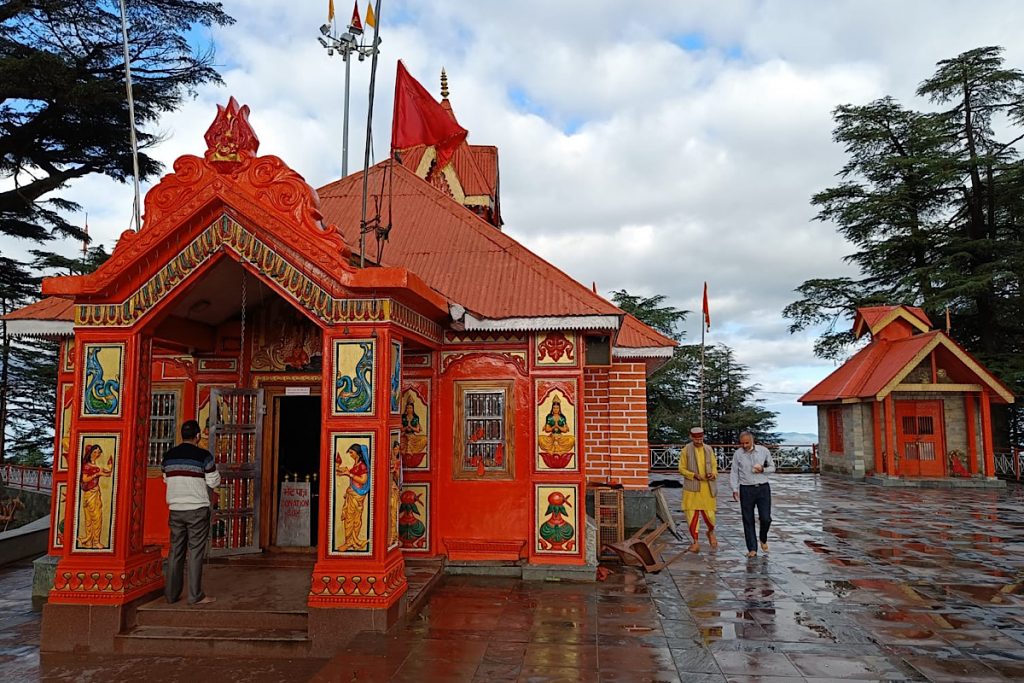
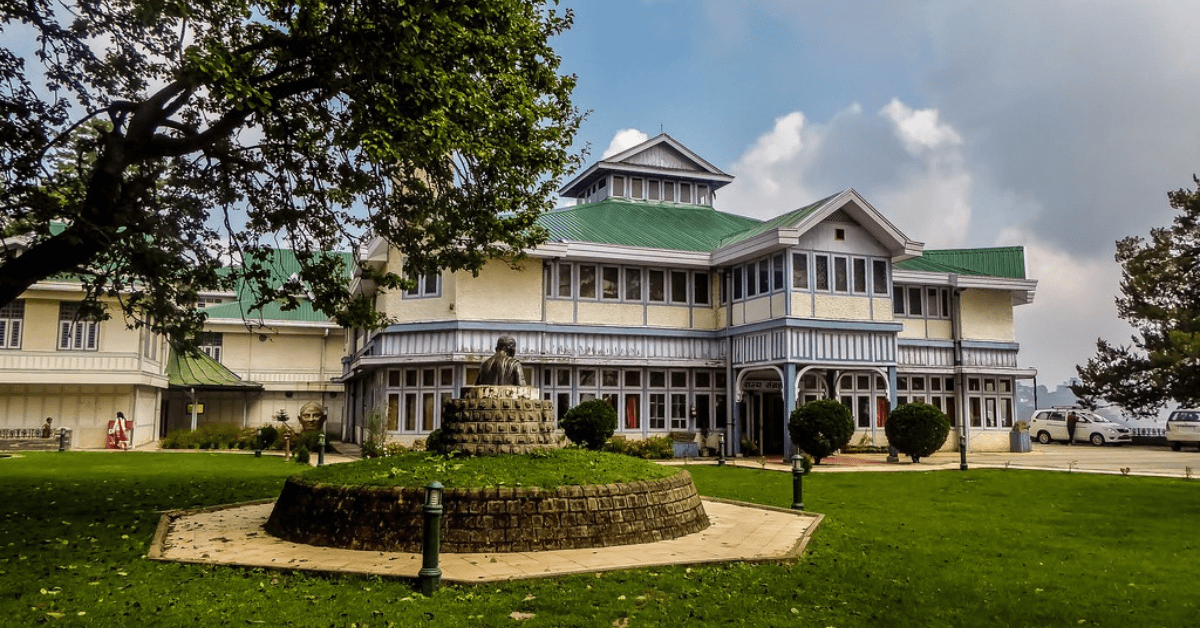
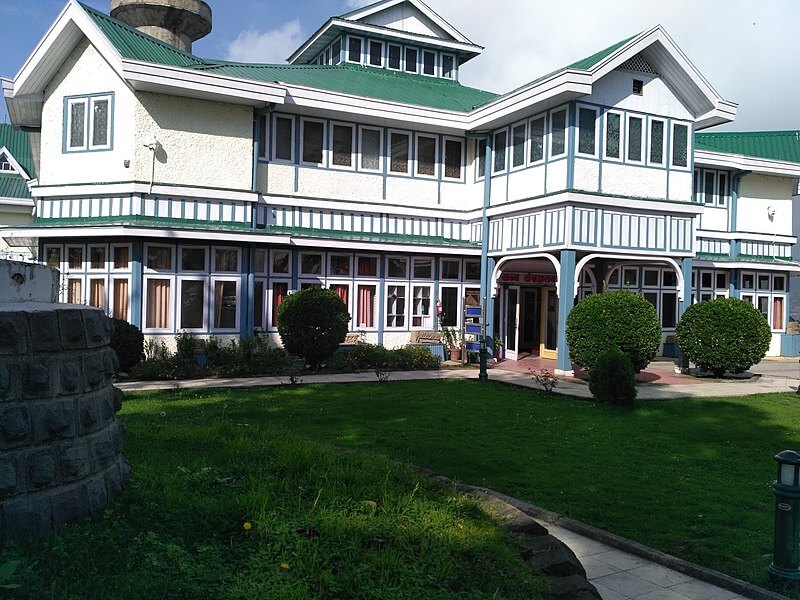
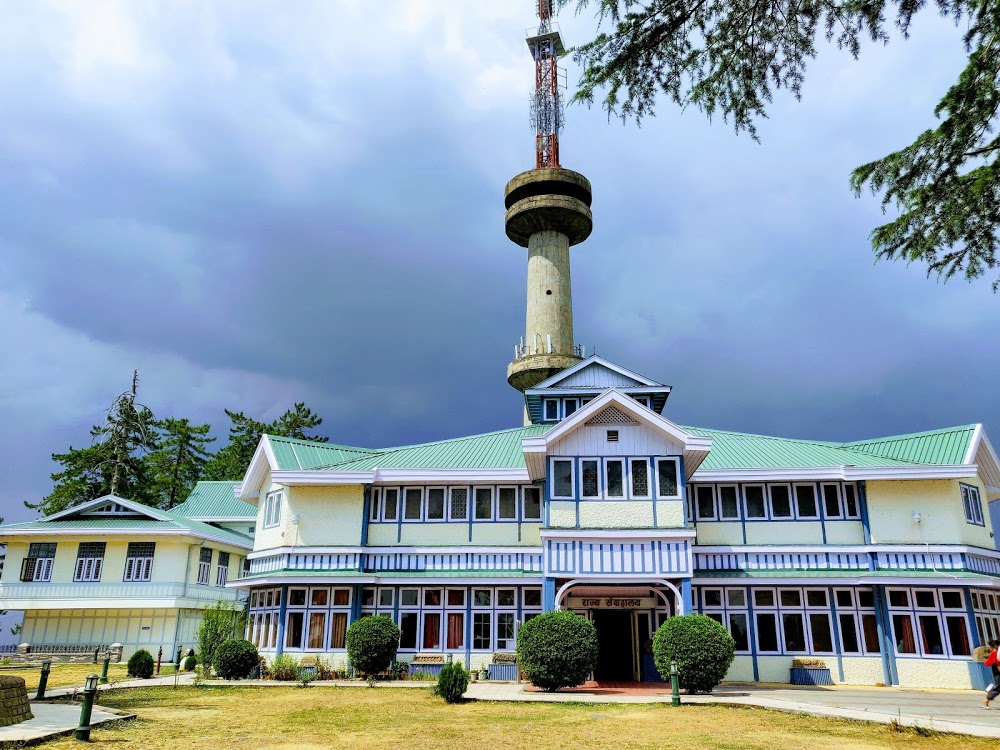
From outside, the temple looks solid and grounded. Walls are strong and built to last. Colors are earthy and warm. The building blends with its surroundings.
Prayer flags are often seen around the temple. They move softly with the wind. Bells may ring lightly. The sound feels comforting.
Temple architectural style
The architectural style follows traditional Tibetan Buddhist design. Thick walls help with cold weather. Flat roofs are common in this region. The structure feels balanced.
Inside spaces are open and clean. Wooden beams support the roof. Floors are kept neat. Everything feels placed with care.
Murals and sacred symbols
Walls inside show detailed paintings. These murals tell stories of Mahakala and Vajra-bhairava. Colors are bold but calm. Each image carries meaning.
Statues stand at the center of prayer halls. Lamps are often lit during rituals. The light reflects off metal surfaces. The glow feels warm and steady.
Daily rituals and prayer time
Monks follow a set routine each day. Morning prayers start early. Chanting fills the halls slowly. Visitors are welcome to observe quietly.
Evening prayers feel softer. The temple becomes quieter. Many people say this is the best time to sit and reflect. Silence feels natural here.
What visitors usually notice
Many visitors talk about the feeling first. It is not about seeing more things. It is about feeling grounded. The space feels protective and calm.
Some people stay longer than planned. Time feels slower here. There is no pressure to rush. That makes the visit special.
Best time of year to visit
The best months to visit are from late spring to early autumn. Roads are open and weather is kinder. Days feel pleasant. Nights can still be cold.
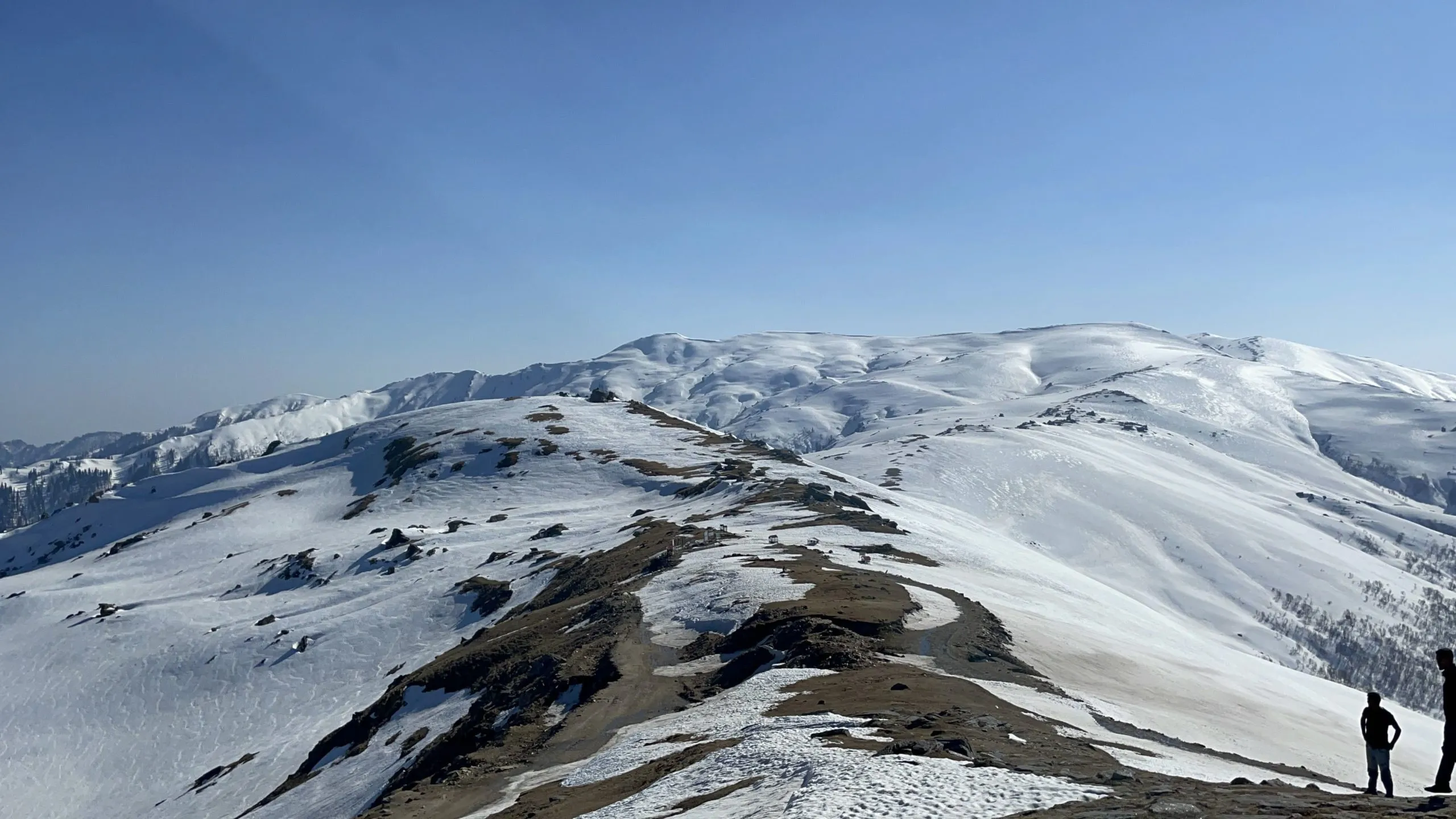
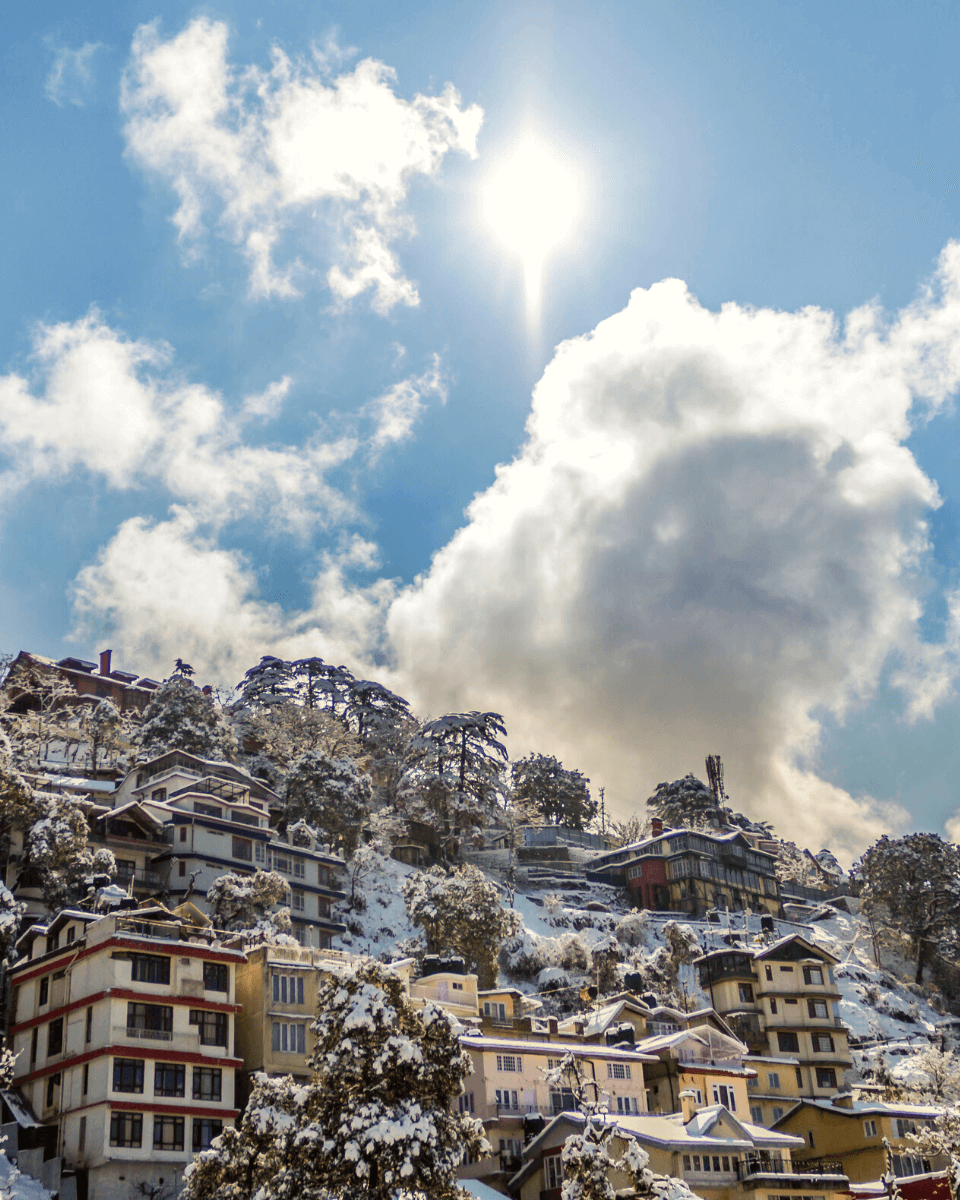
Winter visits are possible but harder. Snow may block roads. Cold can be intense. Only experienced travelers should plan winter trips.
What to wear during your visit
Dress in a respectful way. Long pants are preferred. Sleeves should cover shoulders. Warm layers are useful even in summer.
Shoes must be removed before entering prayer halls. Socks help on cold floors. Comfort matters more than fashion in this place.
How to behave inside the temple
Silence is important inside. Voices should stay low. Phones should be turned off. Movement should be slow.
Photography may be restricted in some areas. Always ask before taking pictures. Respect for the space is expected. Visitors are guided if unsure.
Visiting with family or elders
Families are welcome at the temple. Children should be guided gently. Loud play is avoided. Explaining the space helps them understand.
Elder visitors should take breaks. Seating areas are often available. Walking slowly helps with altitude. Everyone should move at their own pace.
Health and altitude care
The temple is located at high altitude. New visitors should rest on arrival. Drink water often. Avoid rushing.
Mild headaches can happen. This is normal for some people. Rest usually helps. If symptoms worsen, seek help nearby.
Food and stay options nearby
Small guesthouses and homestays are available in nearby towns. Rooms are basic but warm. Meals are simple and filling. Local food suits the climate.
Eating before visiting the temple is best. Food is not allowed inside. Carry snacks if needed. Keep waste with you.
Festivals and special days
During certain festivals, the temple becomes lively. Special prayers are held. Locals gather in traditional clothing. Chanting fills the air.
These days offer a deeper look into culture. Visitors are welcome to watch. Participation is quiet and respectful. It is a meaningful experience.
Travel tips for first time visitors
Start your day early. Mornings feel calm and clear. Weather changes quickly in the mountains. Carry warm clothing.
Keep plans flexible. Roads may close suddenly. Local advice is helpful. Asking politely goes a long way.
Why people remember this temple
People often leave feeling calm and steady. The memory stays strong. The place feels protective. It offers more than views.
The Mahakala Vajra-bhairava Temple does not demand attention. It gives space instead. That is why people remember it. The feeling stays long after the visit ends.