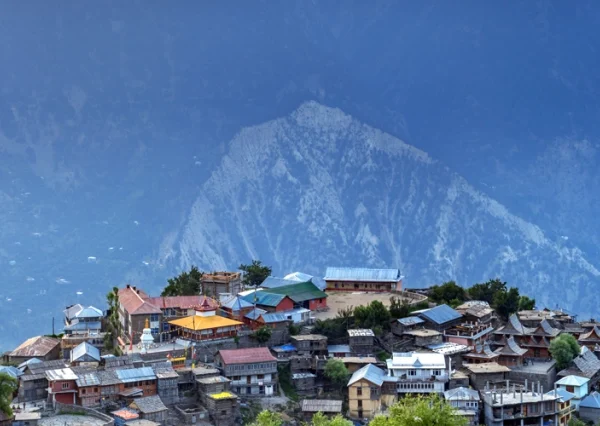
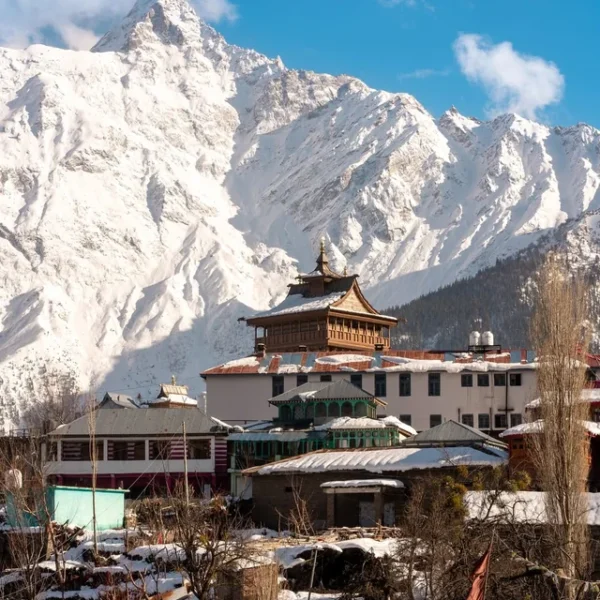
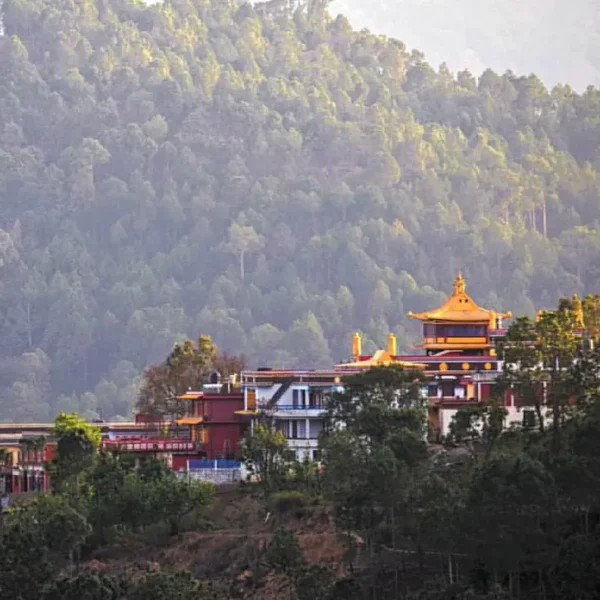
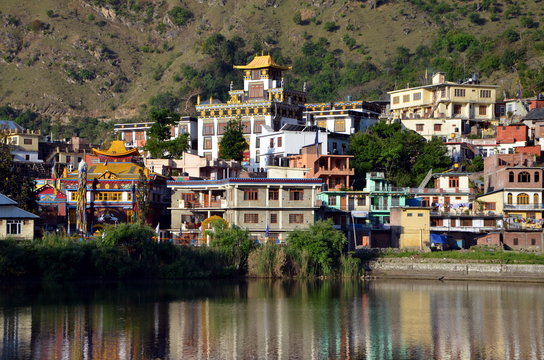
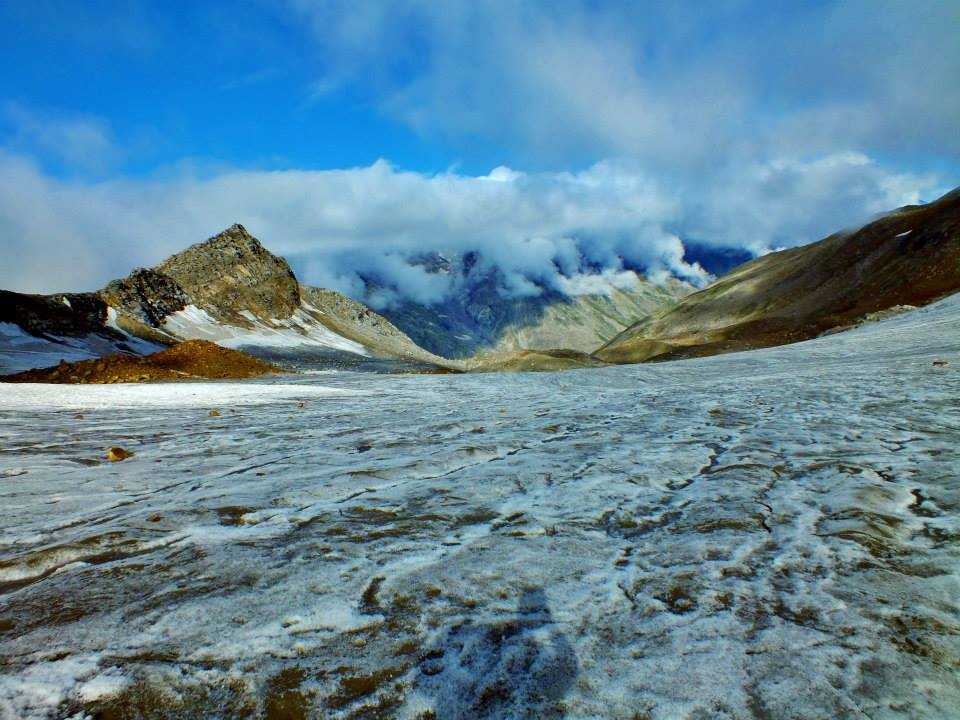
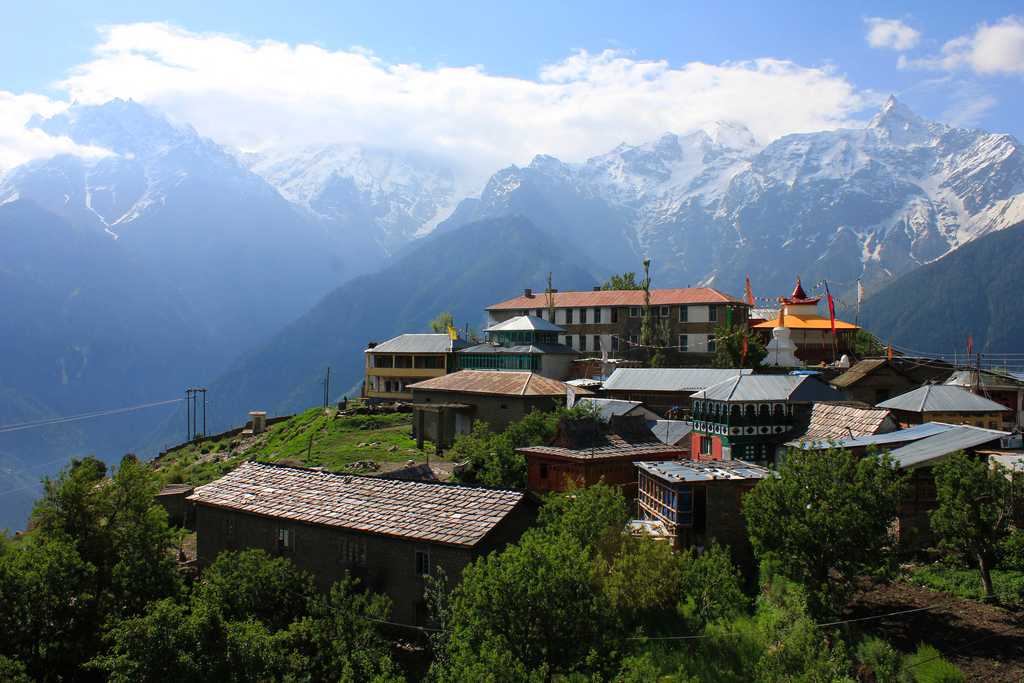
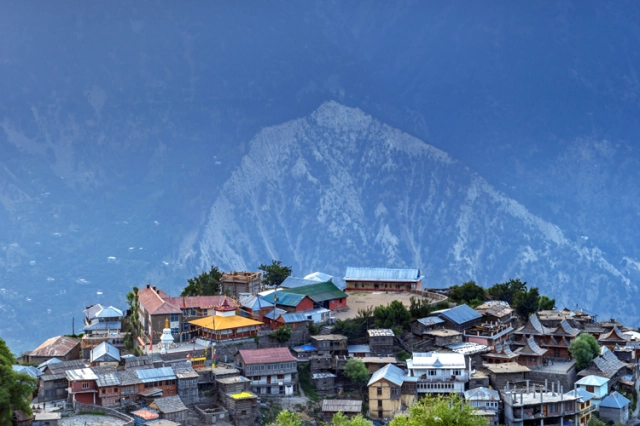
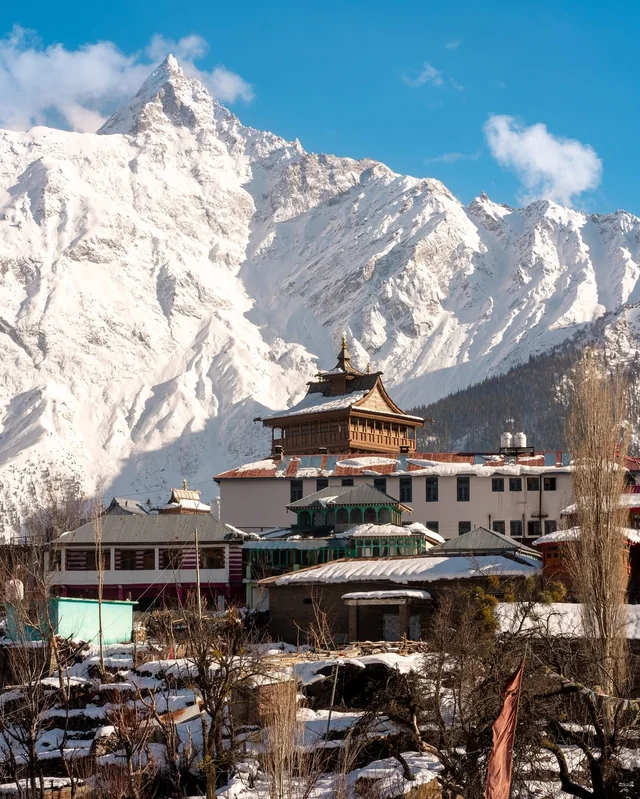
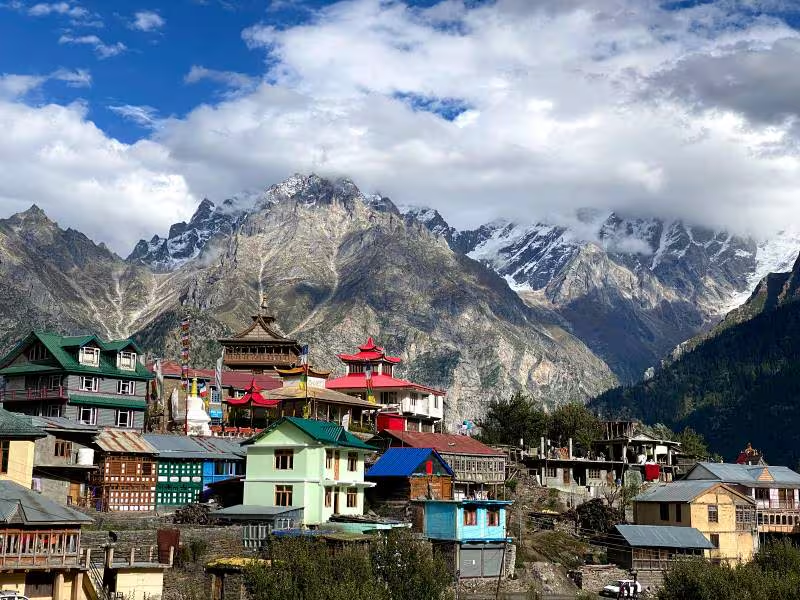
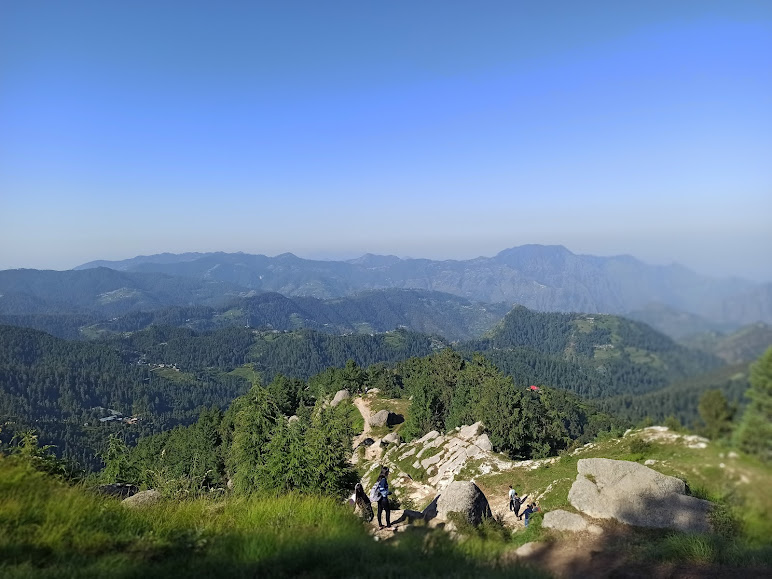
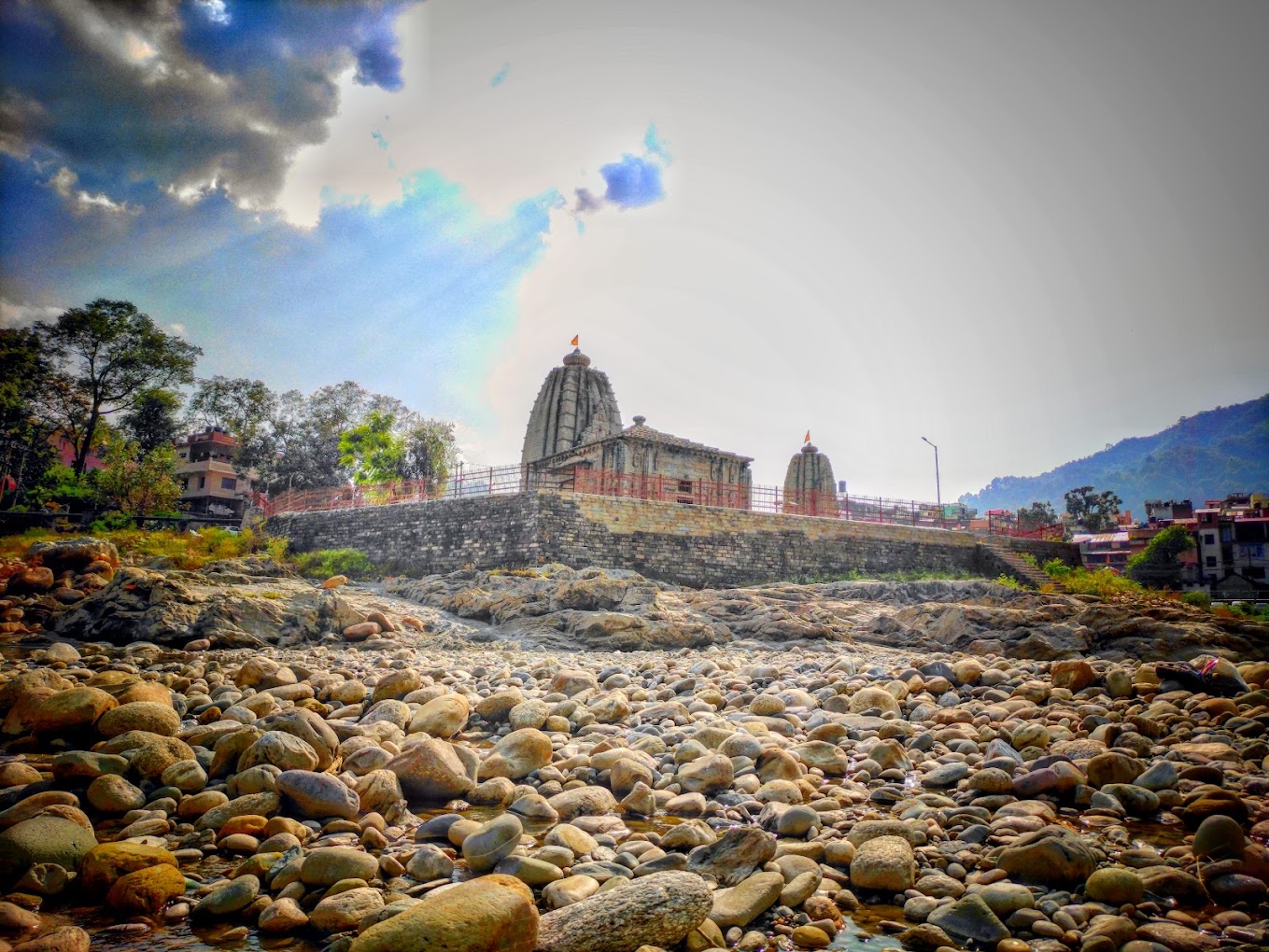
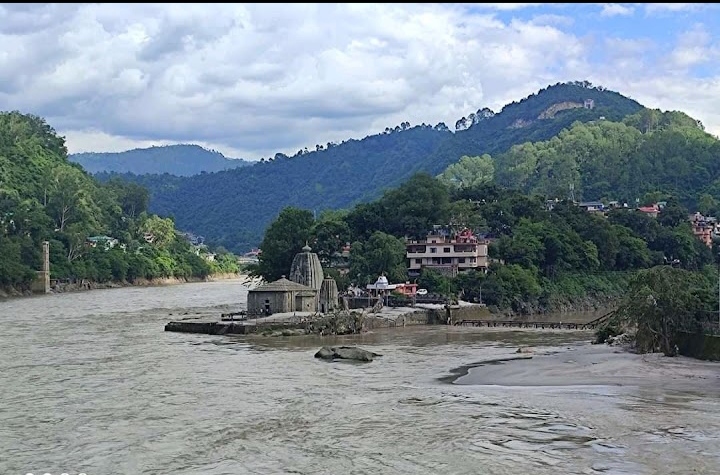
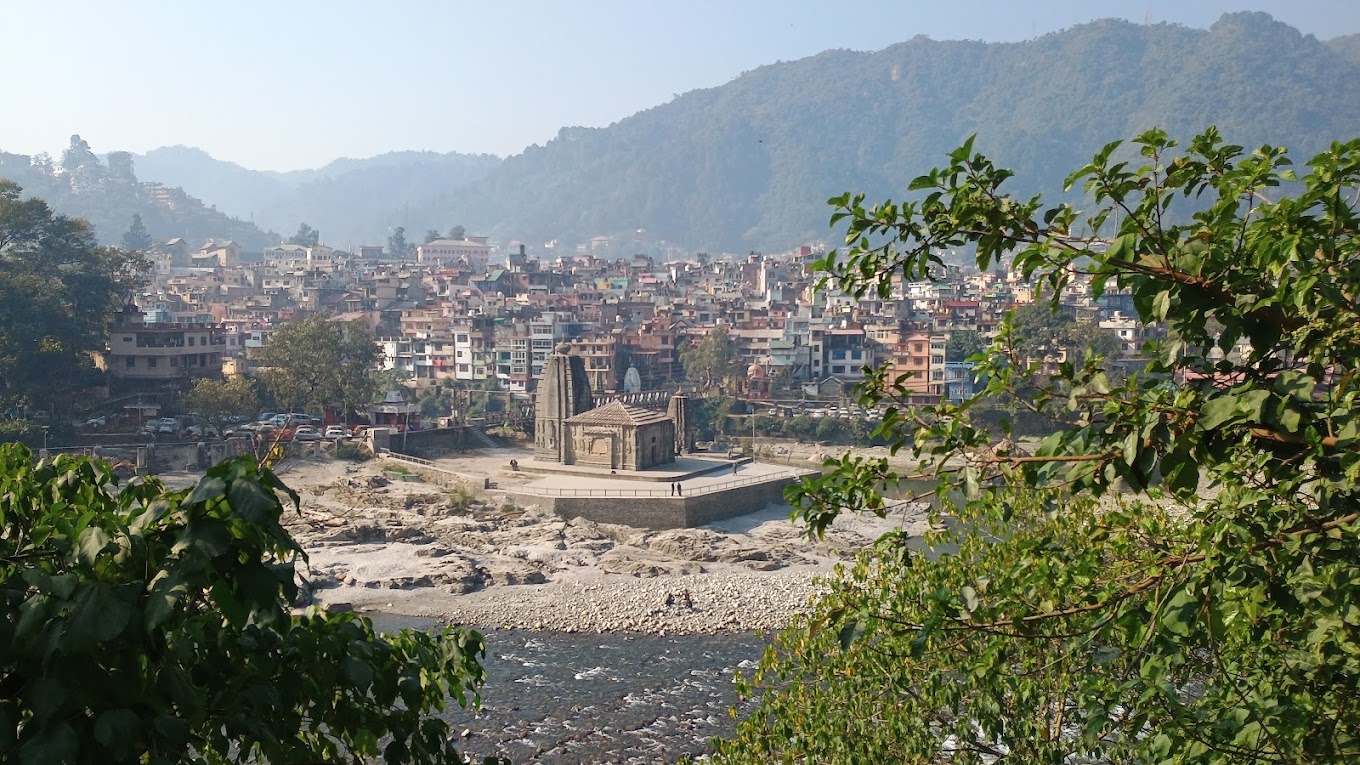
Narayan-Nagini Temple is a beautiful and peaceful temple in Kalpa village in the Kinnaur district of Himachal Pradesh. It sits quietly on a hillside with huge mountains in the background. The view from here is simply stunning. Snow covered peaks of the Kinner Kailash range rise right in front of you. The air feels fresh, cool, and very pure. When you stand here, it feels like the noise of the world has disappeared.
This temple is not crowded like famous tourist places. It feels calm, sacred, and very traditional. Local people visit regularly to pray and offer respect. Travelers come for both spiritual reasons and natural beauty. Even if you are not religious, the place feels peaceful and grounding. It is one of those spots where you naturally slow down and just look around.
Location and How to Reach
Narayan-Nagini Temple is located in Kalpa, a small town above Reckong Peo in Kinnaur. The nearest major airport is in Shimla, but most people reach by road. From Shimla, the drive takes several hours through mountains and valleys. The journey is long but extremely scenic. You will see rivers, cliffs, forests, and small villages along the way.
If you are coming from Delhi, you can first reach Shimla by bus, train, or car. From Shimla, buses and taxis go toward Reckong Peo. Once you reach Reckong Peo, Kalpa is only a short drive uphill. Local taxis are easily available for this part of the journey.
The road to Kalpa is narrow but well used. Traveling during daylight is safer because mountain roads can feel tricky at night. Starting early in the morning helps you enjoy the views and avoid delays. The journey itself becomes part of the adventure.
First Impressions
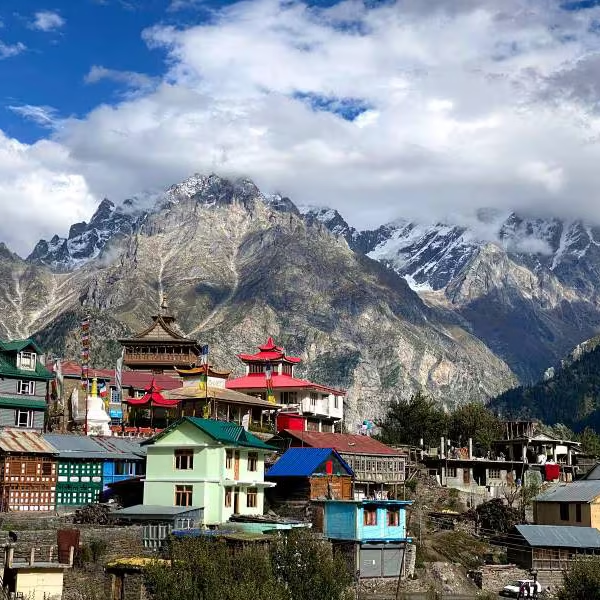
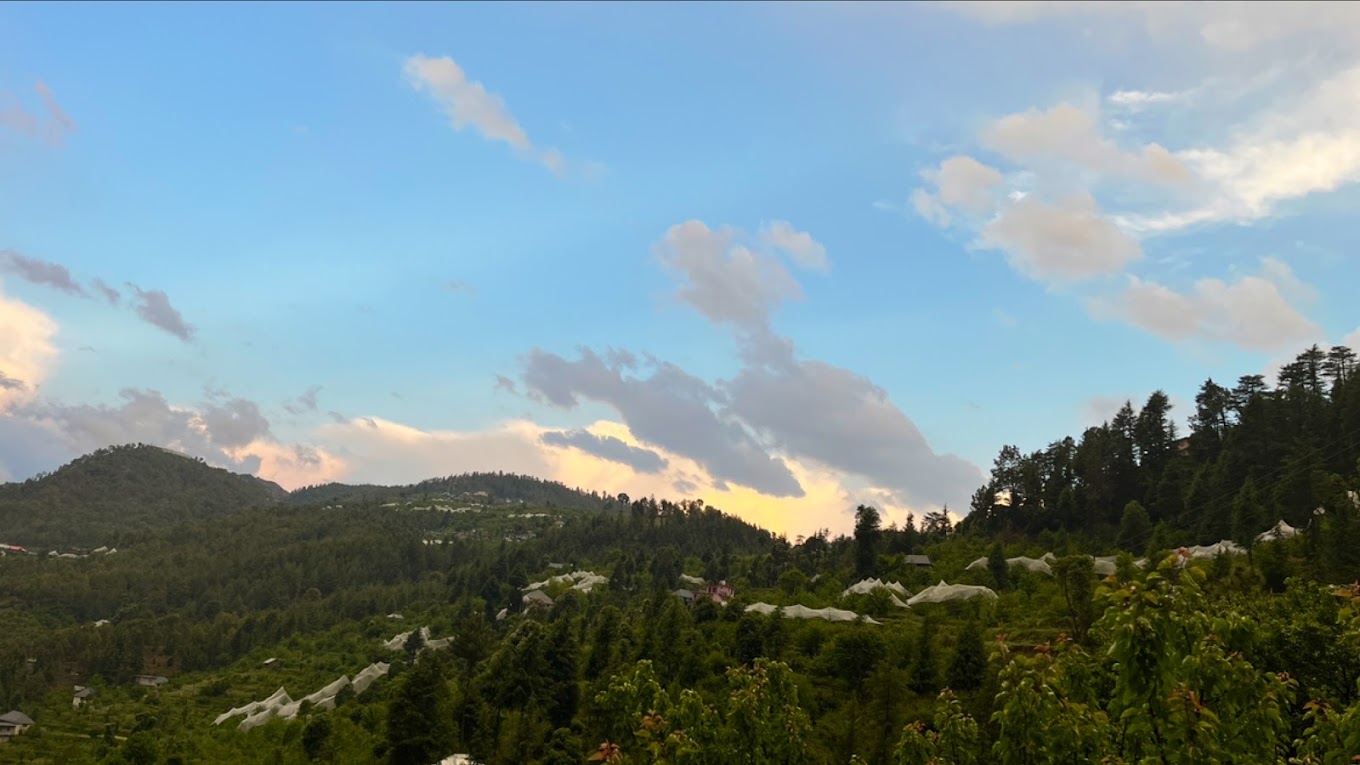
As you enter Kalpa village, you will notice traditional wooden houses and apple orchards. The temple stands quietly among them. Tall trees surround the complex, adding to the peaceful feeling. The snow peaks behind the temple create a dramatic backdrop. Many visitors spend time simply taking photos and enjoying the view.
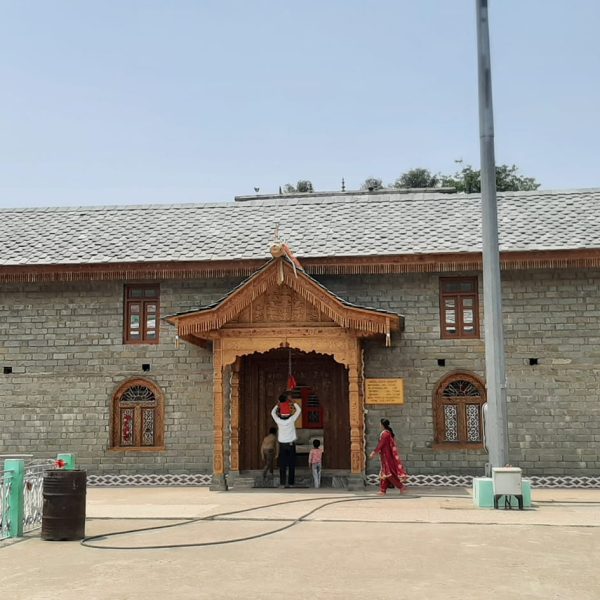
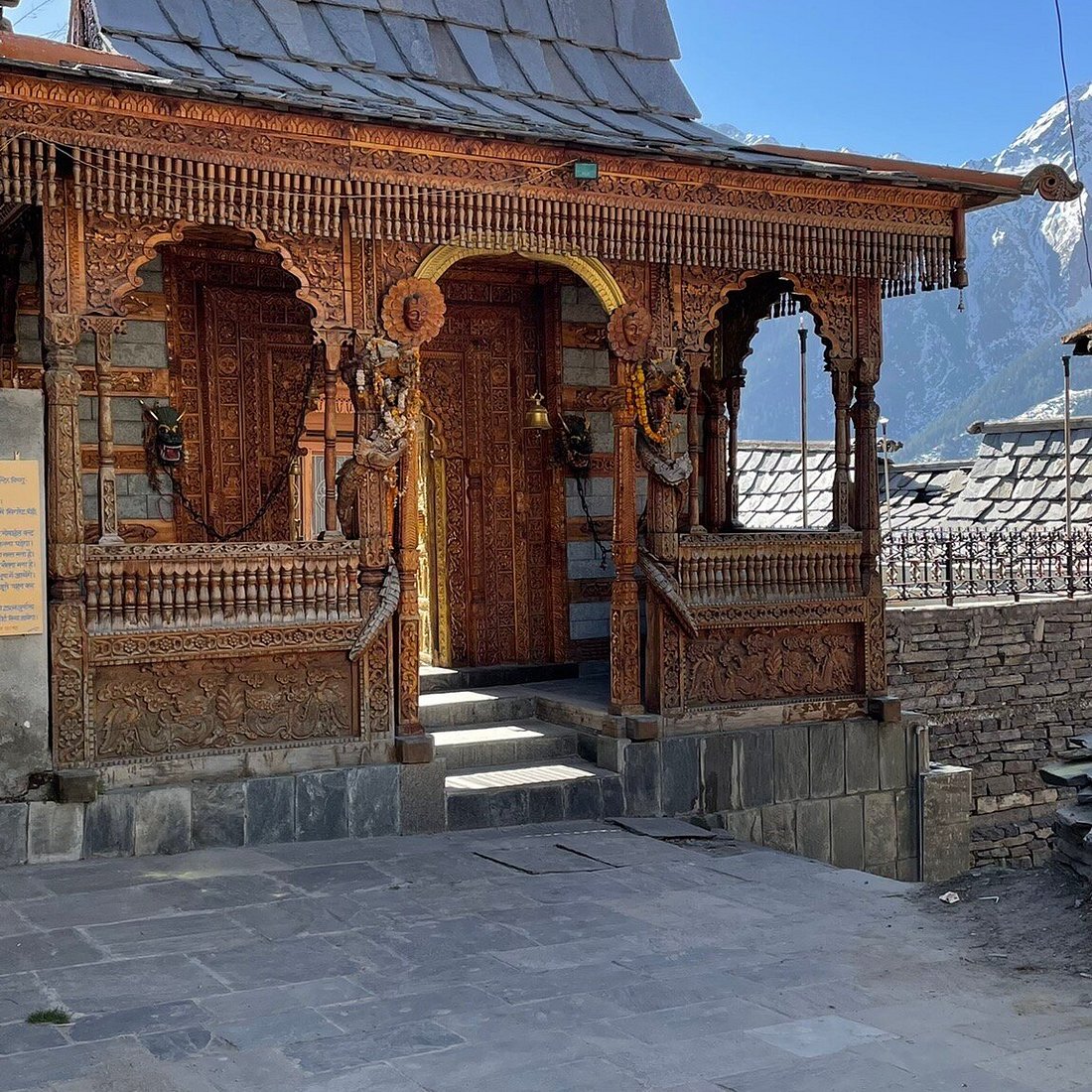
The temple courtyard feels calm and clean. Prayer flags flutter gently in the wind. Bells and wooden structures give the place a traditional Himalayan look. There is no rush here. You can sit, walk slowly, or just stand quietly and absorb the atmosphere.
History of the Temple
Narayan-Nagini Temple is dedicated to Lord Vishnu in his Narayan form and to the serpent deity Nagini. Local belief says these deities protect the village and surrounding lands. The temple has been important to the community for many generations. It represents both Hindu and local spiritual traditions.
Stories say the temple was built using traditional methods without modern tools. Over time, it has been repaired and maintained by villagers. Festivals and rituals are still held here regularly. These events bring the whole community together. The temple is not just a place of worship but a center of local life.
Architecture and Sacred Art
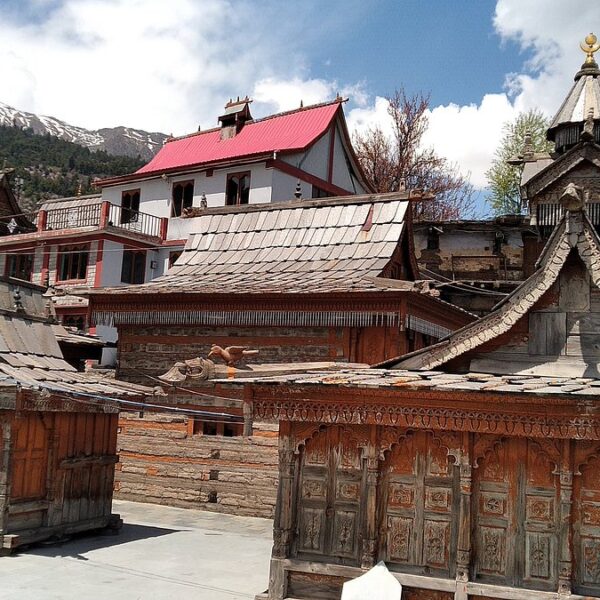
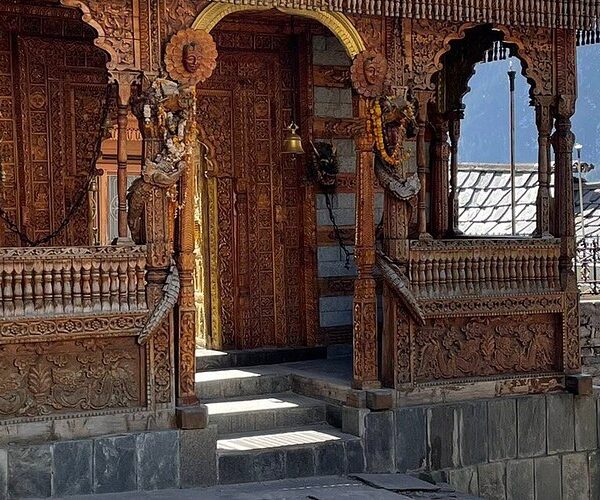
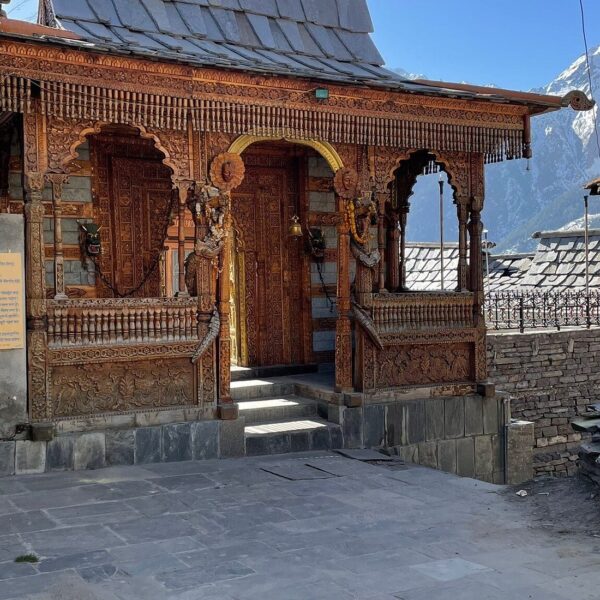
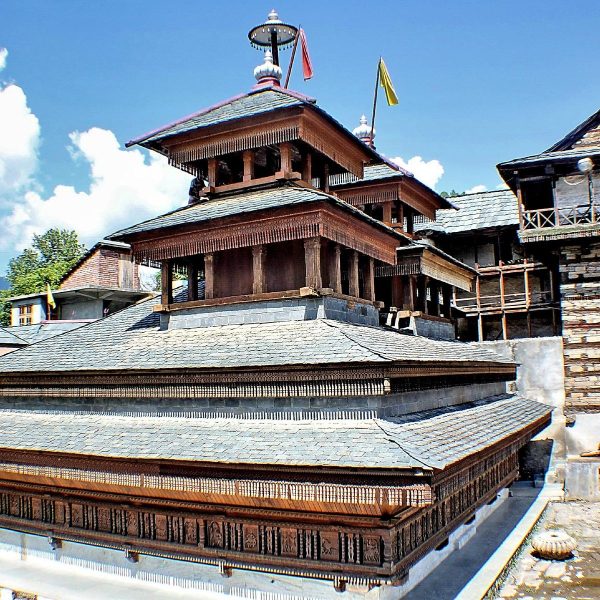
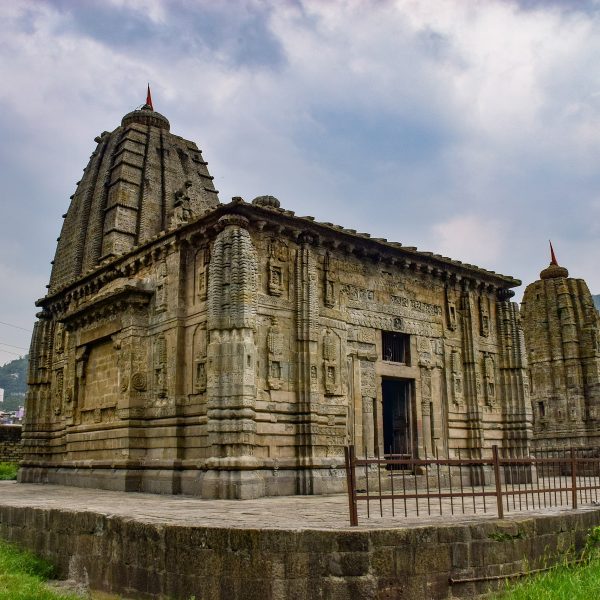
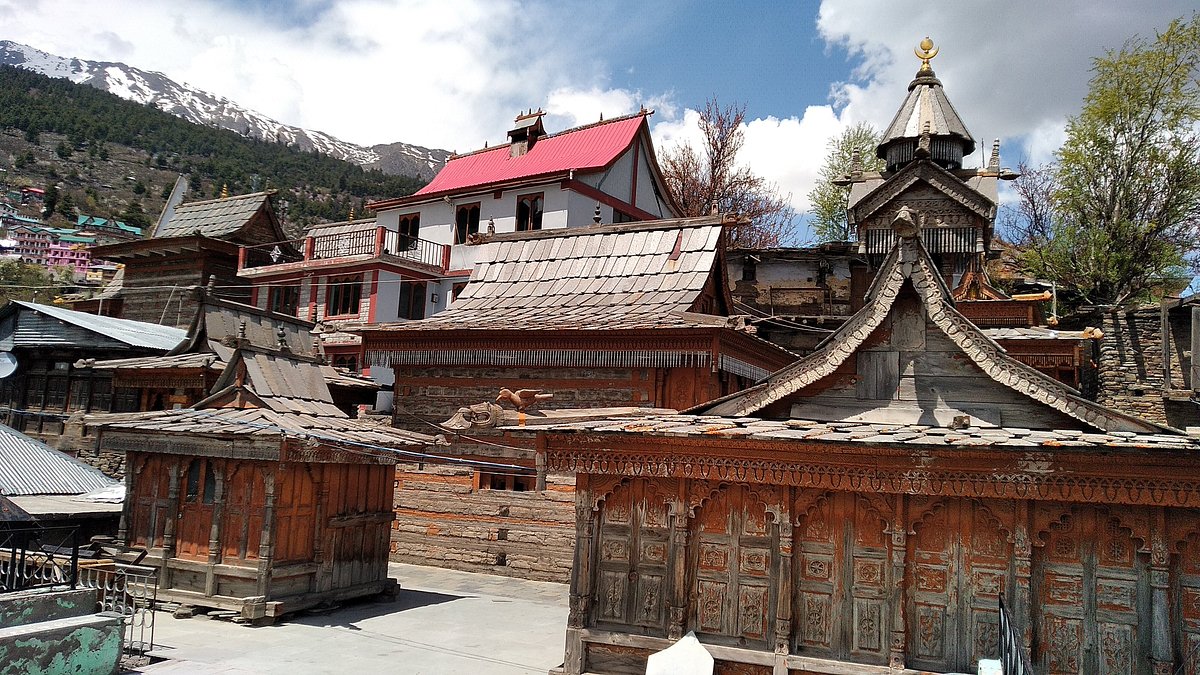
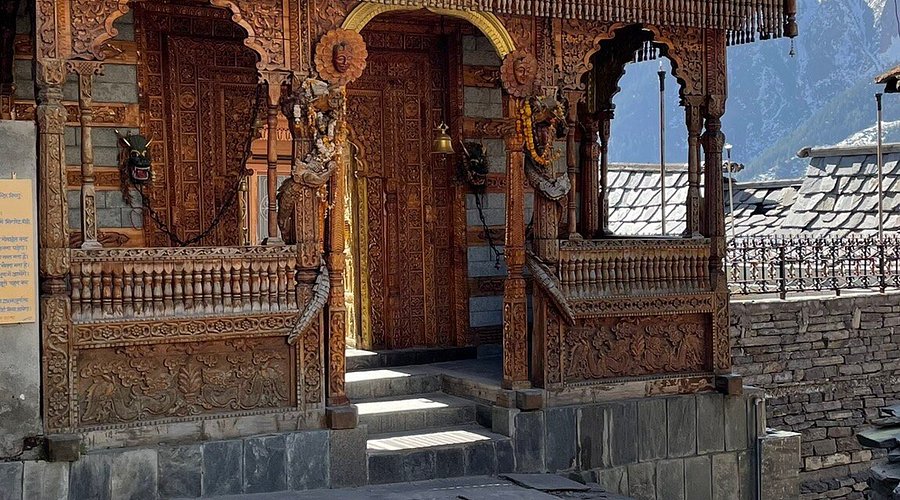
The temple is a wonderful example of traditional Kinnauri architecture. It is built mainly from wood and stone, which helps it survive harsh winters. The design looks simple at first but is full of fine details. Wooden carvings decorate doors, windows, and pillars. These carvings show animals, flowers, and religious symbols.
The sloping roof is designed to handle heavy snowfall. Inside the temple, sacred objects and images are carefully preserved. The atmosphere feels warm and quiet. Soft light enters through small openings, creating a peaceful mood.
Visitors are usually not allowed inside the inner sanctum. This rule is followed to protect the sacred space. You can still walk around the temple and appreciate its beauty. The outer area itself feels deeply spiritual.
Religious Significance
For local people, this temple is extremely important. They believe Narayan and Nagini protect them from harm and bring prosperity. Special prayers are offered during festivals and important occasions. Villagers gather in traditional dress and perform rituals together.
Even on normal days, you may see people offering flowers or lighting lamps. The devotion feels sincere and simple. Visitors are welcome but should behave respectfully. Loud talking or disruptive behavior is not appropriate here.
Many travelers say they feel a strong sense of calm while standing near the temple. The combination of faith, nature, and silence creates a powerful experience. It is a place where you can reflect quietly.
Best Time to Visit
The best time to visit Narayan-Nagini Temple is from May to October. During these months, the weather is pleasant and roads are open. Days are comfortable for walking and sightseeing. The sky is usually clear, offering amazing mountain views.
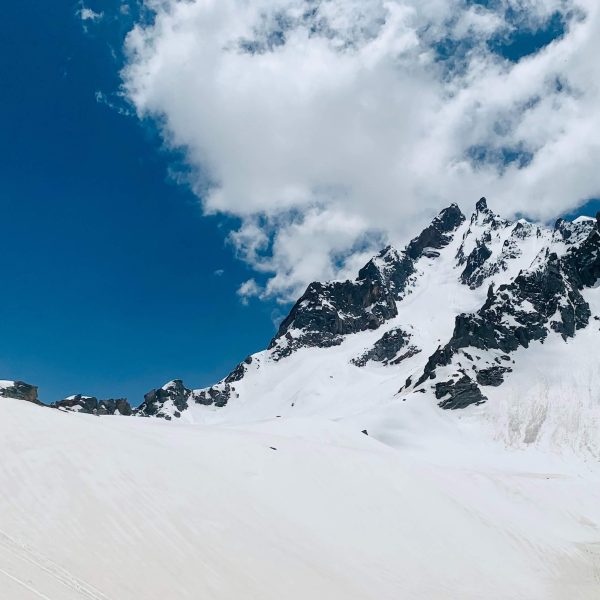
Winter brings heavy snowfall to Kalpa. From November to April, travel can become difficult. Roads may close, and temperatures drop well below freezing. However, if you enjoy snow and quiet surroundings, winter can be magical with proper planning.
Monsoon season brings rain and occasional landslides. Travel is possible but less comfortable. Checking weather conditions before the trip is always a good idea.
What to Wear
Clothing should be warm even in summer because Kalpa is at high altitude. A light jacket or sweater is useful during the day. Evenings and mornings can feel quite cold. Comfortable shoes are important for walking on uneven paths.
In winter, heavy woolens are necessary. Thick jackets, gloves, caps, and thermal wear will keep you warm. Snow boots may be needed if snow is deep. Dressing in layers works best because temperatures change throughout the day.
Modest clothing is recommended when visiting the temple. Avoid very short or revealing outfits. Simple dress shows respect for local customs and traditions.
Food and Dining
Food options in Kalpa are simple but satisfying. Small restaurants and guesthouses serve North Indian and Tibetan dishes. Rice, dal, vegetables, noodles, and momos are common meals. Everything is warm and filling, perfect for cold weather.
Local apples are famous in this region. Fresh apple juice and apple products are often available. Carrying snacks and water is a good idea if you plan to spend time exploring. At high altitude, you may feel thirsty more often.
Hot tea is available almost everywhere. Sitting with a cup of tea while looking at the mountains feels incredibly comforting. Many travelers say this simple moment becomes a highlight of the trip.
Where to Stay
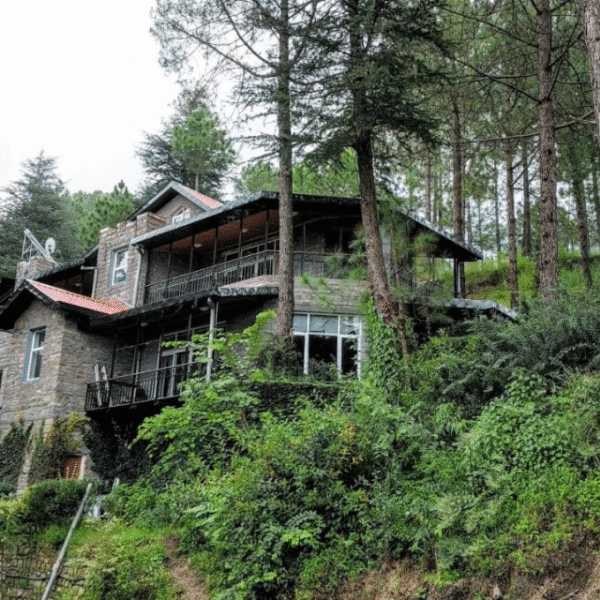
Kalpa has several guesthouses, homestays, and small hotels. Many rooms offer breathtaking views of the Kinner Kailash range. Staying overnight allows you to enjoy sunrise and sunset, which are truly spectacular here.
Homestays are a great option if you want a personal experience. Local families provide warm hospitality and homemade food. You can also learn about local traditions and daily life. Facilities may be basic but the experience feels authentic.
Booking in advance is recommended during peak season. Winter travelers should confirm heating arrangements. Nights can be extremely cold.
Travel Tips for Visitors
Start your day early to enjoy clear views and peaceful surroundings. Carry cash because digital payments may not work everywhere. Mobile signals can be weak in remote areas. Walking slowly helps you adjust to the altitude.
Respect temple rules and local customs. Do not litter and keep noise low. Photography is usually allowed outside, but asking first is polite. Taking time to sit quietly can make the visit more meaningful.
Final Thoughts
Narayan-Nagini Temple is more than just a place to see. It is a place to feel peace, tradition, and natural beauty together. The stunning mountain backdrop makes it unforgettable. Whether you come for faith, photography, or quiet reflection, the experience stays with you.
If you are visiting Kinnaur, this temple should definitely be on your list. It shows a side of the Himalayas that is calm, spiritual, and deeply rooted in local culture. Sometimes the quietest places leave the strongest memories. Narayan-Nagini Temple is truly one of those special places.