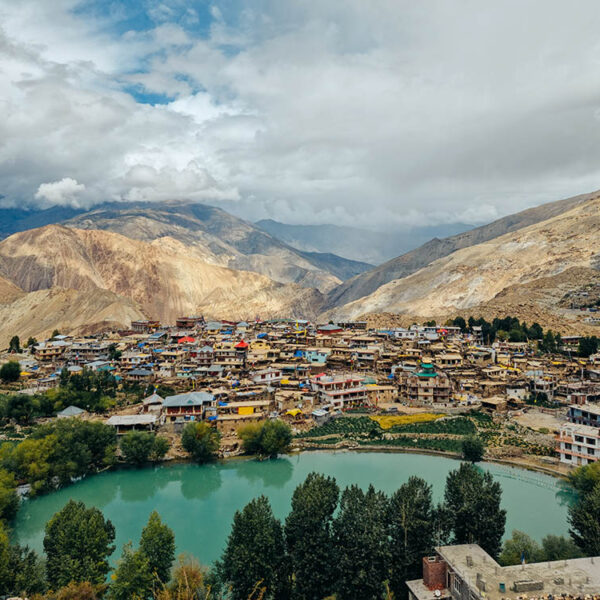
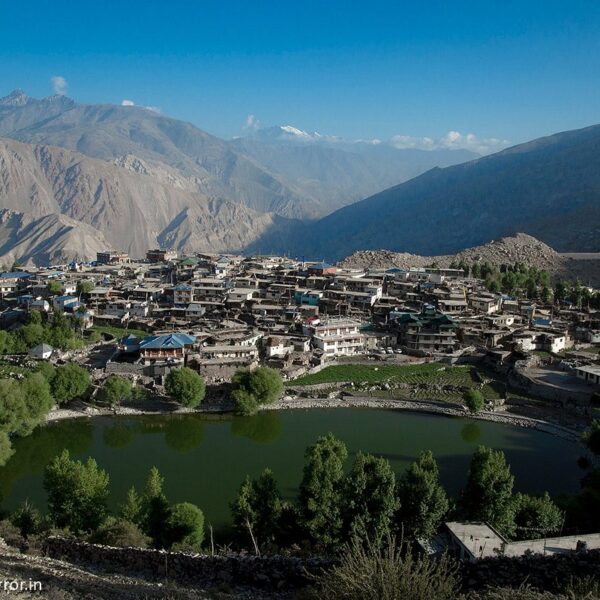
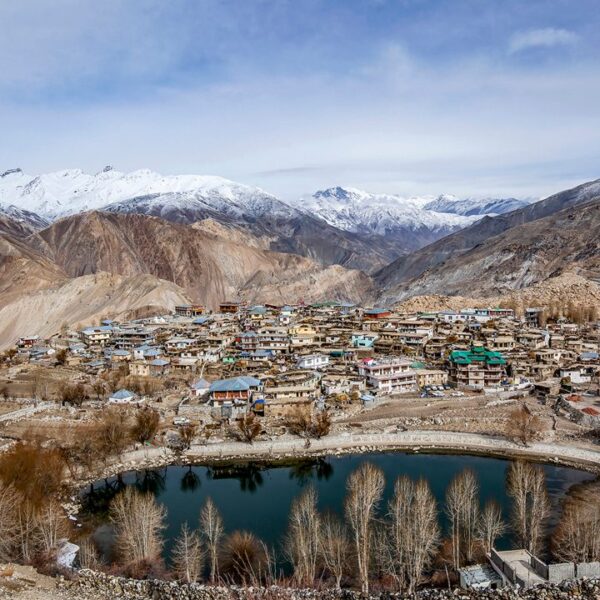
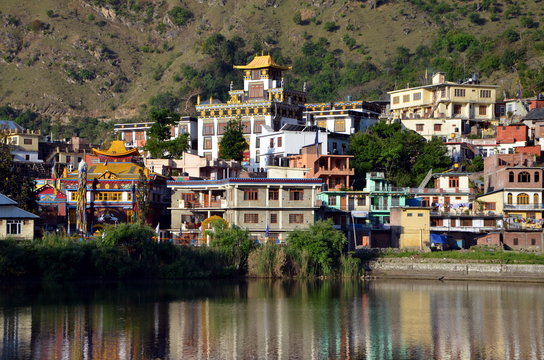
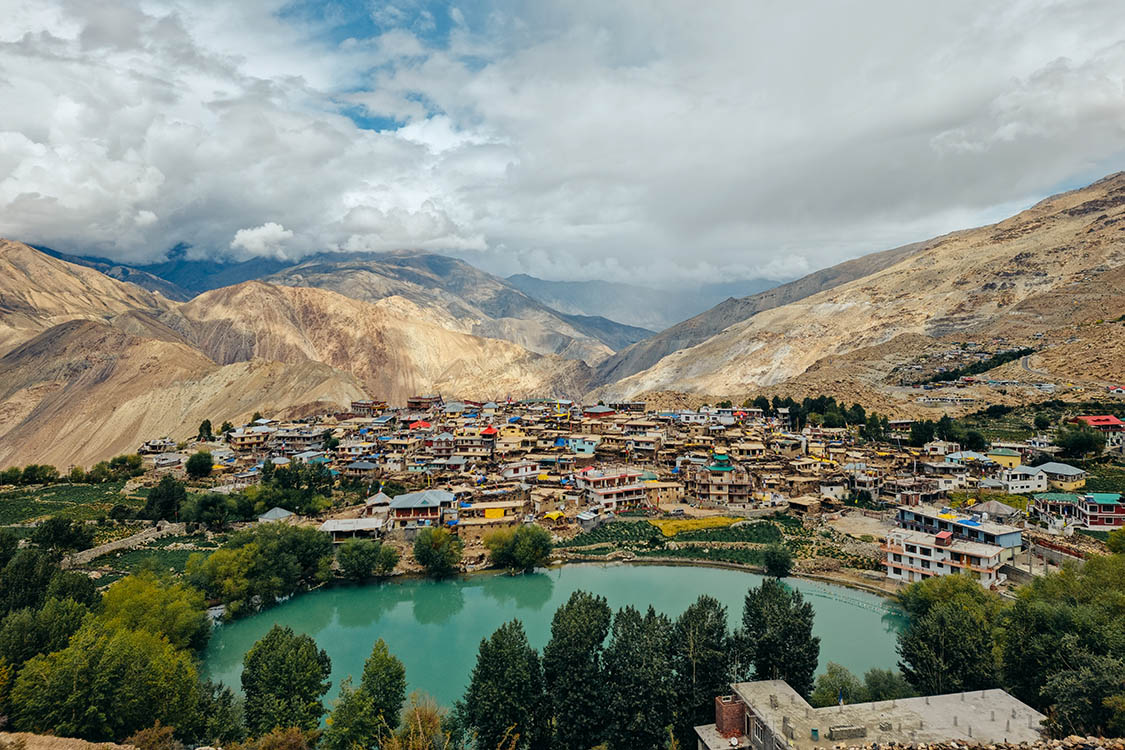
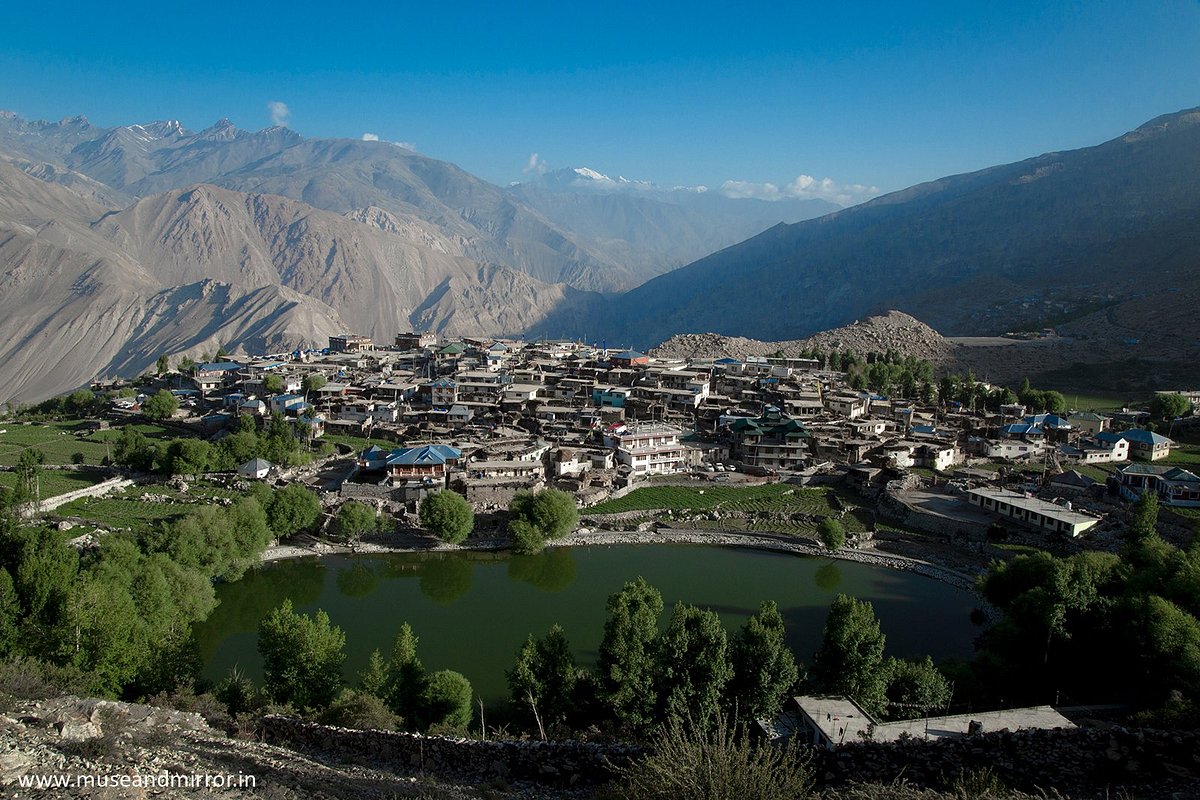
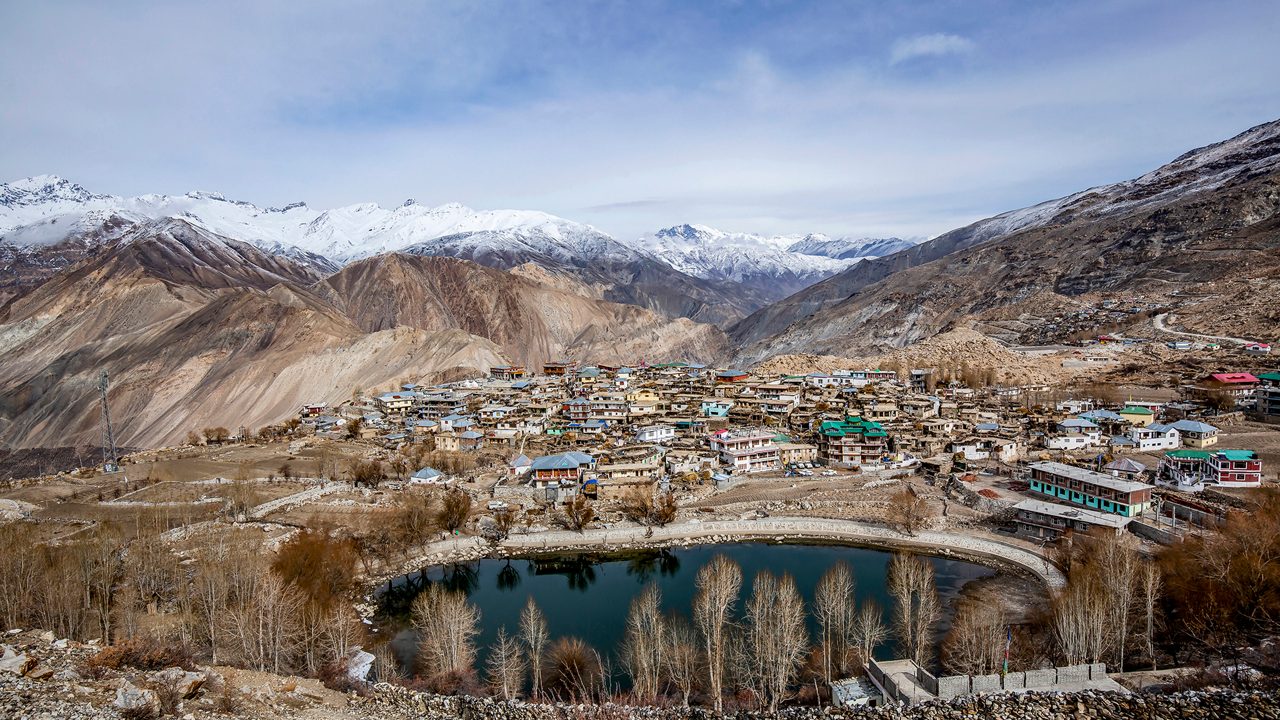
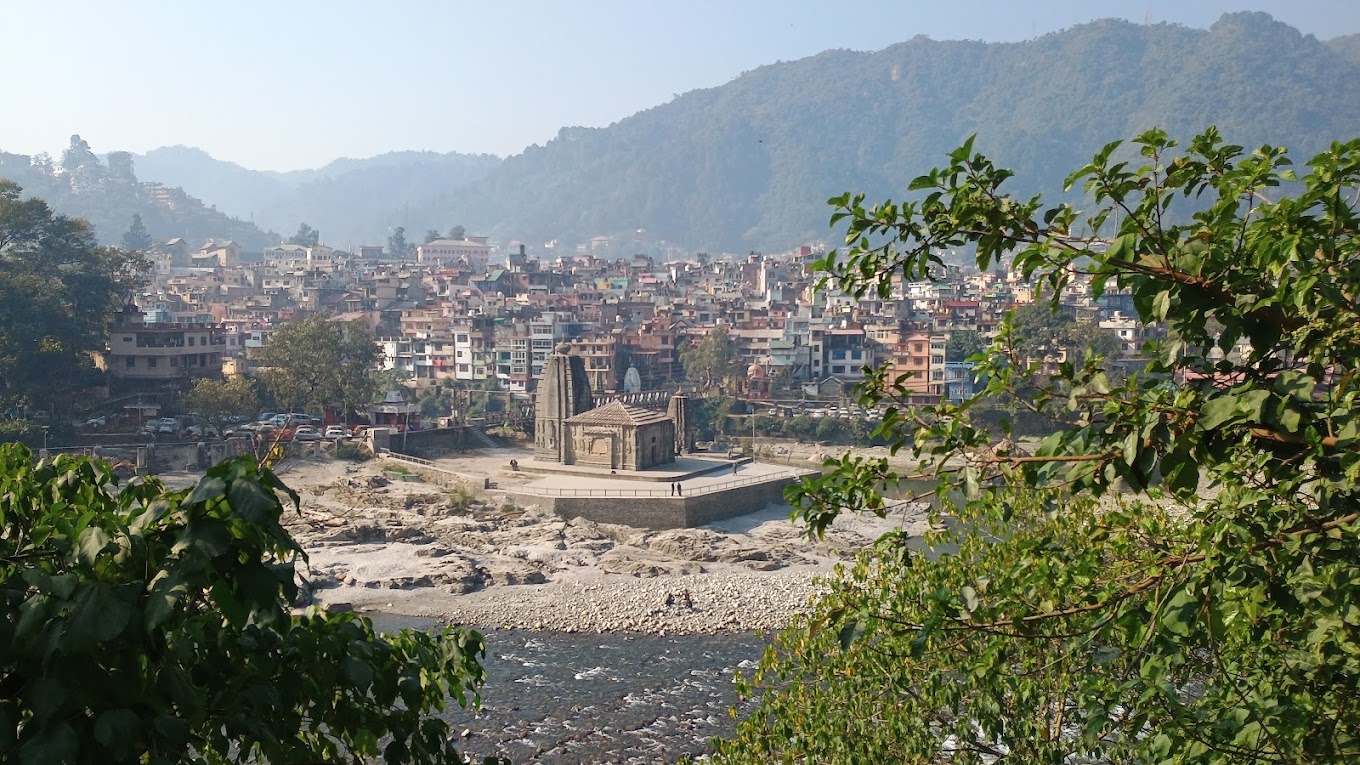
Nako Monastery is a peaceful and ancient Buddhist monastery in Nako village in the Kinnaur district of Himachal Pradesh. The village sits very high in the mountains, close to the border of Tibet. Everything here feels quiet, remote, and untouched. Right next to the monastery is a beautiful lake, which reflects the mountains and sky like a mirror. When you arrive, the silence feels deep and calming. It is the kind of place where you just want to sit and breathe slowly.
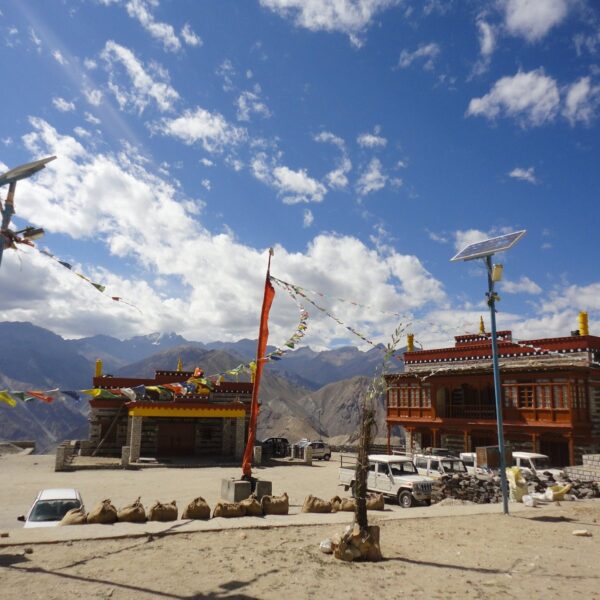
This monastery is not a busy tourist attraction. Only travelers who make the long journey get to see it. That makes it feel special and personal. You may see monks walking quietly or locals spinning prayer wheels. Prayer flags flutter in the cold mountain wind. The air feels clean and thin because of the high altitude.
Location and How to Reach
Nako Monastery is located in Nako village along the Hindustan–Tibet Highway. The nearest major airport is in Shimla, but most visitors travel by road. From Shimla, the drive takes many hours through mountains, valleys, and rocky landscapes. The scenery changes slowly from green forests to dry high altitude terrain.
If you are coming from Delhi, you can first reach Shimla by bus, train, or car. From Shimla, buses and taxis travel toward Kinnaur and Spiti regions. The journey is long and tiring but also very beautiful. Roads are narrow in many places, so traveling during daylight is important.
Once you reach Nako village, the monastery is easy to find. It sits near the lake in the center of the village. Walking through the small streets feels peaceful. Locals are friendly and often greet visitors warmly.
First Impressions
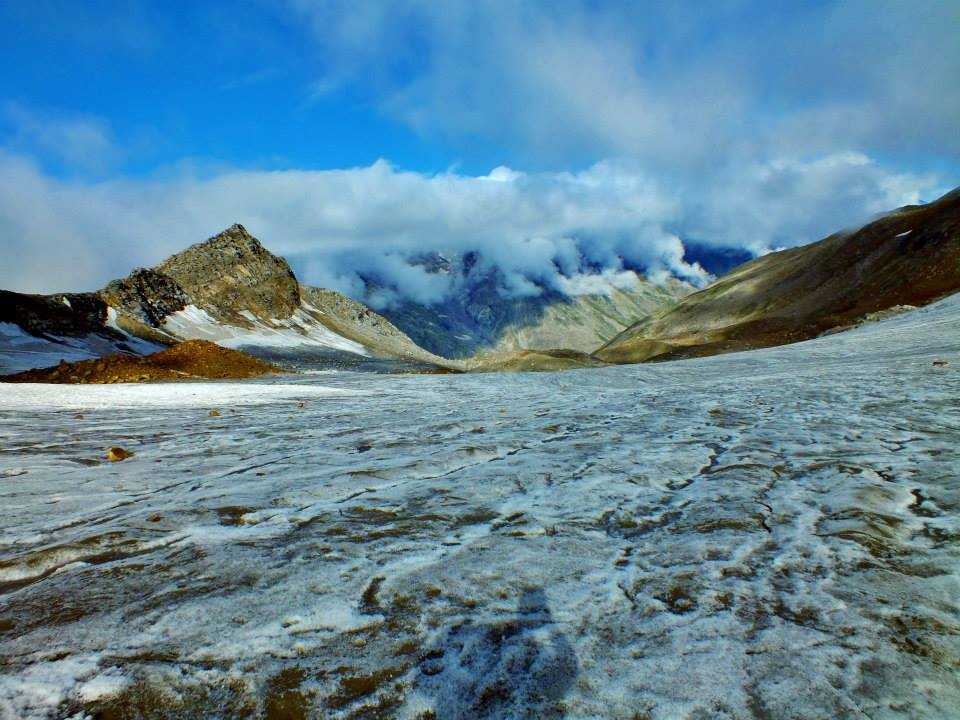
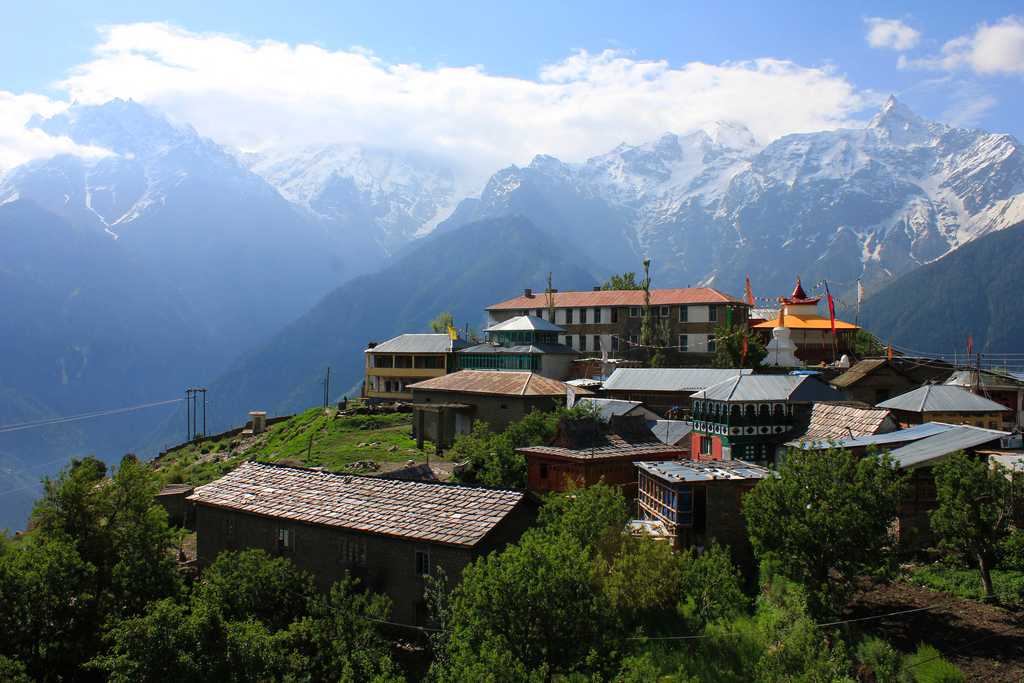
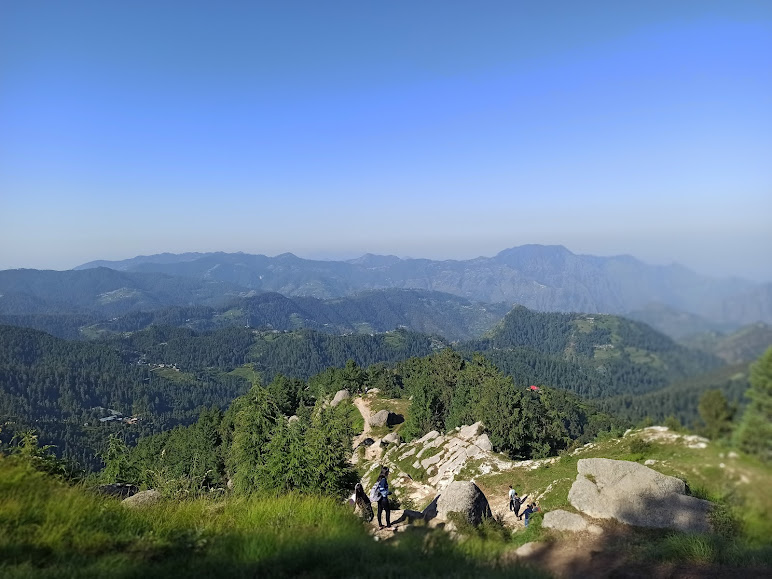
Nako feels very different from lower parts of Himachal. The landscape is dry and rugged, with brown hills and rocky slopes. Snow covered peaks can be seen in the distance. The village itself looks simple, with traditional mud and stone houses. Everything blends naturally with the surroundings.
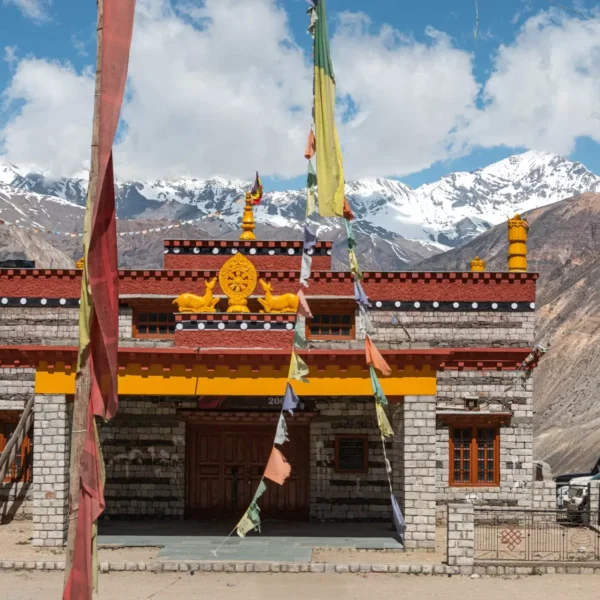
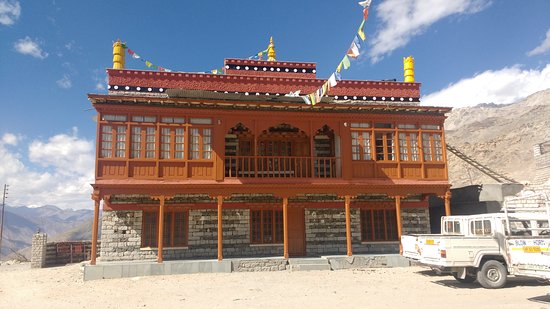
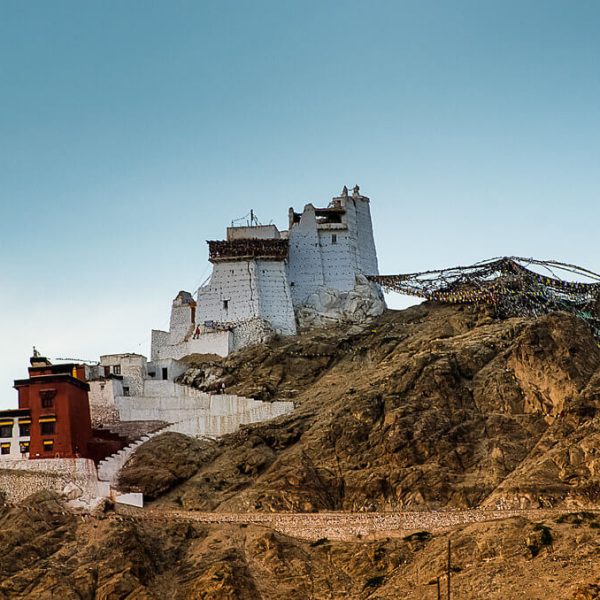
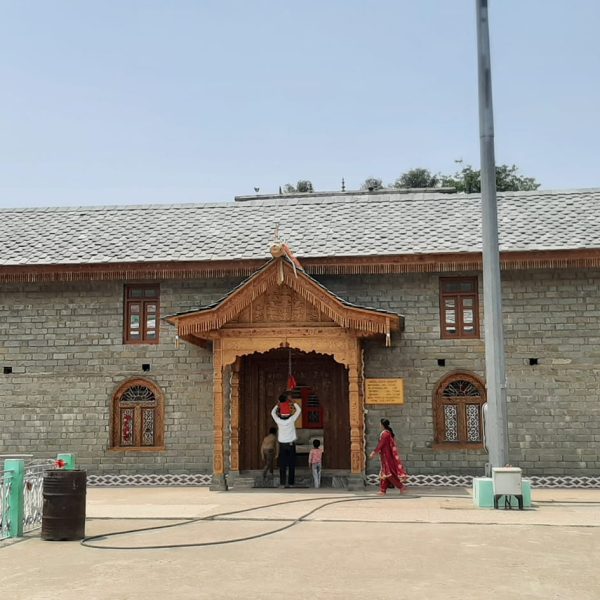
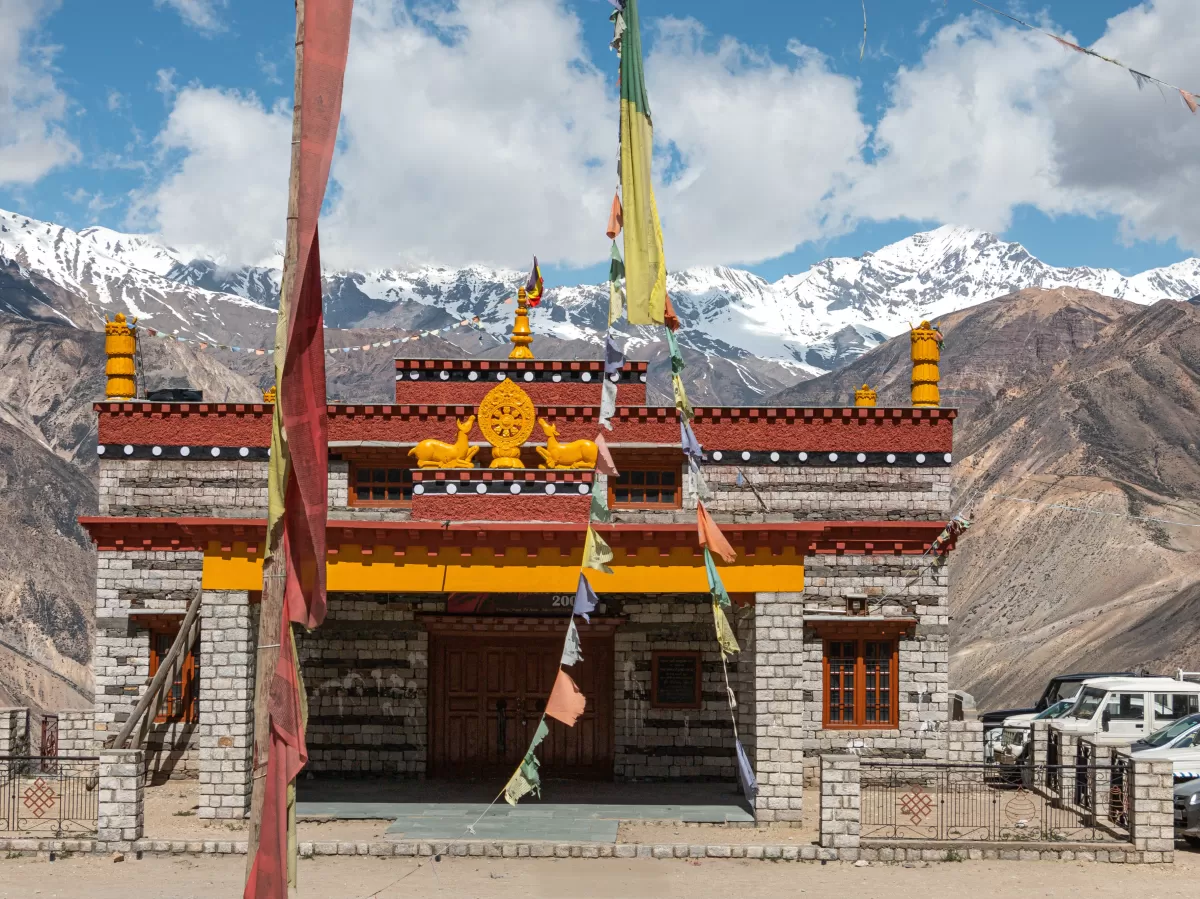
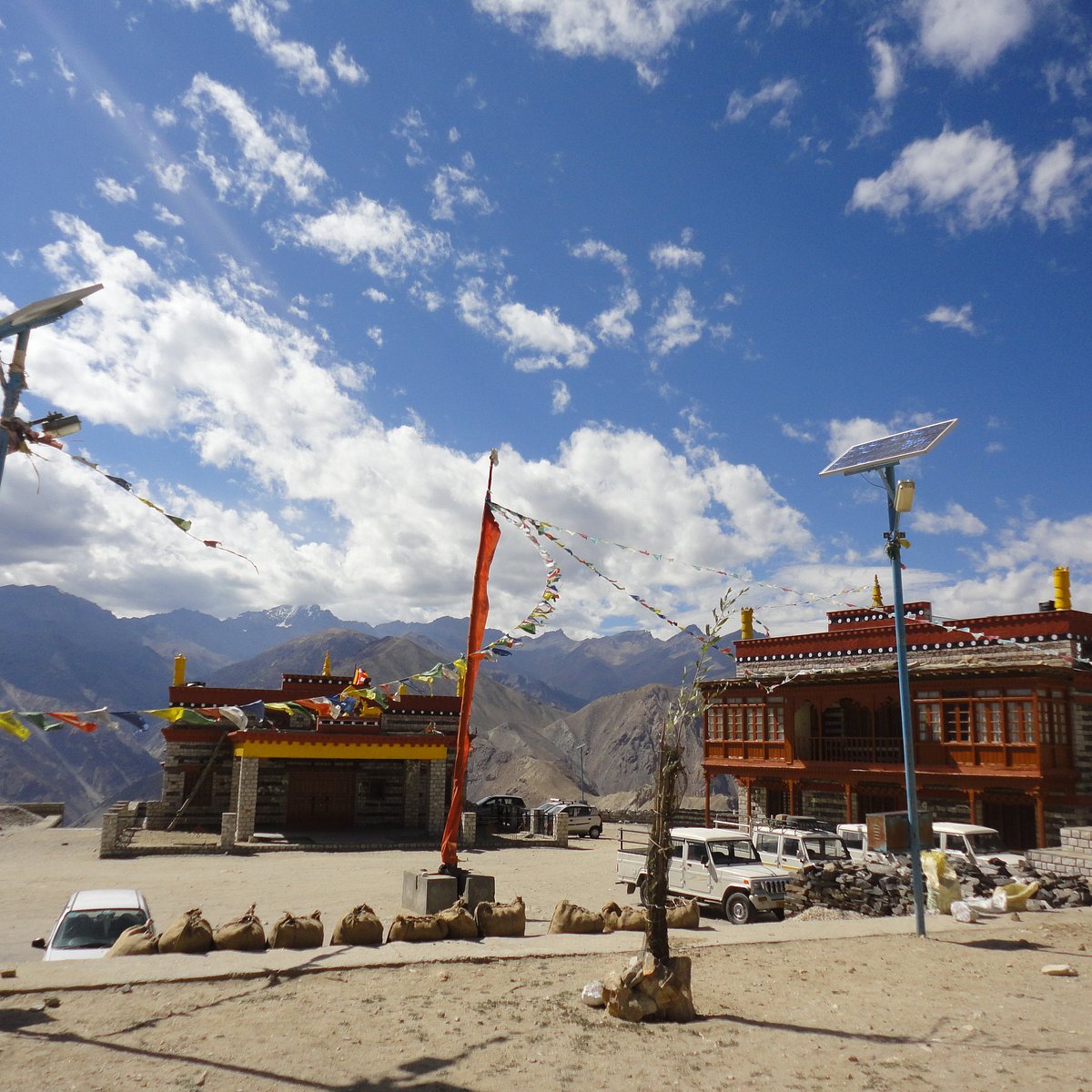
The monastery complex looks old and humble rather than grand. White walls, wooden doors, and prayer flags give it a timeless look. The nearby lake adds to the beauty of the place. Many visitors spend time walking around the lake before entering the monastery.
History and Heritage
Nako Monastery is believed to be over a thousand years old. It is associated with the famous Buddhist teacher Rinchen Zangpo, who helped spread Buddhism in this region. The monastery has survived harsh winters, earthquakes, and changing times. This makes it an important historical site.
Over the centuries, the monastery has been repaired and preserved by monks and villagers. It continues to function as a place of worship and learning. Religious ceremonies and prayers are still held here regularly. The sense of history feels strong when you walk through the old halls.
The monastery represents the deep connection between this region and Tibetan Buddhist culture. Traditions have been passed down from generation to generation. Visitors often feel like they have stepped back in time.
Architecture and Art
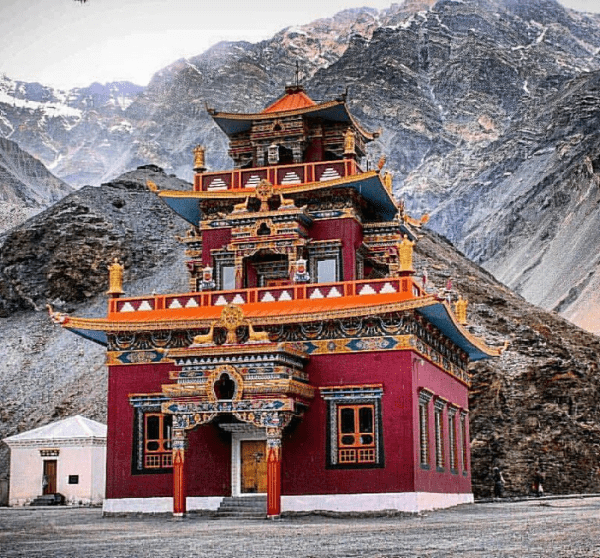
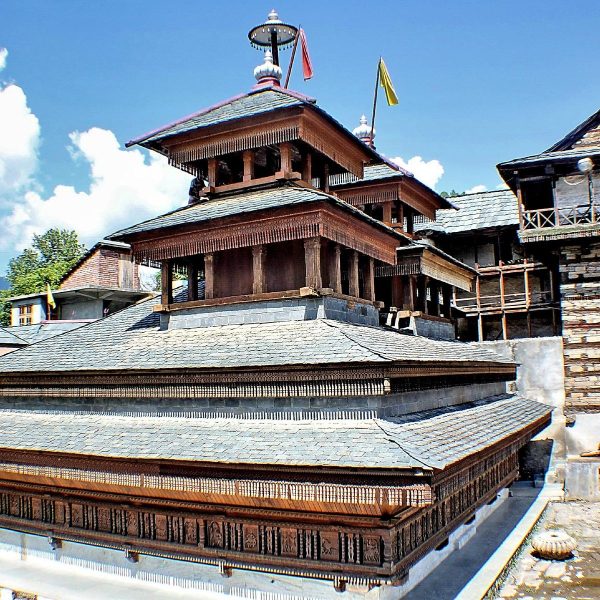
The architecture of Nako Monastery is simple but full of character. Buildings are made from mud, stone, and wood, which help protect against extreme weather. The design focuses on function rather than decoration. Thick walls keep the interior warm during freezing winters.
Inside, the prayer halls contain ancient murals and paintings. These artworks show Buddhist stories, deities, and symbols. Some paintings are faded with age, which adds to their charm. Statues of Buddha sit quietly in dim light from butter lamps. The atmosphere feels sacred and peaceful.
Small prayer wheels are placed around the complex. Visitors spin them gently while walking. It is believed that this spreads blessings and positive energy. Even if you are not religious, the action feels calming.
Spiritual Significance
For local Buddhists, Nako Monastery is an important spiritual center. Monks live here and follow daily routines of prayer and meditation. The lifestyle is simple and disciplined. Visitors are welcome but should behave respectfully.
Silence is appreciated inside prayer halls. Loud talking feels out of place in such a calm environment. Sitting quietly for a few minutes can feel deeply relaxing. Many travelers say they feel a sense of peace here that is hard to describe.
Festivals and special ceremonies are held during certain times of the year. During these events, the monastery becomes lively with chants and rituals. If you visit during a festival, you will see a colorful side of local culture.
Best Time and Weather
The best time to visit Nako Monastery is from May to October. During these months, roads are open and weather is manageable. Days are cool but comfortable, and skies are often clear. The lake and mountains look especially beautiful in sunlight.
Winter is extremely harsh in Nako. From November to April, heavy snow and freezing temperatures make travel difficult. Many roads close, and the village becomes isolated. Only experienced travelers with proper preparation visit during this time.
Monsoon season brings less rain compared to lower regions but landslides can still occur. Checking road conditions before traveling is always wise. High altitude weather can change quickly, so being prepared is important.
What to Wear
Warm clothing is necessary even in summer. The high altitude keeps temperatures cool throughout the year. A jacket or sweater is useful during the day, while nights can feel very cold. Comfortable shoes are important for walking on uneven ground.
In colder months, heavy woolens are essential. Thick jackets, gloves, caps, and thermal layers will keep you warm. Windproof clothing helps because strong winds are common. Dressing in layers allows you to adjust easily.
Sunlight at high altitude can be strong, so sunglasses and sunscreen are helpful. Modest clothing is recommended inside the monastery as a sign of respect.
Food and Dining
Food options in Nako are simple and limited. Small guesthouses and local eateries serve basic meals. Rice, dal, vegetables, noodles, and soups are common dishes. Everything is warm and filling, which feels comforting in cold weather.
Tibetan style food like momos and thukpa is also available. Carrying snacks is a good idea because options are not many. Bottled water is available but staying hydrated is important due to dry air.
Hot tea is the most popular drink. Sitting by the lake with a cup of tea feels incredibly peaceful. Many travelers remember this simple experience long after the trip ends.
Where to Stay
Nako has a few guesthouses, homestays, and small hotels. Facilities are basic but comfortable. Many rooms offer views of the lake or mountains. Staying overnight allows you to experience sunrise and sunset, which are truly beautiful here.
Homestays are especially popular. Local families provide warm hospitality and home cooked meals. You also get a chance to learn about daily life in this remote village. The experience feels personal and authentic.
Booking ahead is recommended during peak travel season. Electricity and internet may be limited, so it is good to be prepared for simple living.
Travel Tips for Visitors
Walk slowly when you arrive because of the high altitude. Some people may feel breathless at first. Drinking plenty of water helps your body adjust. Avoid heavy physical activity on the first day.
Carry cash because digital payments may not work. Mobile signals can be weak. Respect local customs and keep the environment clean. Take your time to enjoy the silence and beauty.
Final Thoughts
Nako Monastery is not just a place to visit. It is a place to experience peace, history, and nature together. The remote location makes it feel special and untouched. Whether you come for spirituality or scenery, the experience stays with you.
If you are traveling through Kinnaur or toward Spiti, this monastery is worth the stop. It offers a rare chance to see life in a high mountain village. Quiet, simple, and deeply meaningful. Sometimes the most remote places leave the strongest memories. Nako Monastery is truly one of them.