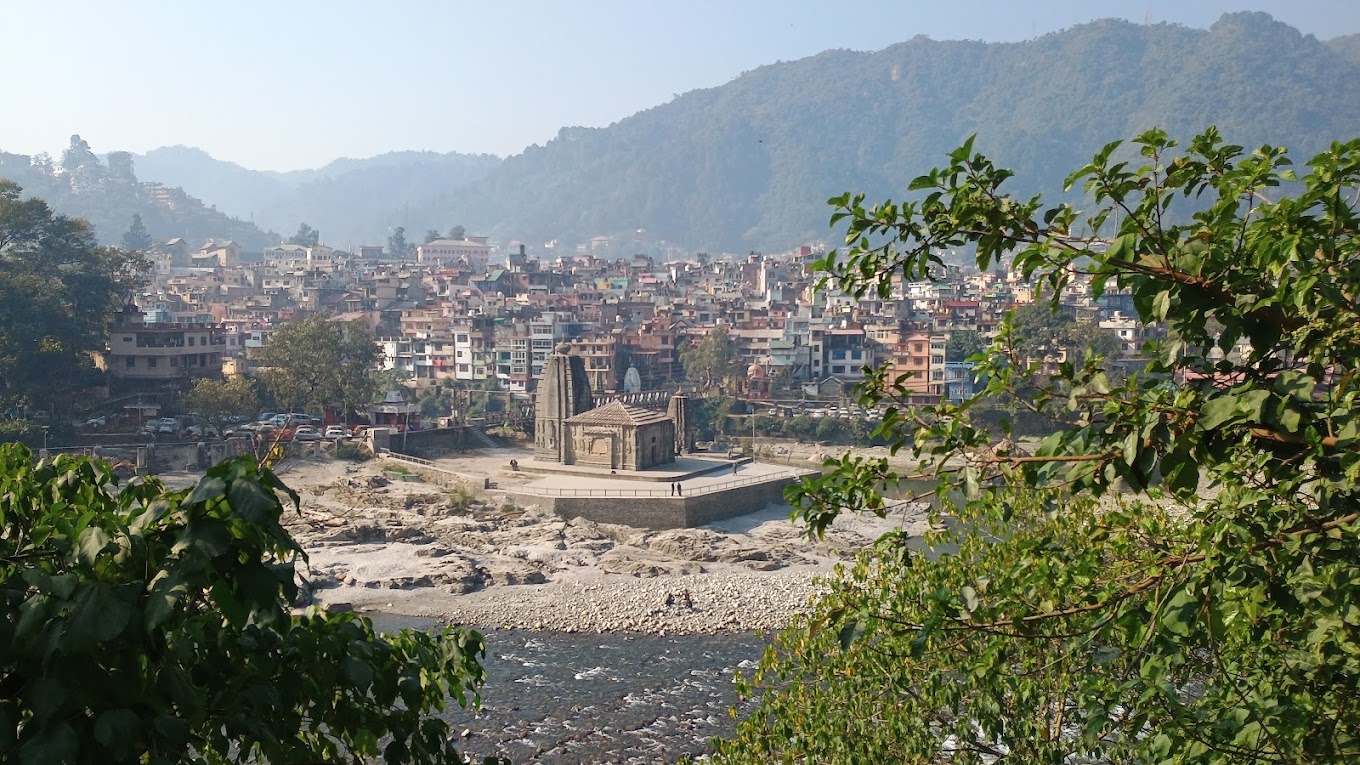
A Hilltop Shrine Above the Valley
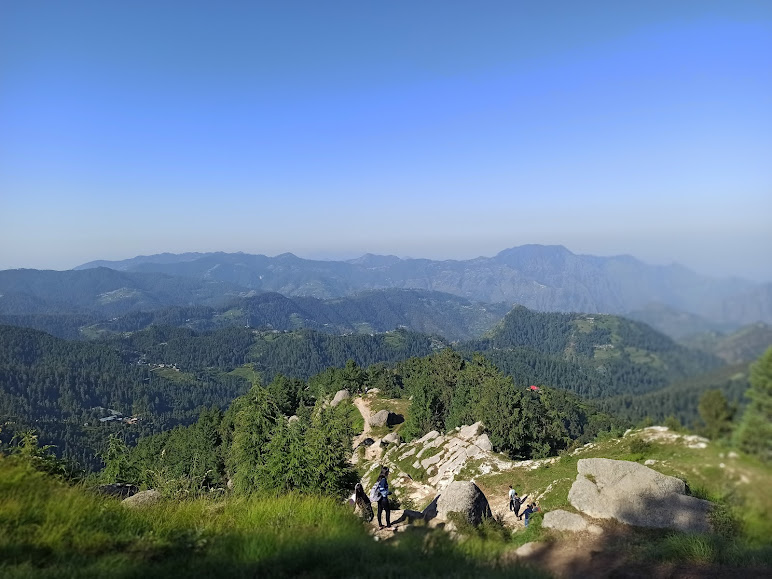
Nestled on the Bhounn hills of Sundernagar in the Mandi district of Himachal Pradesh, Sheetla Mata Temple is one of the most revered Shakti shrines in the region. Set on a tranquil hilltop with stunning vistas over the Balh Valley, the shimmering BBMB lake, and the snow-clad Himalayan peaks beyond, this ancient temple is where devotion meets raw natural beauty. Every year, thousands of pilgrims make their way here — some seeking the goddess’s healing blessings, others simply drawn to the deep calm that only a mountain shrine can offer. Whatever brings you here, the Sheetla Mata Temple has a way of touching every soul that steps through its gates.
Who is Sheetla Mata? Understanding the Goddess
Sheetla Mata is one of the most widely worshipped goddesses across North India and in the hill communities of Himachal Pradesh. Her very name says everything — sheetal in Sanskrit means cool, and that coolness is the heart of her divine power. Regarded as a form of Goddess Durga or Parvati, she is the goddess of good health, healing, and protection from disease and misfortune.
Her Sacred Iconography
In classical Hindu iconography, Sheetla Mata is depicted seated on a donkey, carrying a broom, a pot of cool water, and a winnowing fan. The cool water represents her power to heal fever and disease. The broom symbolises her role in sweeping away impurity and suffering from the lives of those who pray to her. Every element of her image carries meaning — every symbol reflects her compassion for the vulnerable.
Why Devotees Worship Her
For generations, mothers have brought their children to her temples seeking protection from smallpox, skin ailments, fevers, and infections. In communities where epidemics once swept through entire villages without warning, Sheetla Mata was the divine refuge — a cool and compassionate mother who could soothe a burning body and restore life. That devotion endures even today, passed down through generations as a living thread of Himachali spiritual tradition.
The Legend of Sheetla Mata: Where the Story Begins
The mythology surrounding Sheetla Mata is both vivid and deeply moving.
The Demon Jwarasur and His Reign of Terror
According to ancient legend, a fearsome demon called Jwarasur — the lord of fever — unleashed devastating epidemics across the world. His wrath was so powerful that neither gods, nor sages, nor medicine could contain it. Fevers raged, bodies burned, and entire populations fell prey to incurable diseases, chief among them smallpox. Suffering spread without boundaries, and even the heavens were deeply troubled.
The Goddess Descends
Lord Shiva and Goddess Parvati were moved by immense compassion for humanity — especially for innocent children and their helpless families. Goddess Parvati chose to take on a new divine form, one of supreme coolness and healing grace, and descended to Earth as Sheetla Mata. Everywhere she walked, fevers subsided, illness retreated, and peace was restored.
A Second Account
In a parallel version of the legend, Goddess Durga — who had incarnated as Katyayani, daughter of the sage Katyayan — assumed the form of Sheetla when Jwarasur’s plague became unbearable. After healing those afflicted, she summoned the divine warrior Batuk, who took the form of Bhairav and slew the demon, ridding the world of his tyranny once and for all.
Both versions of the legend carry the same truth: Sheetla Mata is the goddess who answers suffering with coolness, disease with healing, and chaos with divine grace. In the ancient Shakti-worshipping hills of Mandi, she found a devoted following that has never wavered.
History of the Temple: Centuries of Devotion
The Royal Connection
The Sheetla Mata Temple at Sundernagar stands atop the Bhounn hills, locally also called the Kalhoud hills, adjacent to the Doordarshan Tower. Sundernagar itself carries a proud royal heritage — it was the capital of the ancient Suket Riyasat, one of the oldest principalities in the region, founded in 765 AD by Raja Bir Sen.
King Shyam Sen and the Temple’s Origin
According to local historical records, the Sheetla Mata Temple was built by King Shyam Sen, who ruled between approximately 1620 and 1650 AD. As the story goes, a yogi had placed a curse on the king, and the kingdom had been suffering as a result. It was only after the construction of this temple — built as an act of deep devotion and penance — that the curse was lifted and peace returned to Suket. The temple thus became far more than a place of worship; it became a symbol of royal faith and a testament to the goddess’s protective power over the land and its people.
How the Complex Has Grown
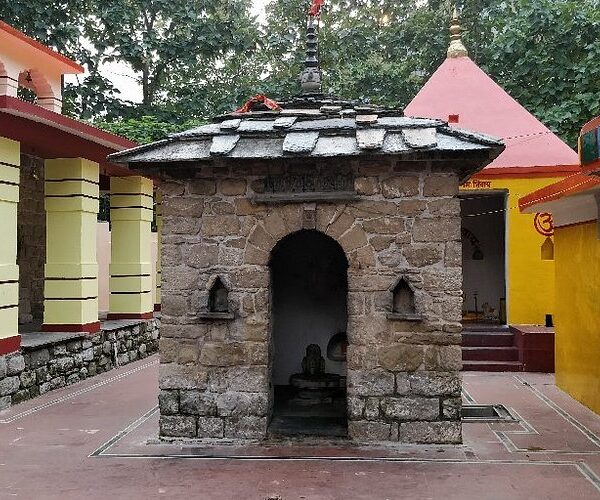
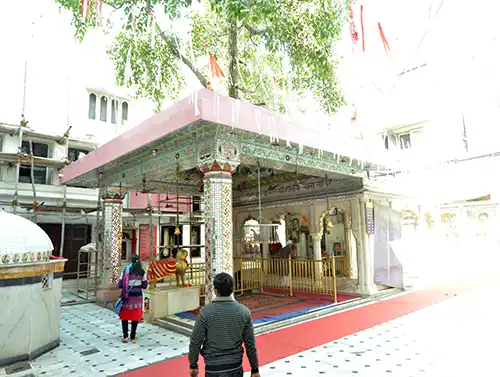
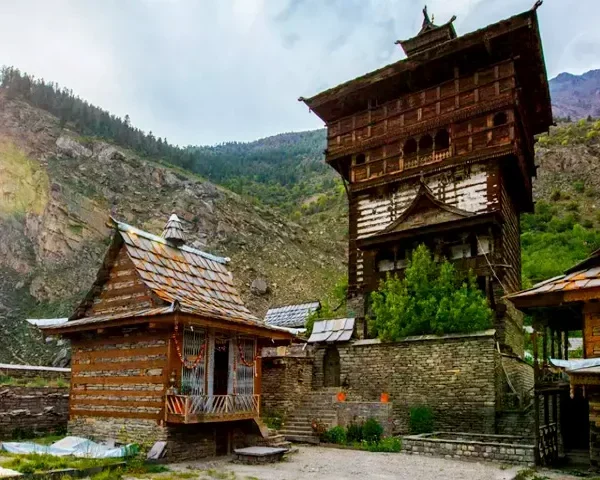
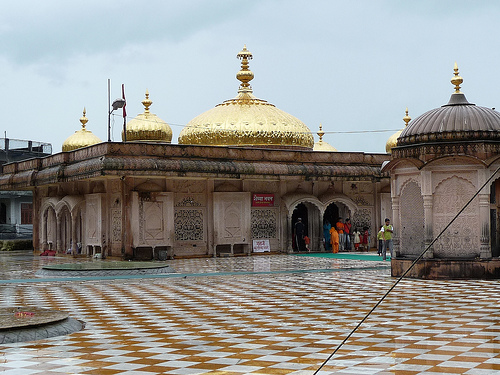
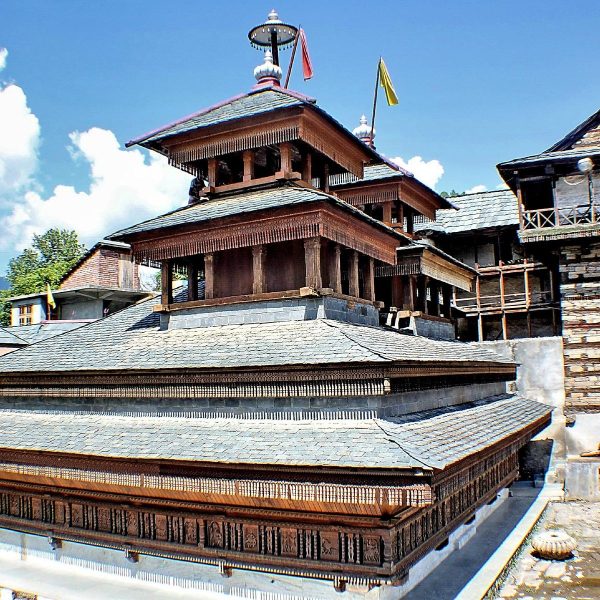
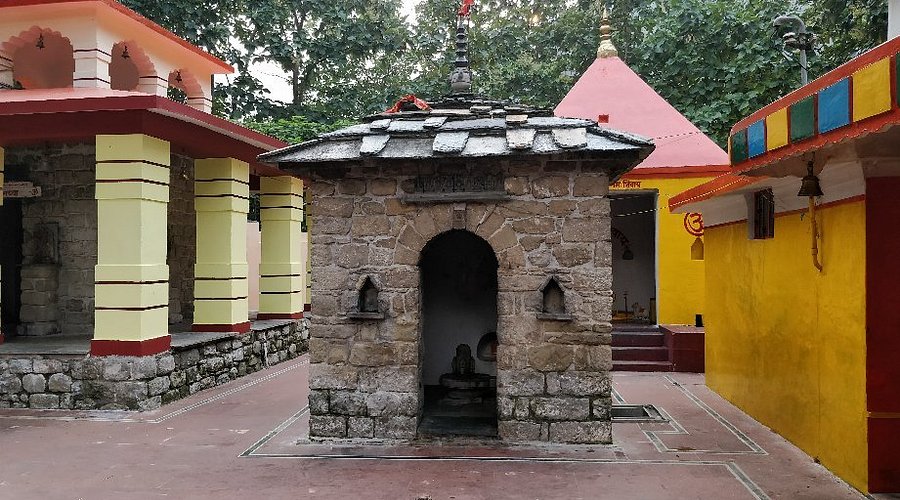
Over the centuries, the temple complex has expanded considerably. Today it includes a large courtyard used for religious ceremonies, community havans, and even marriages. Within the same premises stand the Shri Swami Swatantranand Ashram and Shri Vishwanath Dham, further enriching the spiritual character of the site. The intricate carved woodwork of the temple — a hallmark of traditional Himachali craftsmanship — continues to draw appreciation from pilgrims and visitors in equal measure.
The Temple and Its Setting: What to Expect on Arrival
Getting There from the Highway
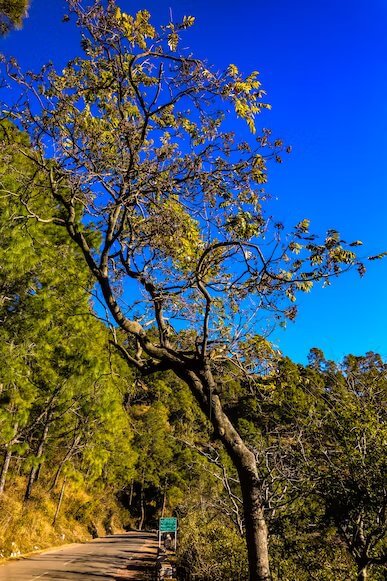
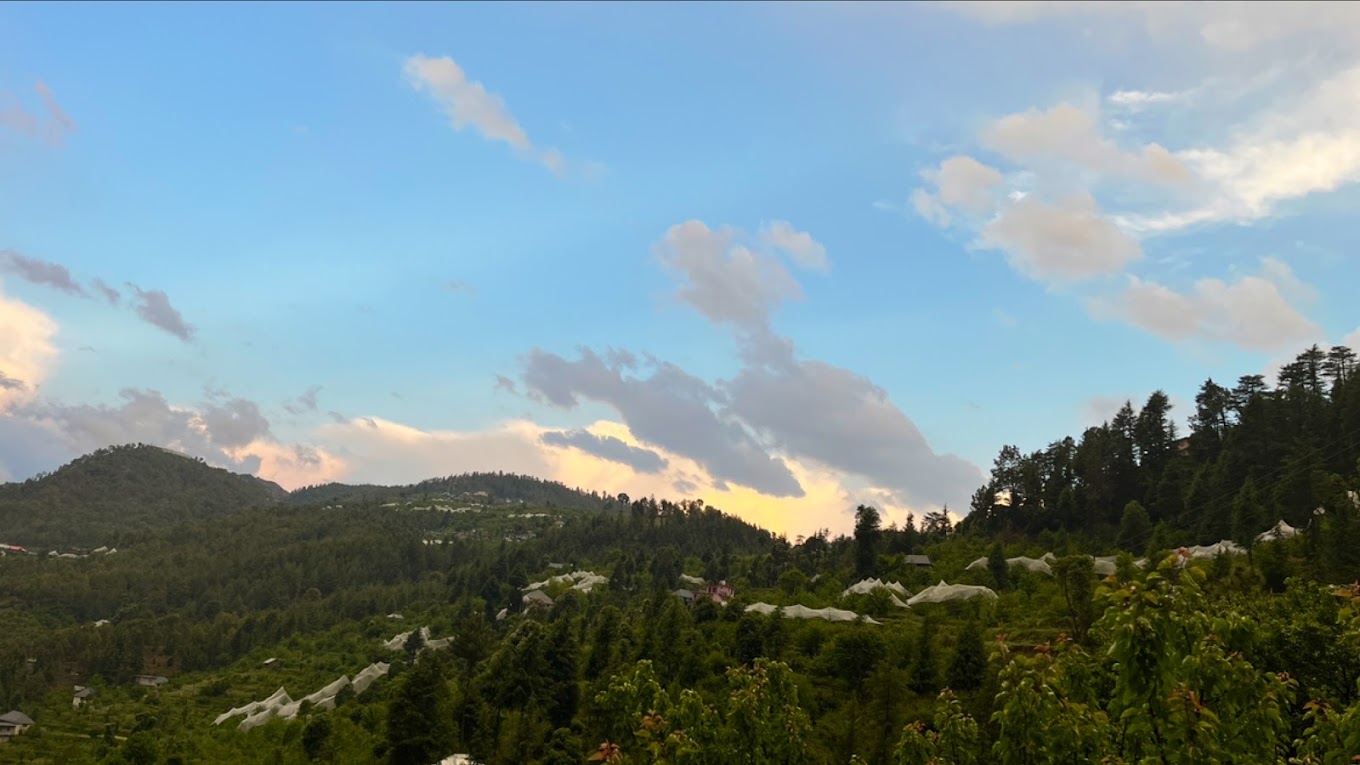
The Sheetla Mata Temple sits approximately 2 km from the BBMB Control Gate on NH-21, and about 4 km from Sundernagar town centre. From the Control Gate, the temple can be reached in around 10 minutes by vehicle or 30 minutes on foot. The approach itself is part of the experience — a scenic hillside path through trees that gradually opens up to reveal the vast valley below.
The View from the Top
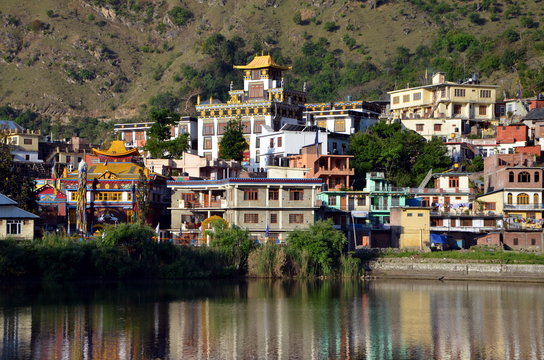
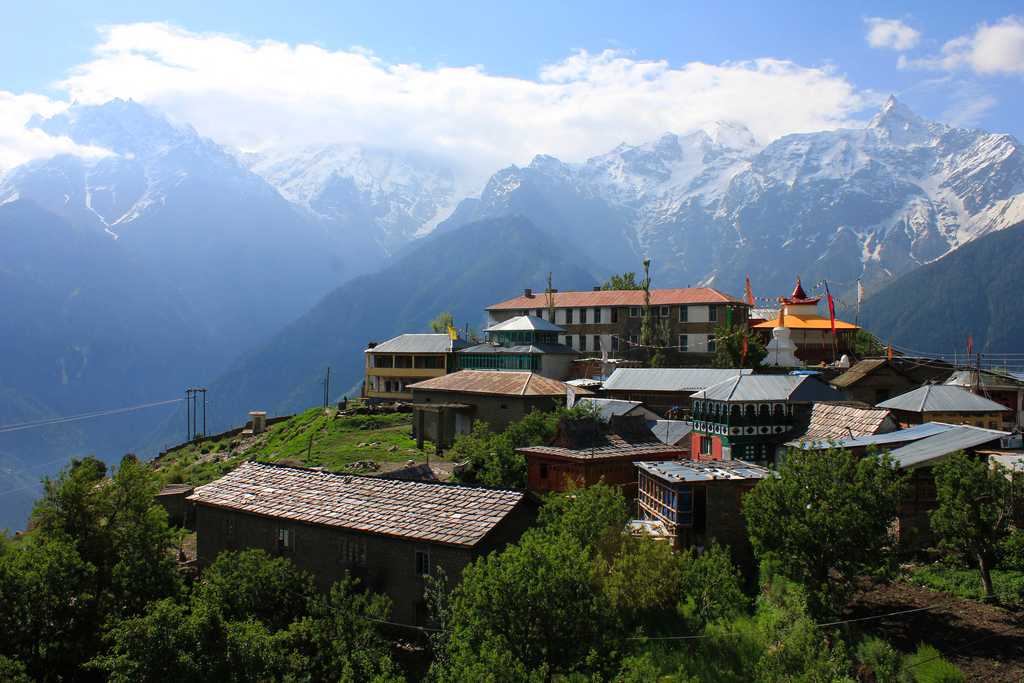
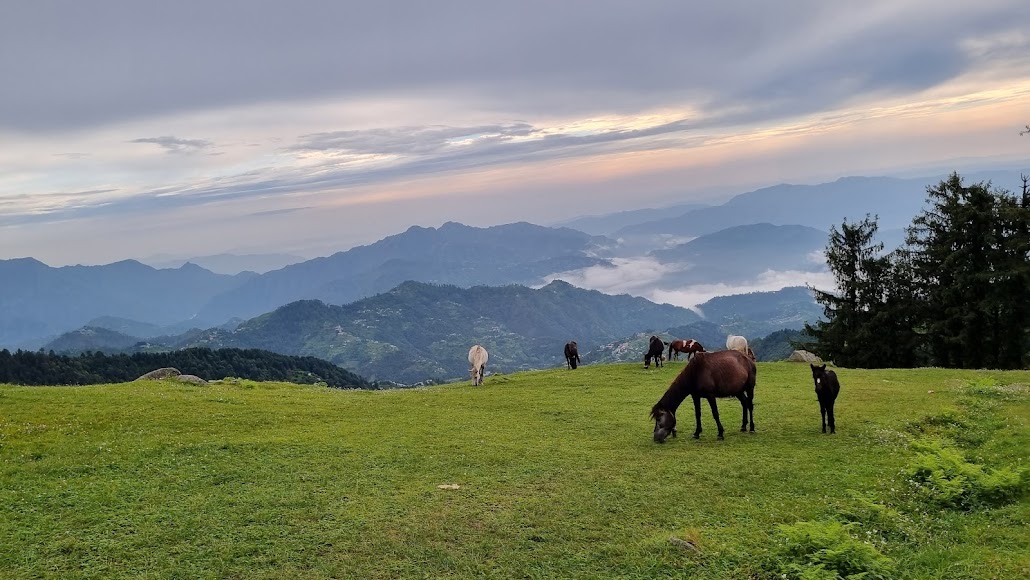
The view from the temple precincts is genuinely breathtaking. The wide Balh Valley stretches out below, with the man-made BBMB lake catching the light in the distance and the rooftops of Sundernagar scattered across the valley floor. The silent Himalayan ranges stand watch on the horizon. It is the kind of view that quiets a restless mind and opens the heart — a natural backdrop perfectly suited to prayer and quiet reflection.
Inside the Sanctum
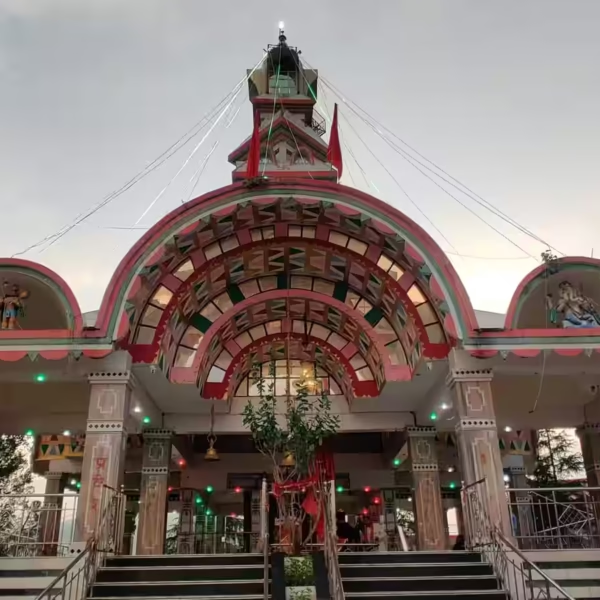
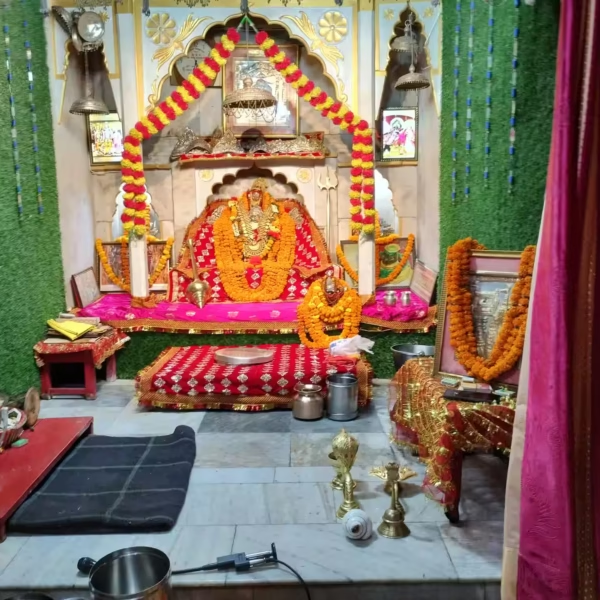
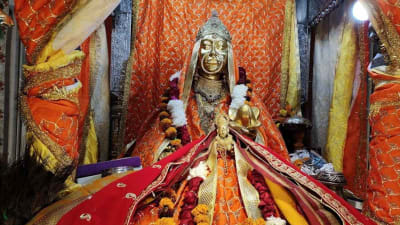
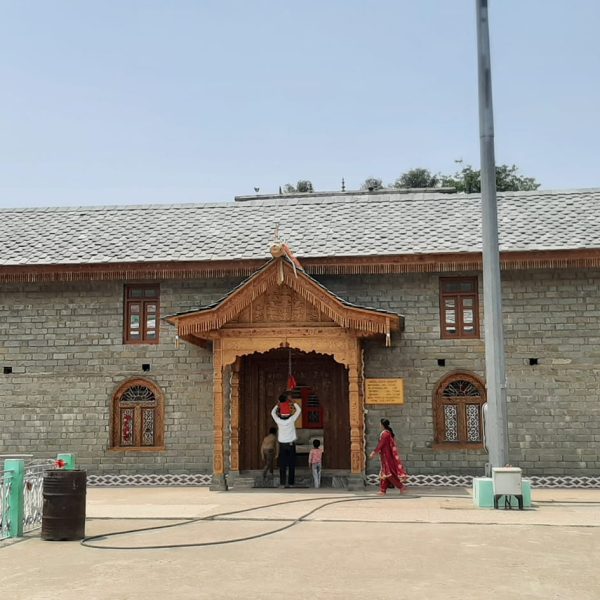
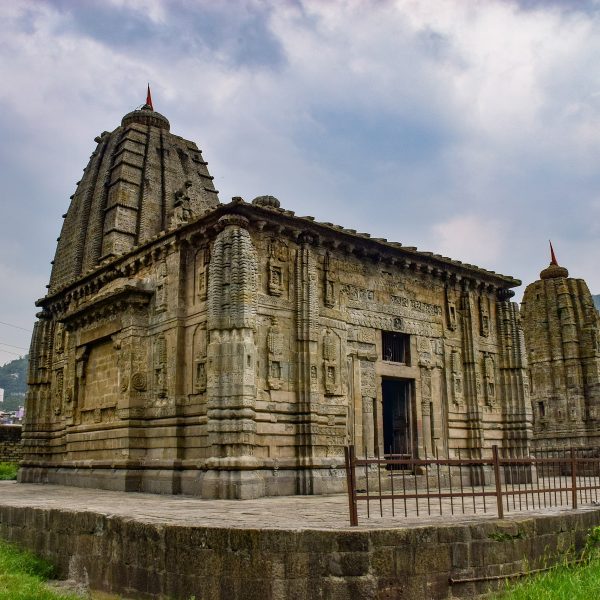
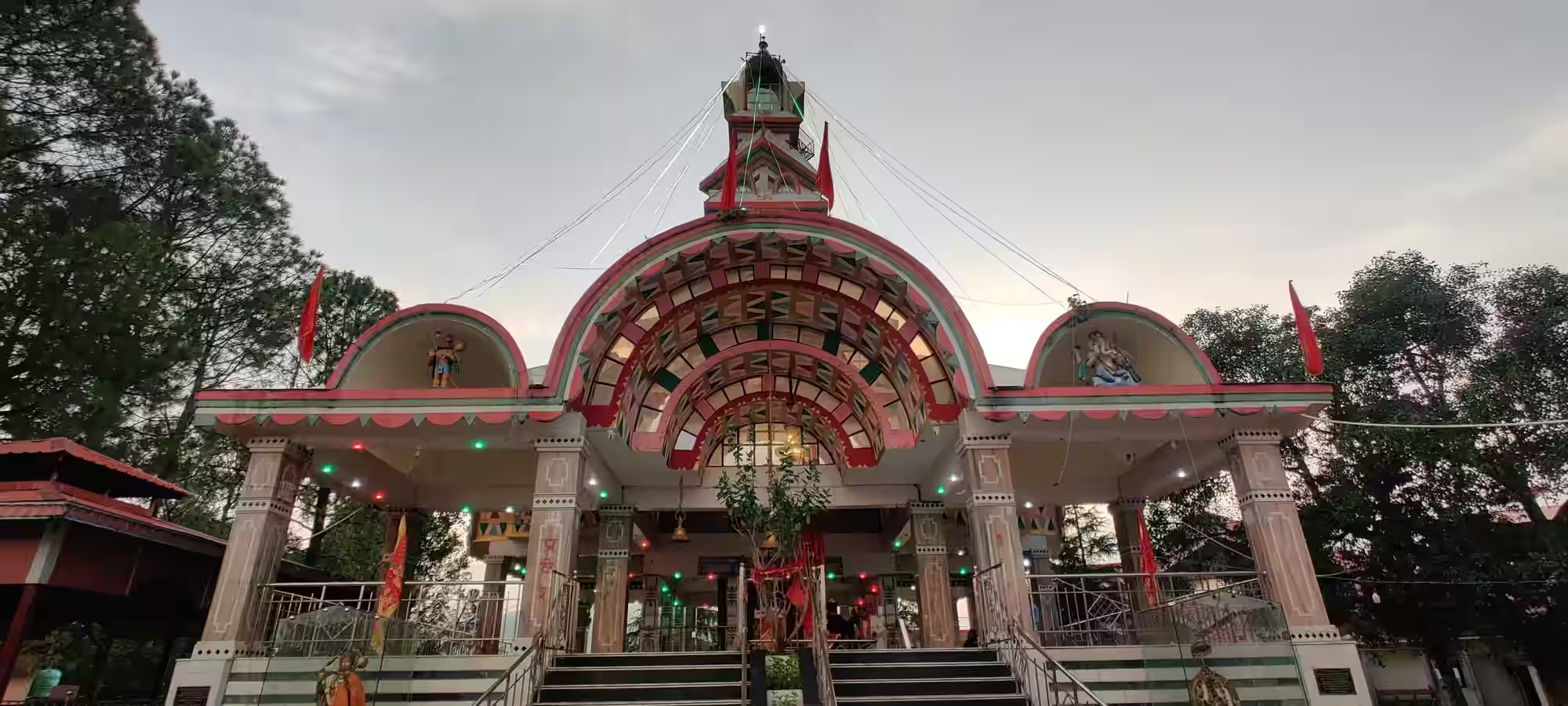
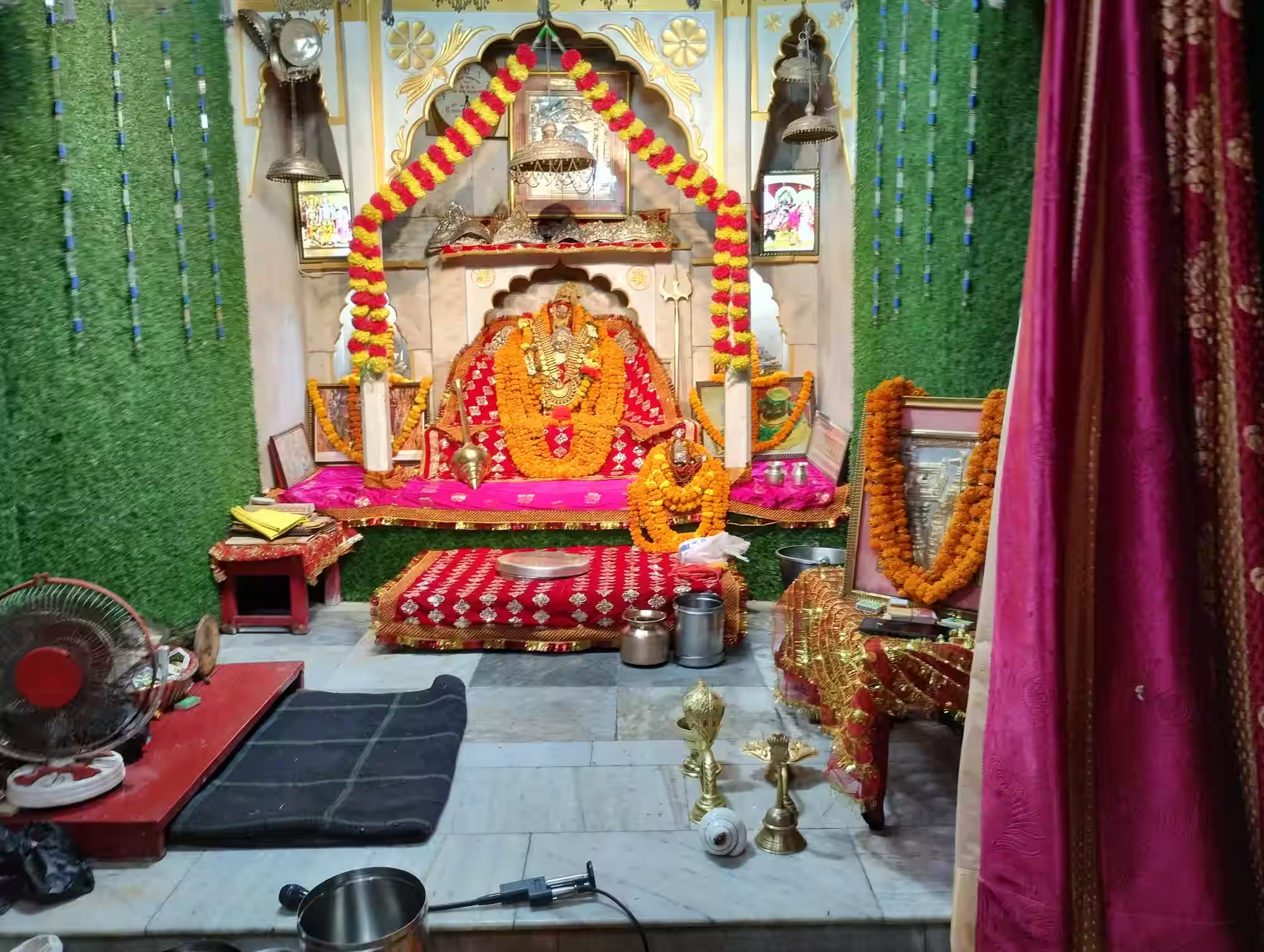
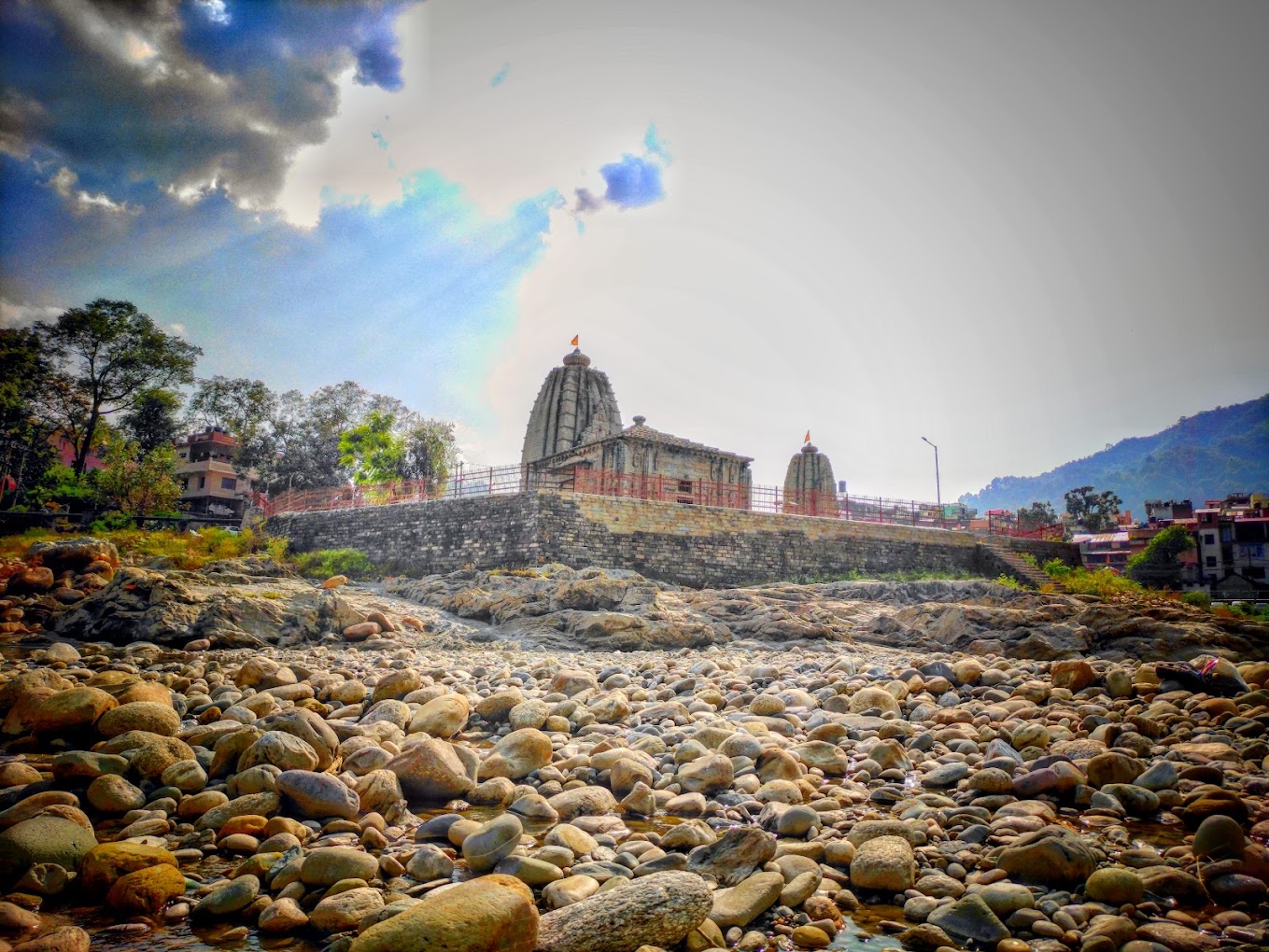
The temple is built in the traditional Himachali architectural style, with intricate carved woodwork on its pillars, doorframes, and panels. Inside the sanctum sanctorum, the idol of Mata Sheetla is beautifully adorned with flowers, a red chunri, and the offerings of devoted worshippers. Visitors consistently describe the atmosphere inside as deeply peaceful — a stillness and warmth that is hard to put into words but easy to feel.
More Than Just a Temple
The Sheetla Mata Temple at Mandi’s Sundernagar is not simply a religious destination — it is where faith, history, and the raw beauty of the Himalayas converge into a single, unforgettable experience. Whether you climb these Bhounn hills as a devotee seeking the goddess’s grace or as a traveller drawn by the valley’s magnificent views, you will leave with something that no guidebook can fully capture.
Come with an open heart, and Mata Sheetla will not leave you empty-handed.