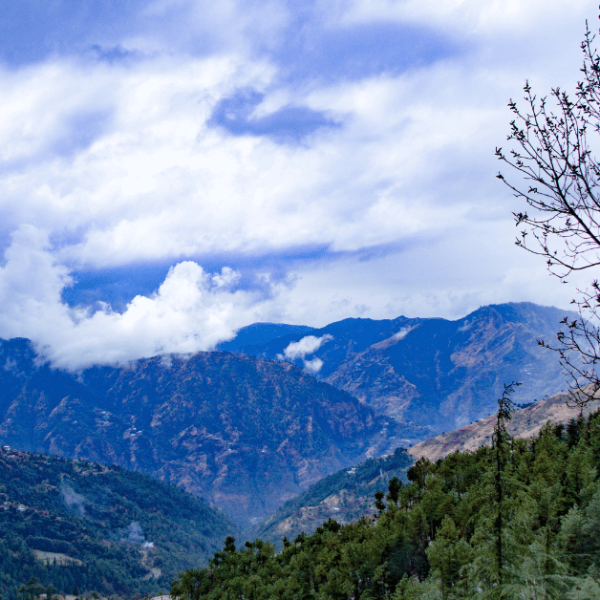
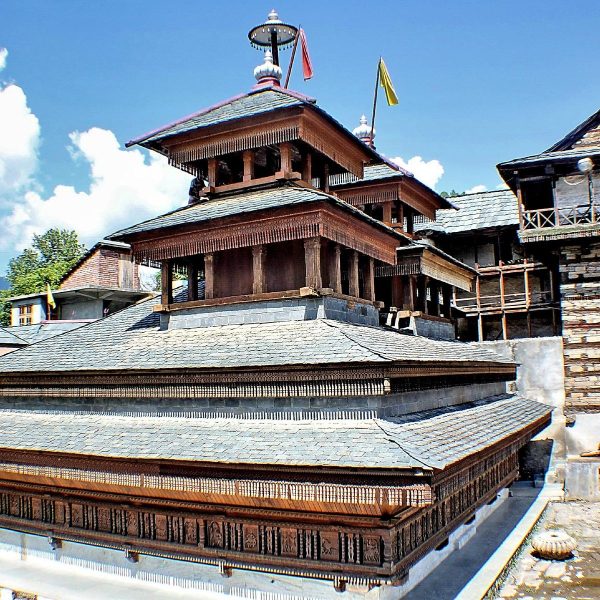
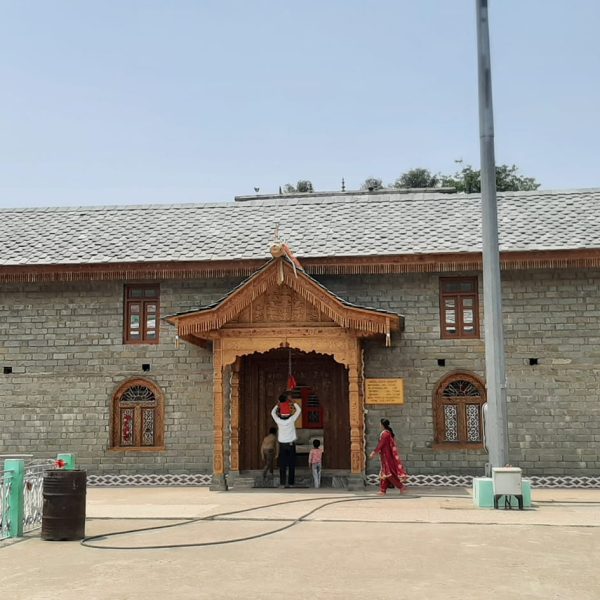
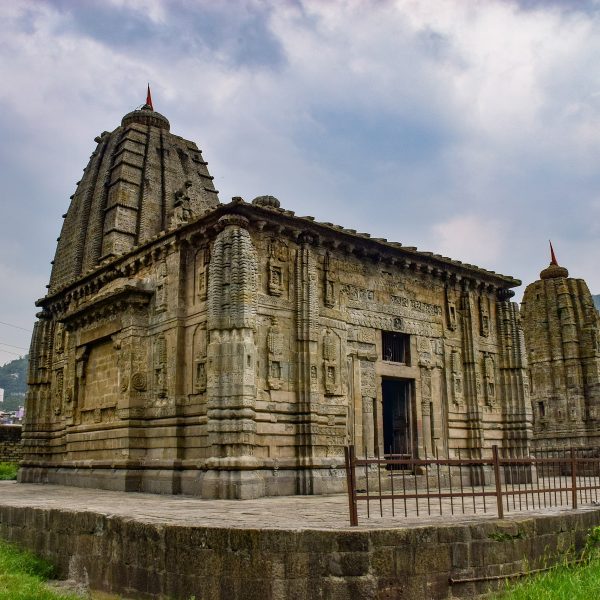
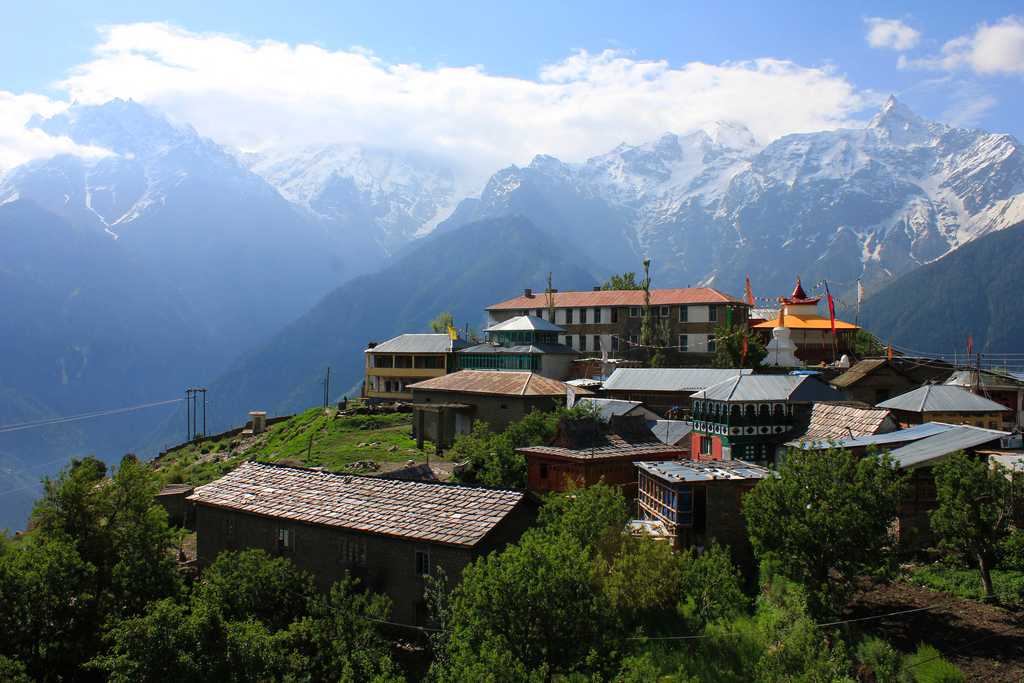
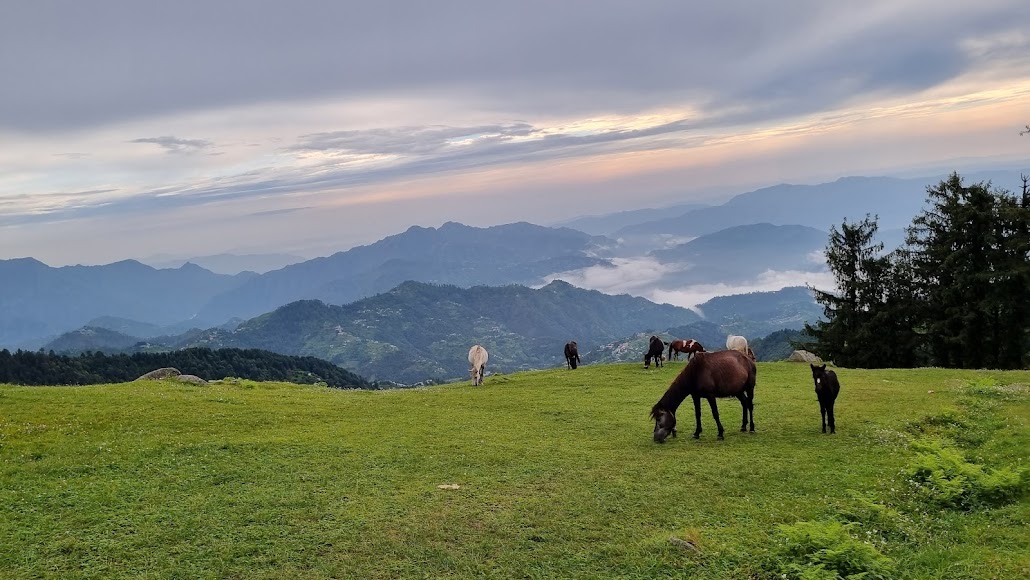
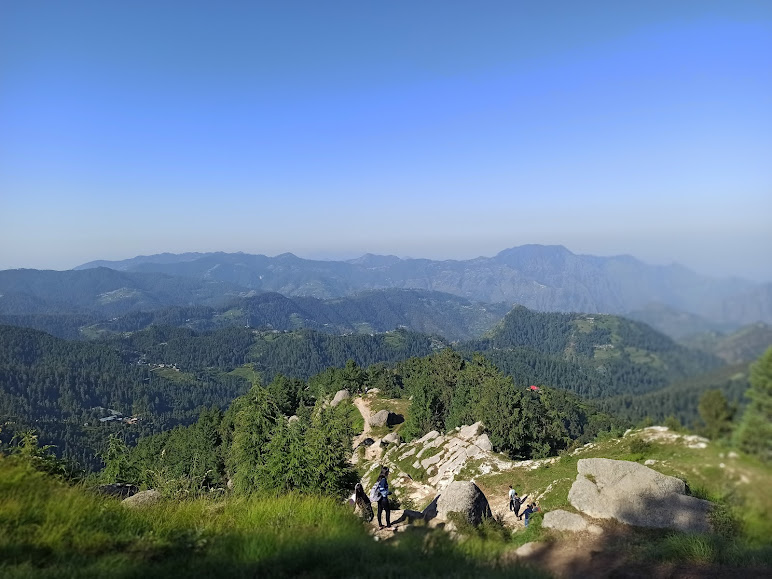
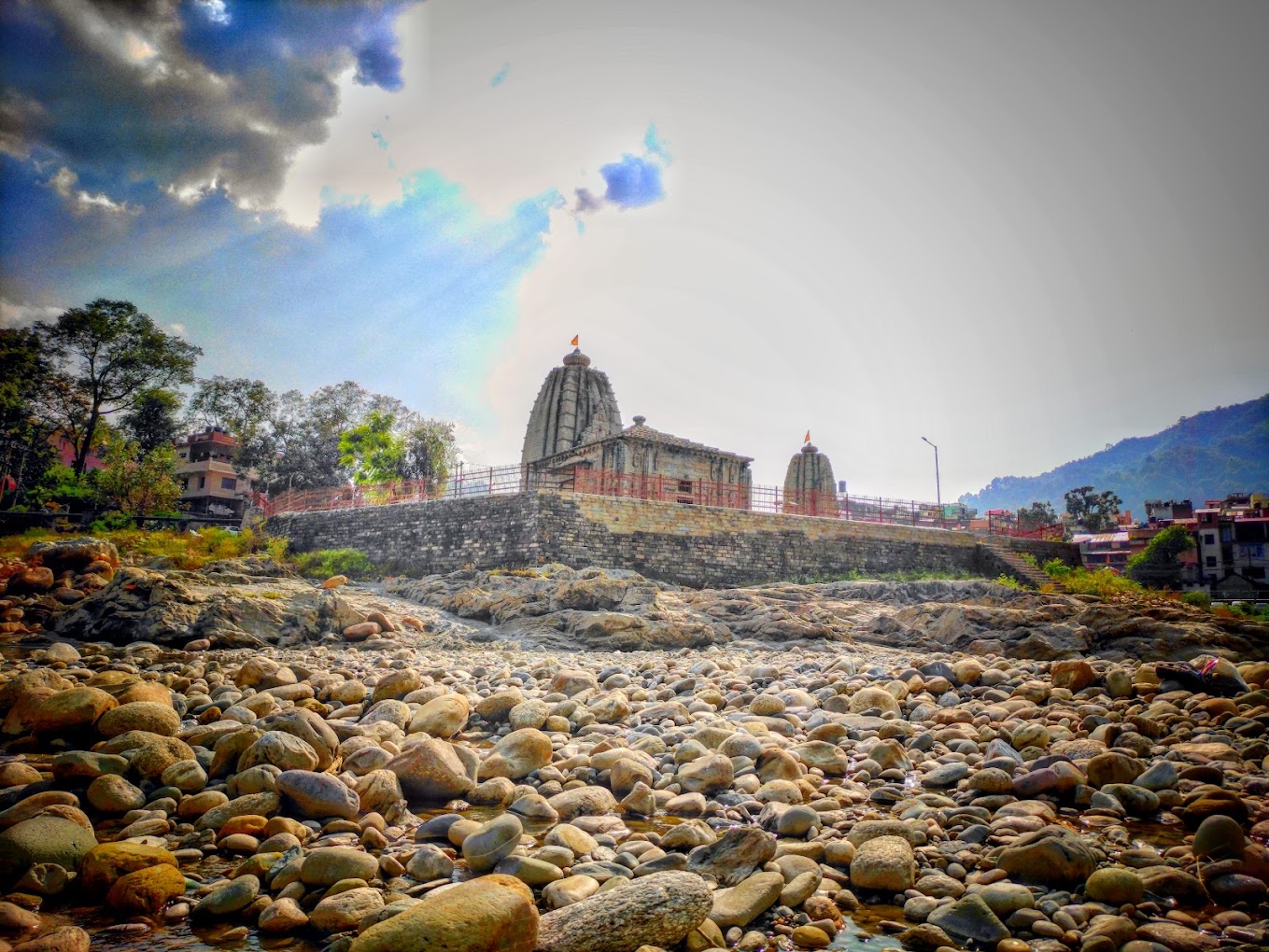
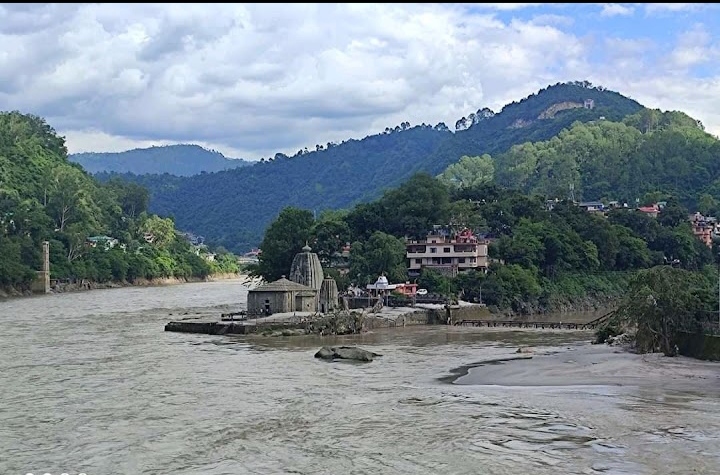
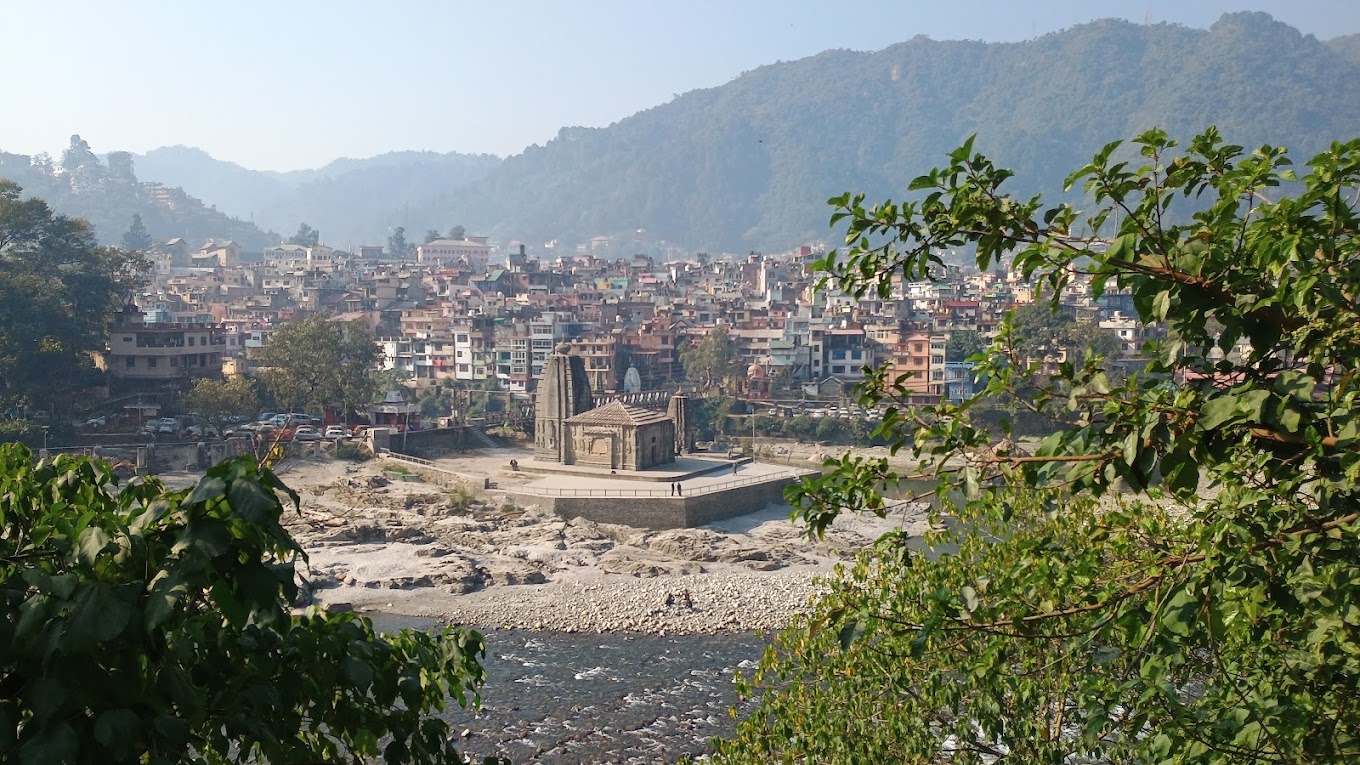
Sangla Buddhist Monastery is a quiet and beautiful place in the Baspa Valley of Himachal Pradesh. It sits near Sangla village in the Kinnaur district. Tall mountains surround it on all sides. The Baspa River flows nearby, adding a soft, calming sound to the air. When you arrive, everything feels peaceful and slow. It is the kind of place where you naturally lower your voice and walk gently.
This monastery is not crowded like big tourist sites. It feels personal and welcoming. You may see monks going about their daily routine. Prayer flags move softly in the mountain wind. The fresh air and silence make it easy to relax. Many travelers visit just to experience this calm feeling.
Location and How to Reach
Sangla Buddhist Monastery is located in Sangla Valley, one of the most beautiful valleys in Himachal Pradesh. The nearest airport is in Shimla, though many travelers come by road. From Shimla, the journey takes several hours through winding mountain roads. The drive is long but incredibly scenic. You will pass forests, rivers, cliffs, and small villages.
If you are traveling from Delhi, you can first reach Shimla by bus, train, or car. From Shimla, buses and taxis go toward Kinnaur district. Sangla lies off the main highway, so a local taxi is usually needed for the final stretch. The road becomes narrower as you go deeper into the valley.
Traveling during daylight is strongly recommended. Mountain roads can feel difficult at night, especially for first time visitors. Starting early in the morning helps you avoid delays and enjoy the views. The journey itself becomes a memorable part of the trip.
First Impressions
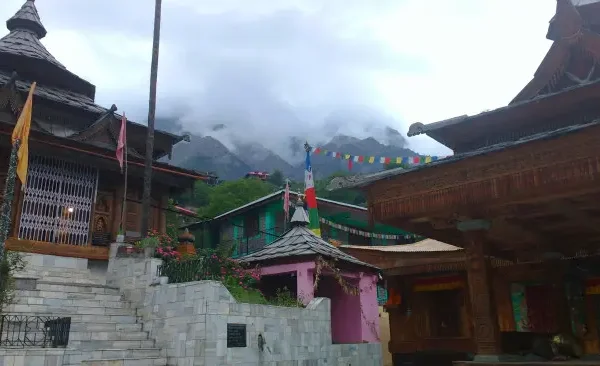
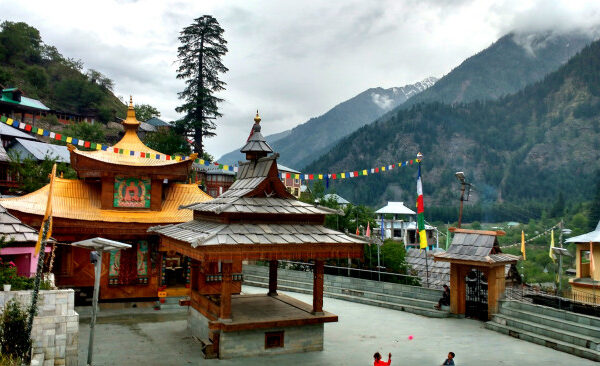
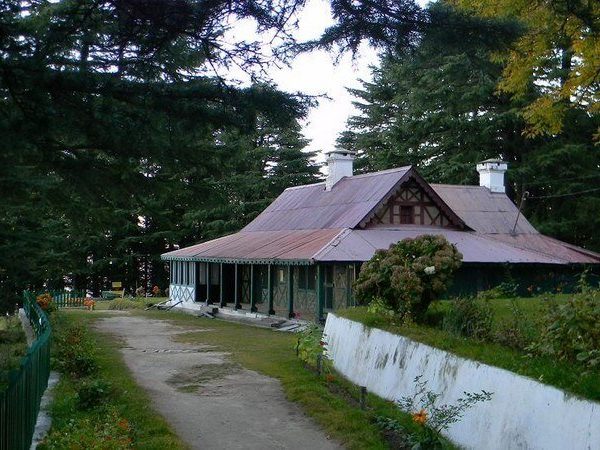
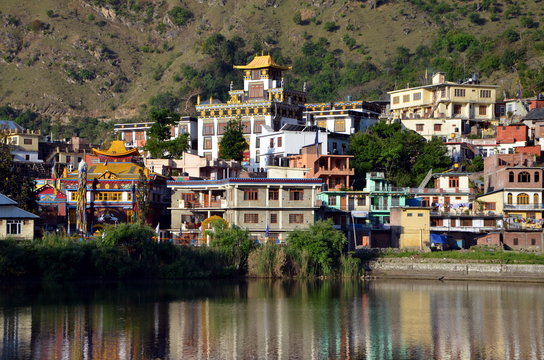
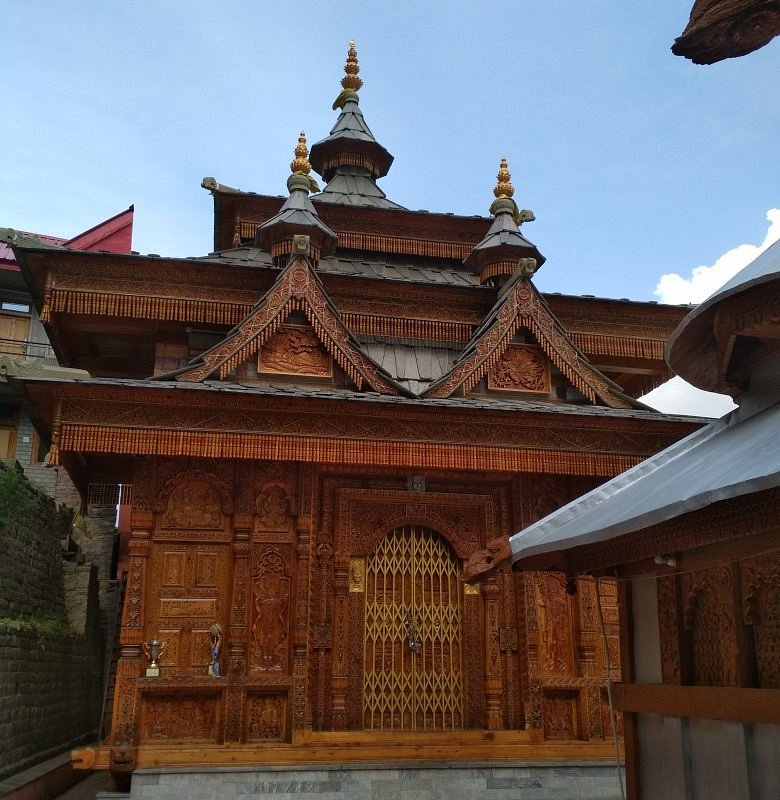
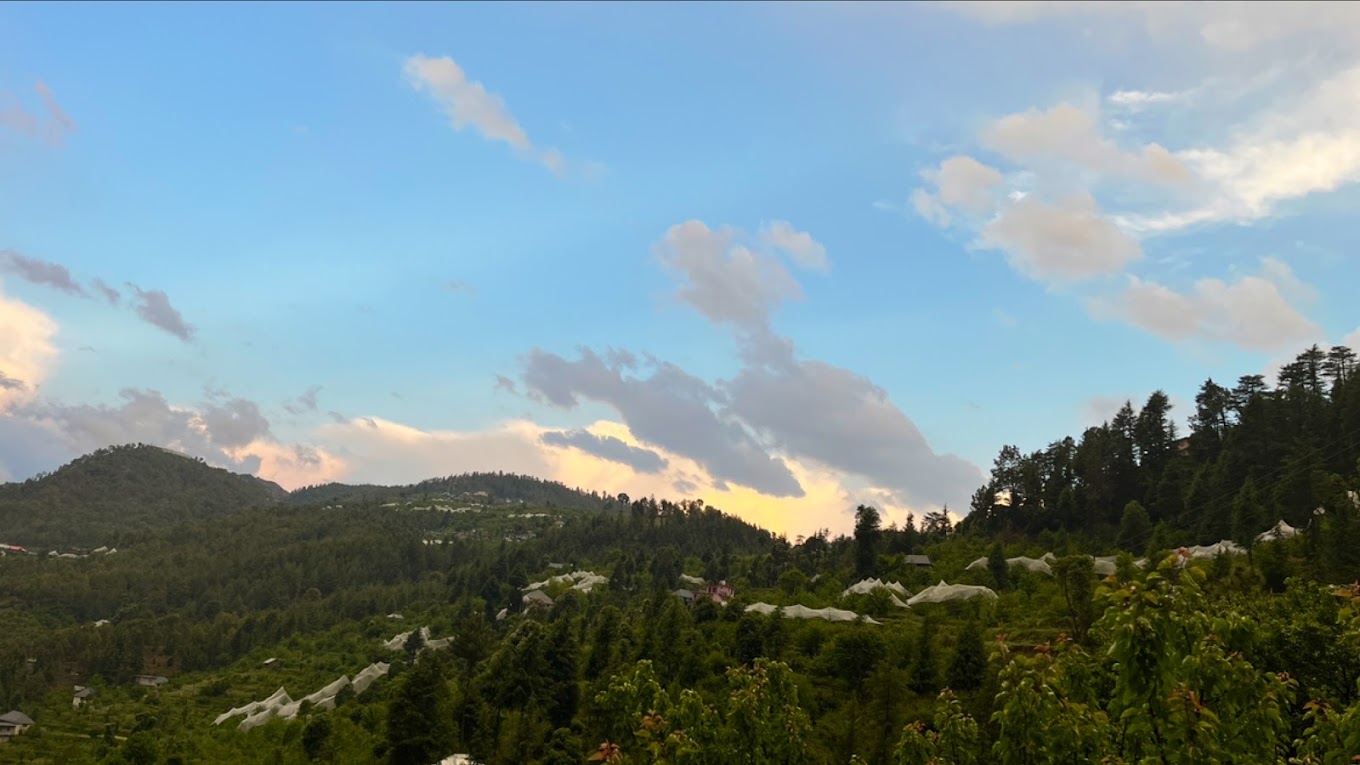
As you approach the monastery, the setting feels almost magical. Traditional houses, apple orchards, and tall pine trees surround the area. The monastery building stands out with its bright colors and peaceful design. Snow covered peaks often rise in the background, depending on the season.
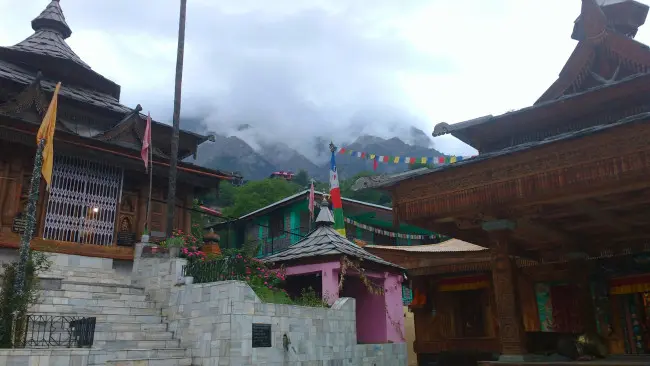
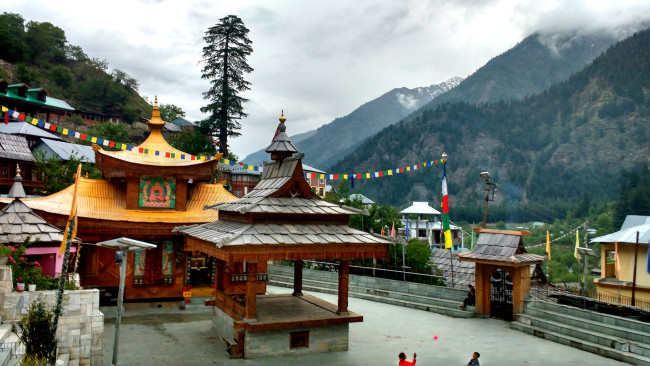
The courtyard feels calm and open. You may hear prayer chants or the gentle ringing of bells. Visitors often pause here just to take in the scenery. The place feels both simple and deeply meaningful. It is easy to understand why monks choose such locations for meditation.
History and Heritage
Sangla Buddhist Monastery reflects the strong Tibetan Buddhist influence in the Kinnaur region. Buddhism has been practiced here for centuries. The monastery serves as a center for prayer, learning, and community gatherings. Local people visit during festivals and important religious days.
Over time, the building has been repaired and maintained by monks and villagers. It represents a living tradition rather than just an old monument. Religious teachings, rituals, and cultural practices continue here daily. This makes the monastery feel alive rather than historical.
Visitors often notice how closely religion and daily life are connected in this region. The monastery plays a central role in that connection. It is both a spiritual home and a cultural landmark.
Architecture and Art
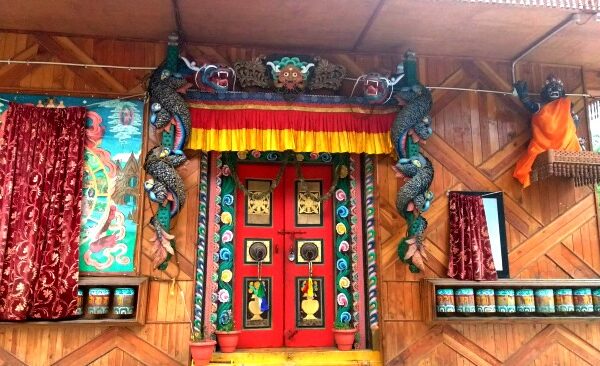
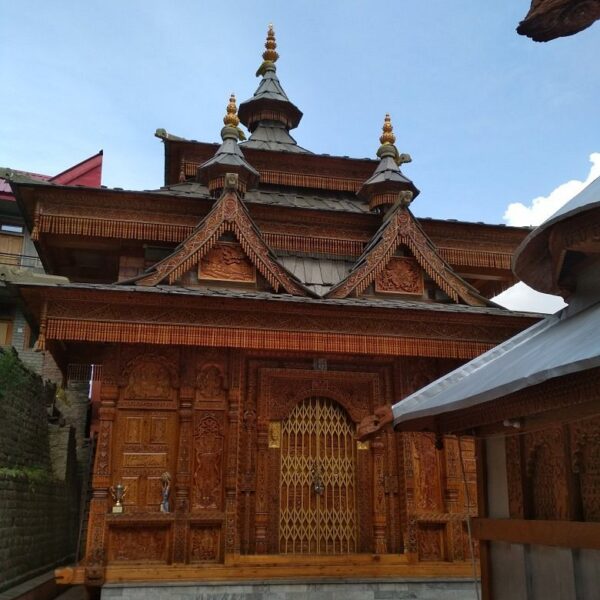
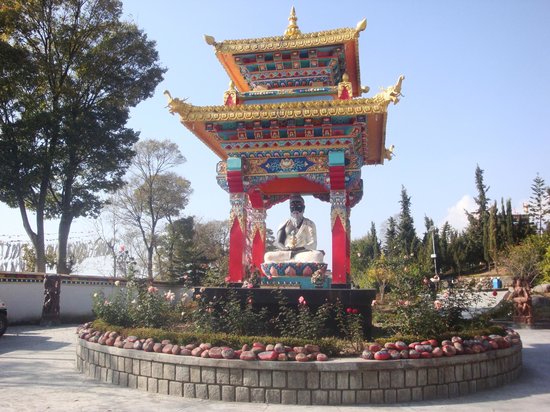
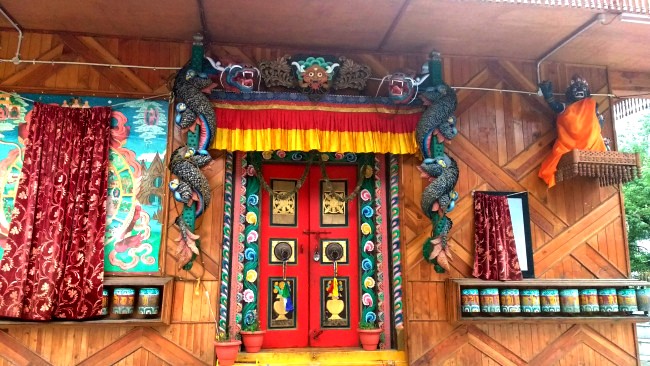
The monastery shows traditional Tibetan Buddhist architecture. Bright colors like red, yellow, blue, and white are used throughout the building. These colors have spiritual meanings. The structure looks simple from far away but very detailed up close.
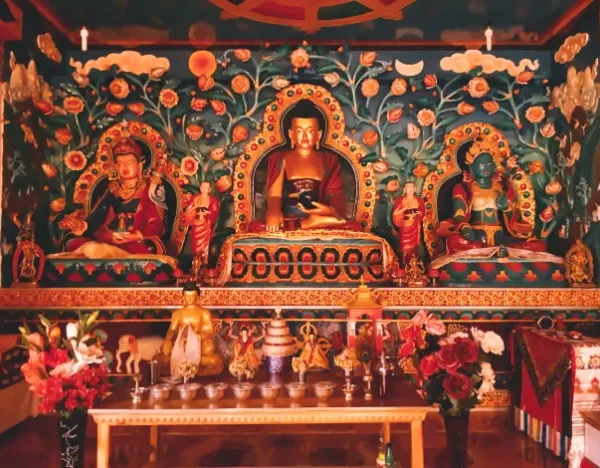
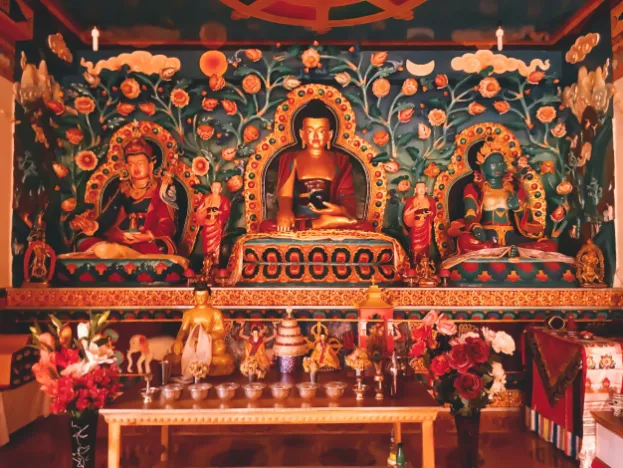
Inside, the prayer hall contains statues of Buddha and other sacred figures. Walls are decorated with paintings that tell stories from Buddhist teachings. Butter lamps give off a soft golden light. The smell of incense fills the air, creating a warm and calming atmosphere.
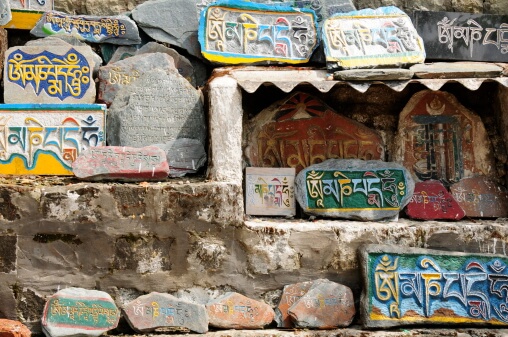
Prayer wheels are placed around the complex. Visitors gently spin them while walking clockwise. It is believed that this action spreads positive energy and blessings. Even for non believers, the movement feels peaceful and meditative.
Spiritual Significance
For local Buddhists, this monastery is a sacred place of worship and learning. Monks live here and follow a daily routine of prayer and meditation. Their lifestyle is simple and disciplined. Visitors are welcome but should behave respectfully.
Silence is appreciated inside prayer areas. Loud talking or disruptive behavior feels out of place here. Sitting quietly and observing the surroundings can be a powerful experience. Many people say they feel calm just being there.
The monastery also hosts festivals and special ceremonies during the year. These events include chanting, rituals, and community gatherings. If you happen to visit during such a time, you will see a more vibrant side of the monastery.
Best Time to Visit
The best time to visit Sangla Buddhist Monastery is from May to October. During these months, the weather is pleasant and roads are open. Days are comfortable for exploring, and views are usually clear. The valley looks green and full of life.
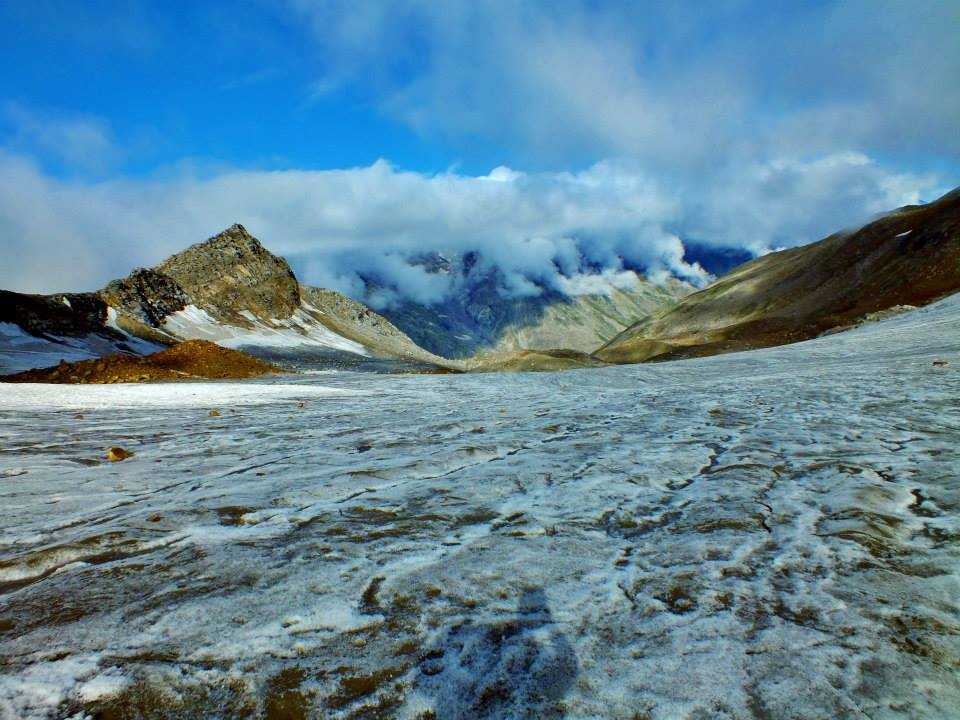
Winter months bring heavy snowfall. From November to April, travel can become difficult. Roads may close, and temperatures drop sharply. However, the snow covered landscape looks stunning if you are prepared for the cold.
Monsoon season brings rain and occasional landslides. Travel is possible but less predictable. Checking weather conditions before the trip is always wise.
What to Wear
Even in summer, the weather in Sangla can feel cool. Light woolens or a jacket are useful during mornings and evenings. Comfortable walking shoes are important because paths may be uneven. Sunglasses and sunscreen can help protect against the strong mountain sun.
In winter, heavy woolens are essential. Thick jackets, gloves, caps, and thermal wear will keep you warm. Snow boots may be needed if there is deep snow. Dressing in layers helps you stay comfortable throughout the day.
When visiting the monastery, modest clothing is recommended. Avoid very short or revealing outfits. Simple dress shows respect for the religious nature of the place.
Food and Dining
Food options in Sangla are simple but tasty. Small restaurants and guesthouses serve North Indian and Tibetan dishes. Momos, noodles, rice, dal, and vegetable curries are common meals. Everything is warm and filling, perfect for cold weather.
Local ingredients make the food fresh and healthy. Apples from nearby orchards are especially popular. Carrying snacks and water is helpful if you plan to explore the area. At higher altitudes, you may feel thirsty more often.
Hot tea is available almost everywhere. Sitting with a cup of tea while looking at mountains feels incredibly comforting. Many travelers say this simple moment becomes unforgettable.
Where to Stay
Sangla offers several accommodation options, from budget guesthouses to comfortable hotels. Many places provide rooms with stunning views of the valley. Staying overnight allows you to enjoy sunrise and sunset, which are truly beautiful here.
Homestays are a popular choice for travelers who want a personal experience. Local families offer warm hospitality and homemade food. You also get a chance to learn about local culture and lifestyle. Facilities may be simple but the experience feels genuine.
Booking in advance is recommended during peak tourist season. Winter visitors should confirm heating arrangements. Nights can be extremely cold.
Travel Tips for Visitors
Start your visit early in the day to enjoy peace and clear views. Carry cash because digital payments may not work in remote areas. Mobile signals can be weak, so do not rely completely on the internet.
Walk slowly and take time to absorb the surroundings. This is not a place to rush through. Respect local customs and keep noise low. Photography is usually allowed outside, but asking before taking close photos is polite.
Final Thoughts
Sangla Buddhist Monastery is more than just a sightseeing stop. It is a place of peace, reflection, and natural beauty. The calm atmosphere, colorful architecture, and mountain backdrop create a truly special experience. Whether you are spiritual or simply curious, the visit feels meaningful.
If you are traveling to Kinnaur or Sangla Valley, this monastery deserves a place on your itinerary. It shows a quieter side of the Himalayas, one that stays in your memory long after you leave. Sometimes the most peaceful places are the ones that touch you the most. This monastery is definitely one of them.