First thoughts when people hear about the Gue Mummy
The Gue Mummy sounds mysterious at first. Many people feel curious right away. Some feel unsure. Others feel amazed. A body preserved for hundreds of years feels unreal. Yet this story is very real and deeply rooted in the mountains.
When visitors reach Gue village, the feeling changes. The place is quiet. Life moves slowly. The mummy is not treated as a show. It is treated with respect.
Gue Mummy history
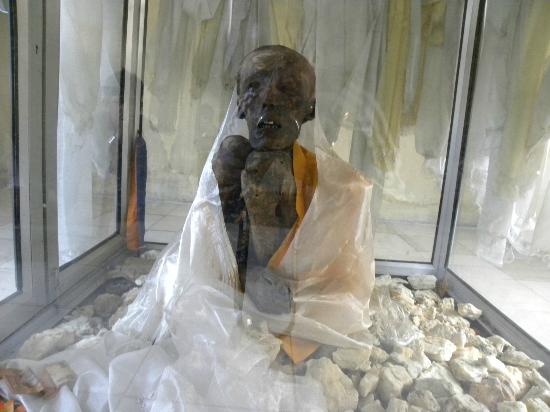
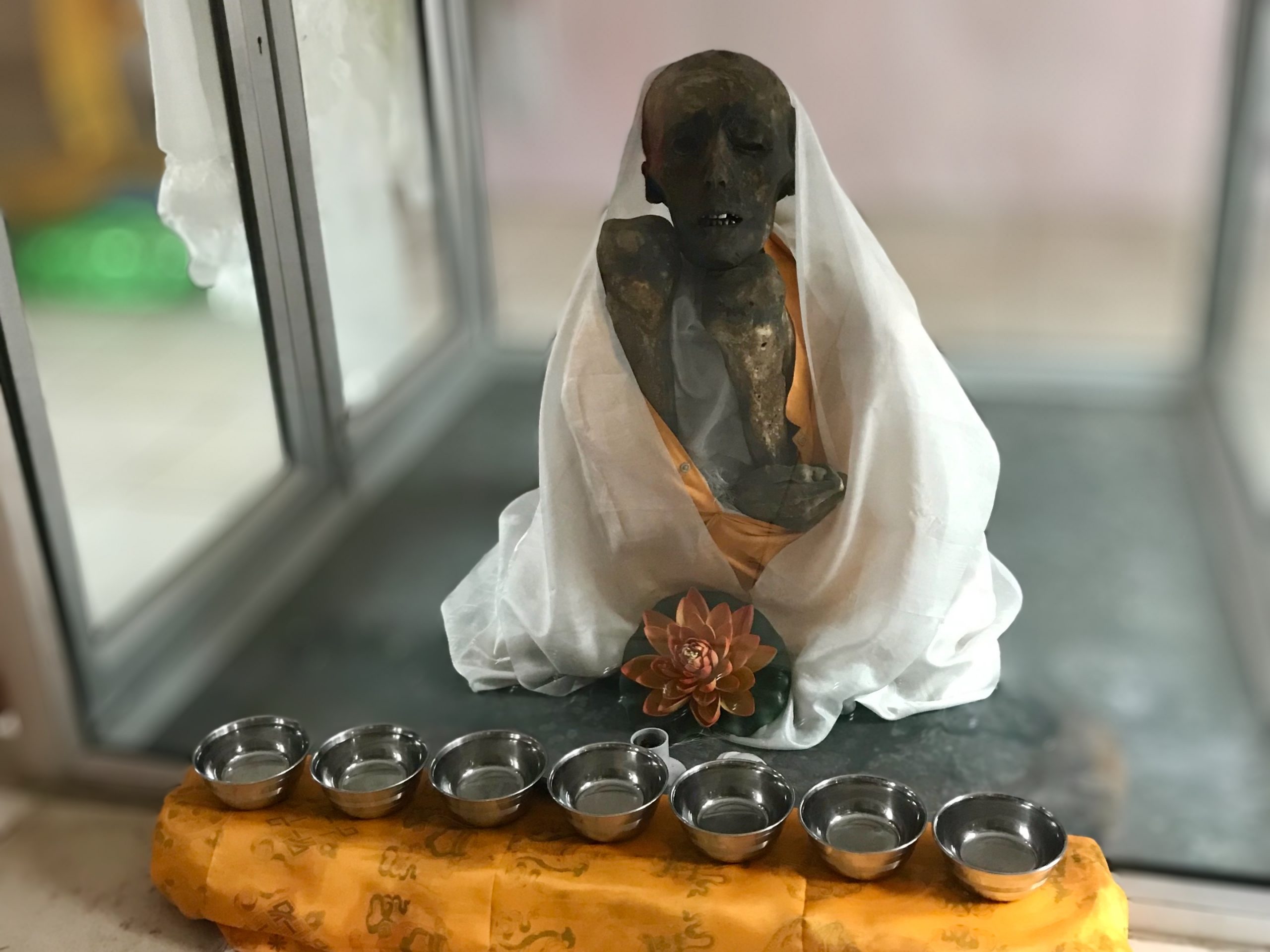
The Gue Mummy is believed to belong to a Buddhist monk. His name is often said to be Sangha Tenzin. He lived around the 15th century. It is believed he practiced deep meditation. Legends say he chose to leave his body during meditation.
Local stories say the monk sat in a meditation posture. Over time, his body dried naturally. The cold and dry climate helped preserve him. No chemicals were used. This makes the story even more powerful.
How the mummy was discovered
The mummy was not always displayed. For many years, it remained hidden. An earthquake in the area revealed the body. Locals found it inside a small chamber.
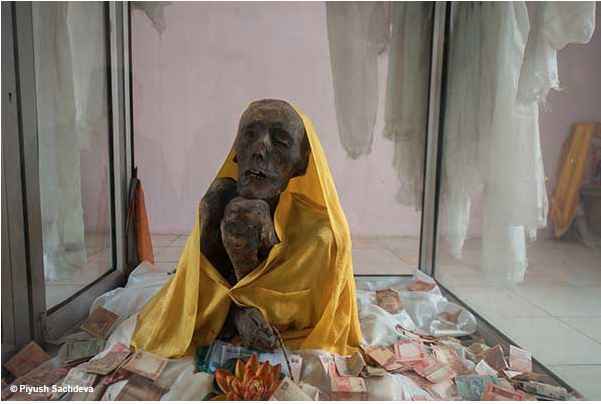
When people saw the body, they were shocked. Skin and hair were still visible. The posture was calm. The village elders decided to protect it. That is how the Gue Mummy became known.
Gue Mummy scientific analysis
Scientists later examined the mummy. Tests showed that no artificial process was used. The preservation happened naturally. The dry air and high altitude played a big role. This surprised many experts.
The organs inside the body were still present. Skin texture was still visible. This is rare. Scientists believe meditation may have slowed decay. Even today, research continues quietly.
What makes the mummy unique
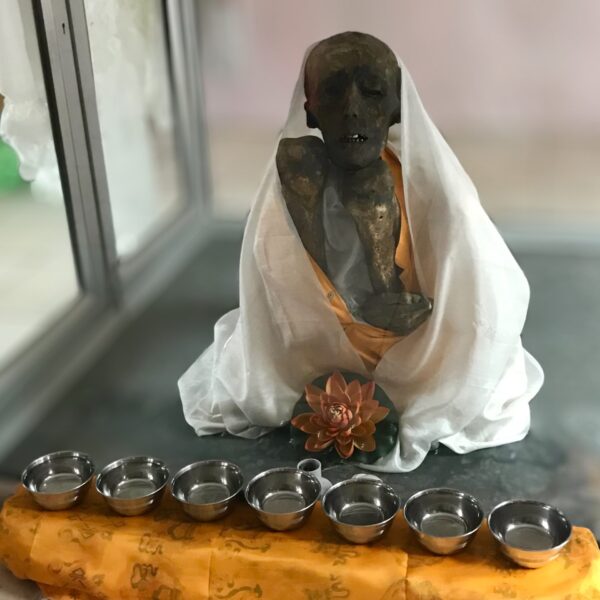
Many mummies are wrapped or treated. The Gue Mummy is not. The body sits openly. The posture is still upright. This makes it different from others around the world.
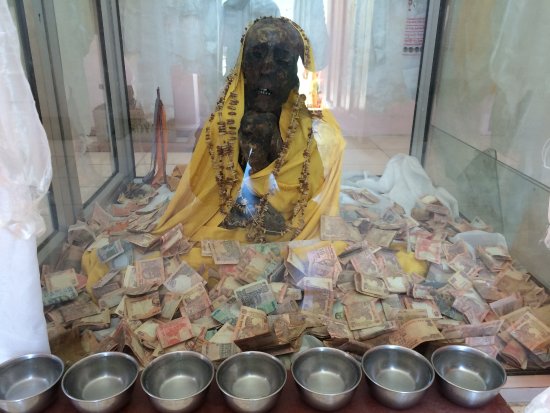
The face still shows features. Teeth and hair are visible. This makes the experience emotional. Visitors often feel silent when they see it. Words feel unnecessary.
Gue Mummy cultural significance
For the local people, the mummy is sacred. It is not seen as a dead body. It is seen as a teacher. Many believe the monk reached a high spiritual state.
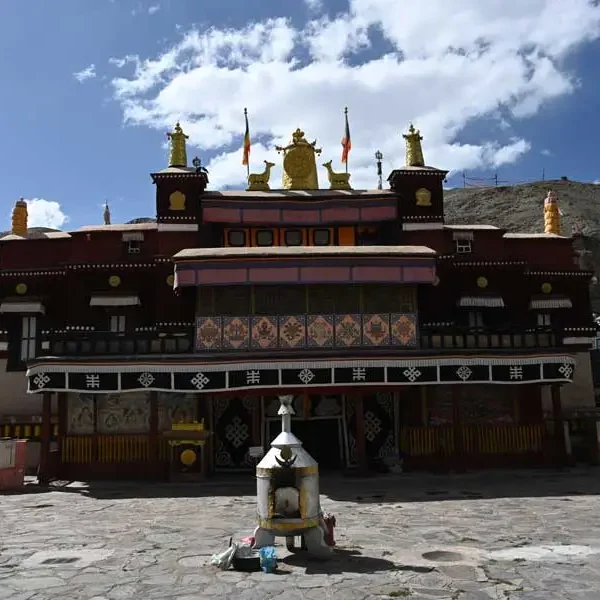
People bow their heads when entering the room. Offerings are placed quietly. The space is treated like a shrine. This respect has continued for generations.
Religious beliefs around the mummy
In Buddhism, deep meditation is important. Some monks aim to reach enlightenment through it. The Gue Mummy is believed to show this path. That belief gives it deep meaning.
Monks and pilgrims visit from different regions. They come to reflect. Some meditate nearby. The place feels calm and serious.
Where Gue village is located
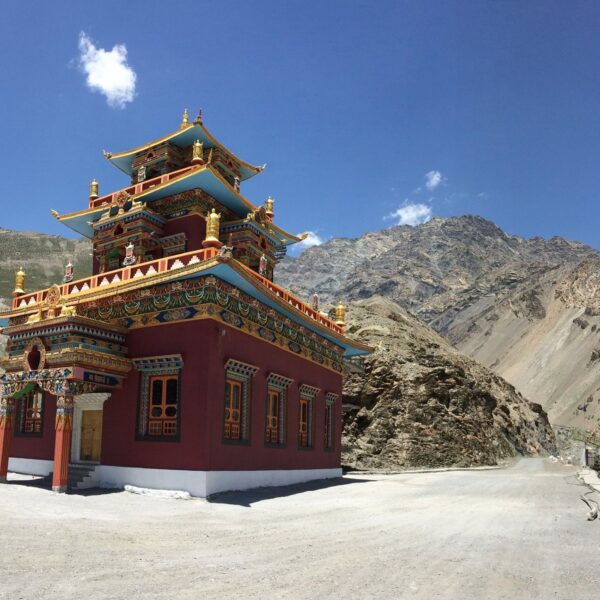
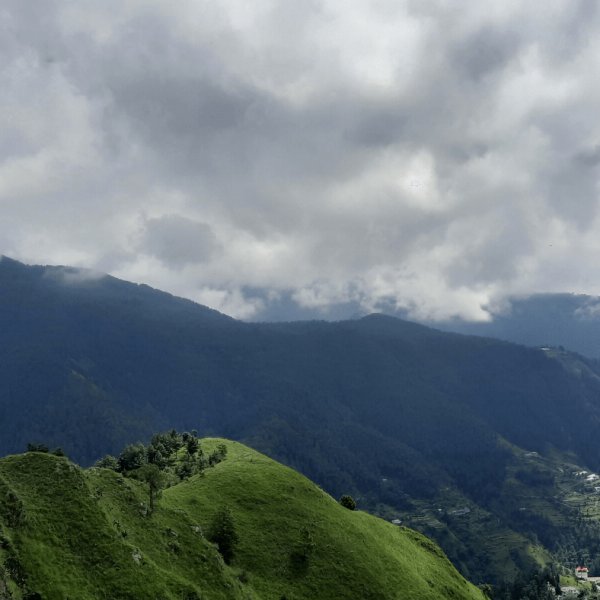
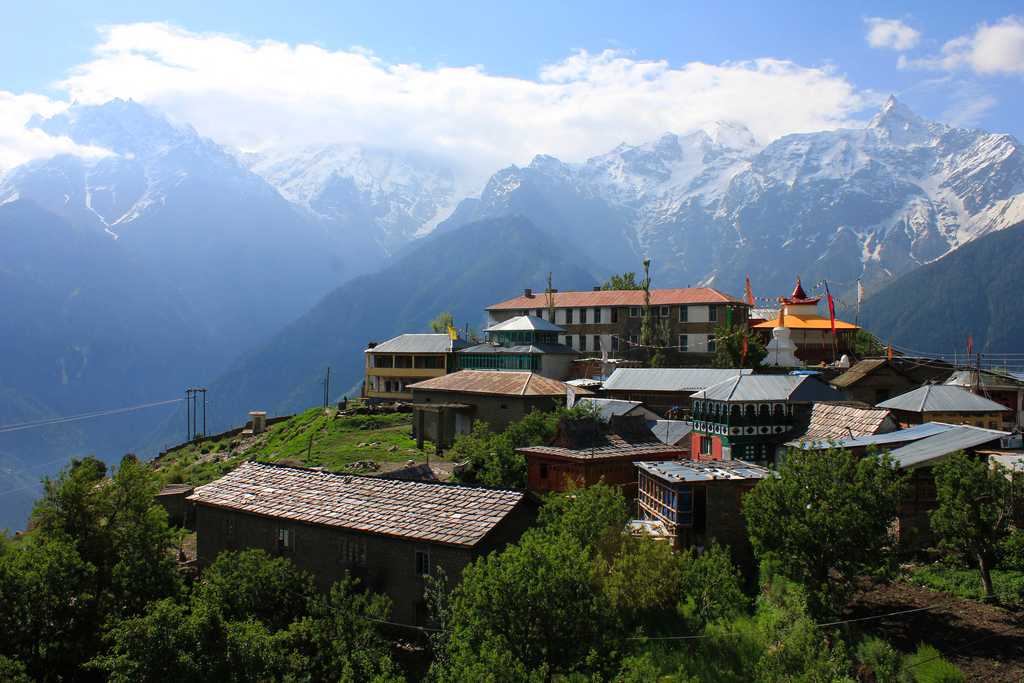
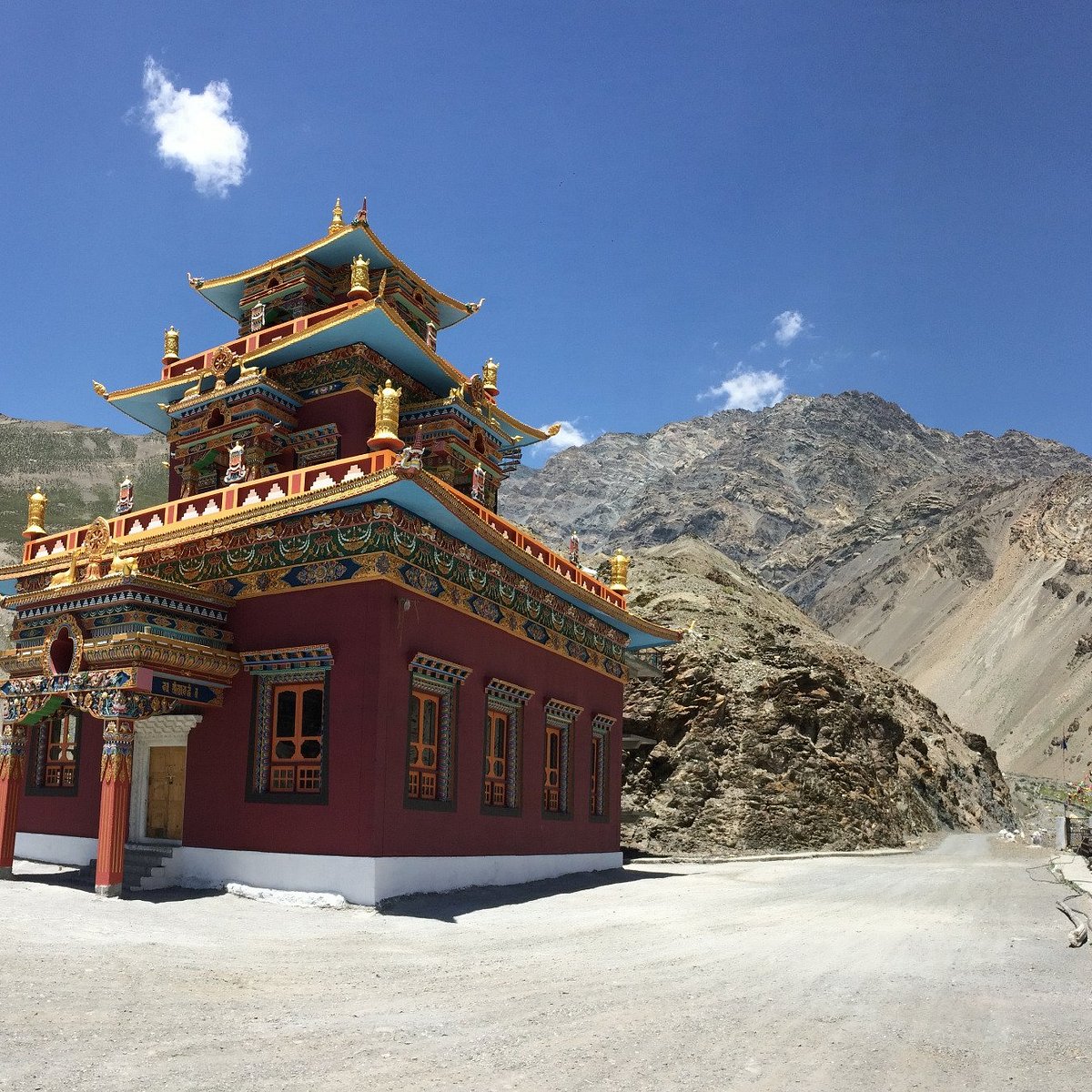
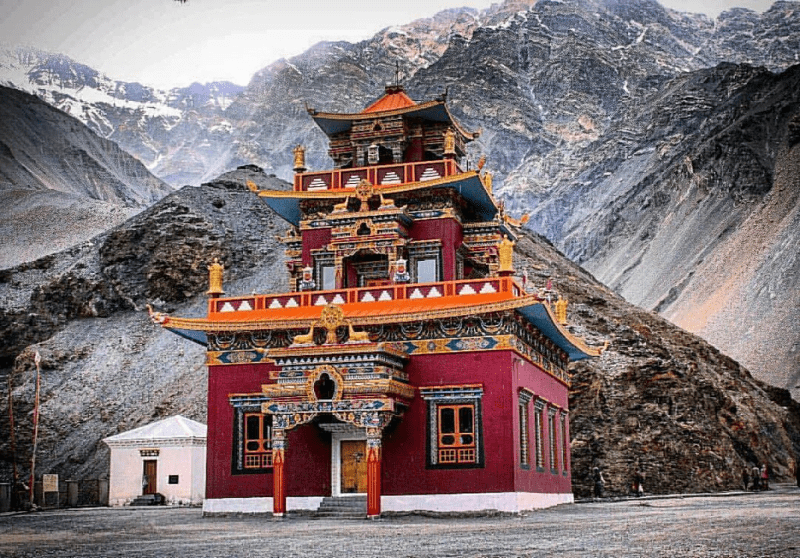
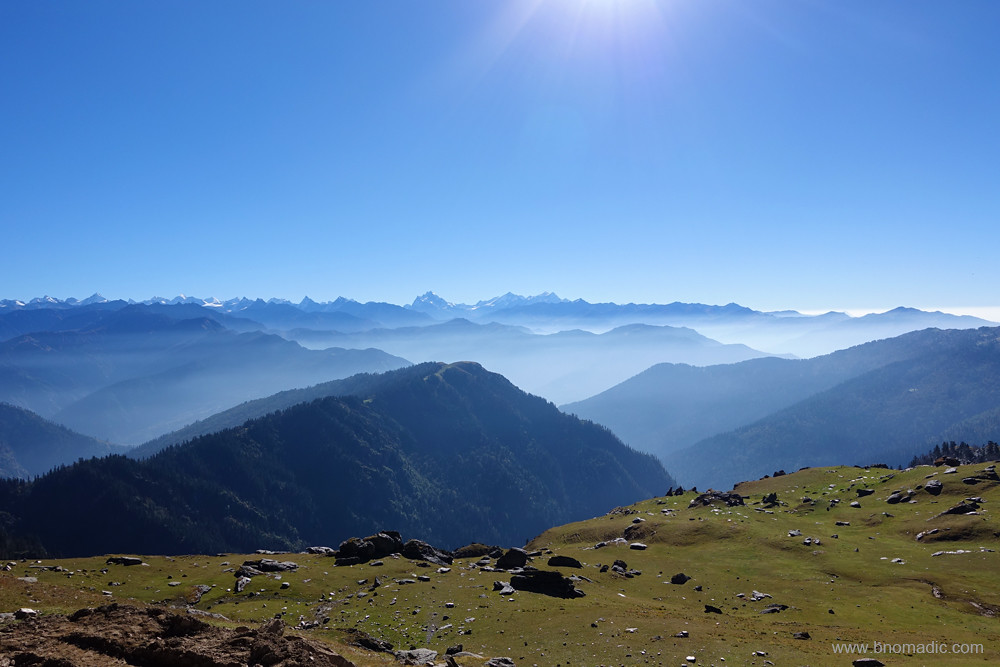
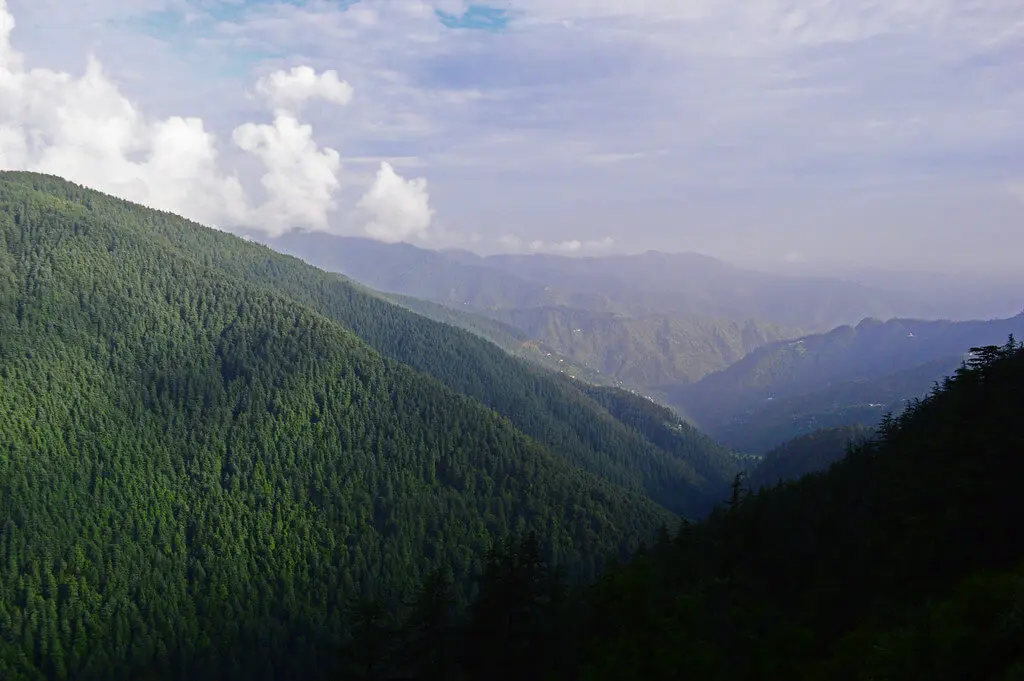
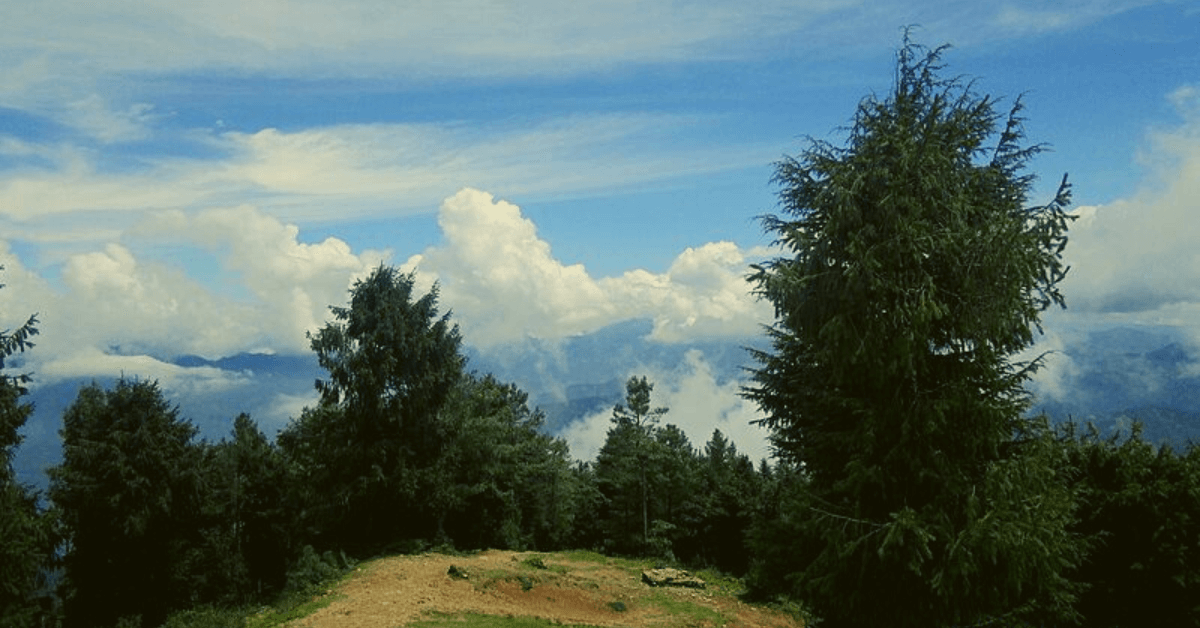
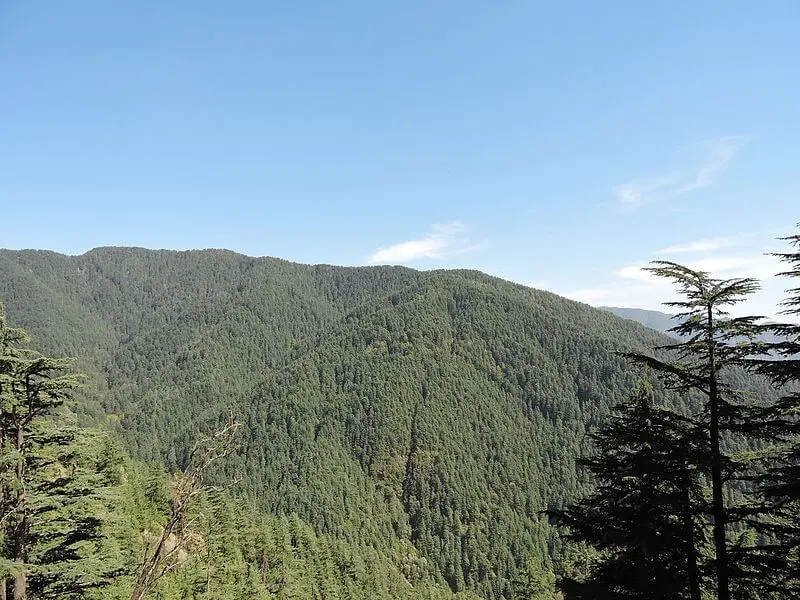
Gue village is in the Spiti Valley of Himachal Pradesh. It is close to the India Tibet border. The village is small and quiet. Mountains surround it on all sides.
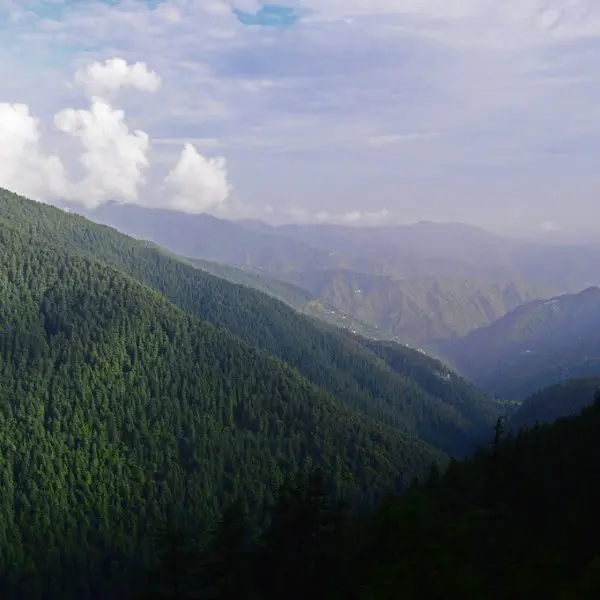
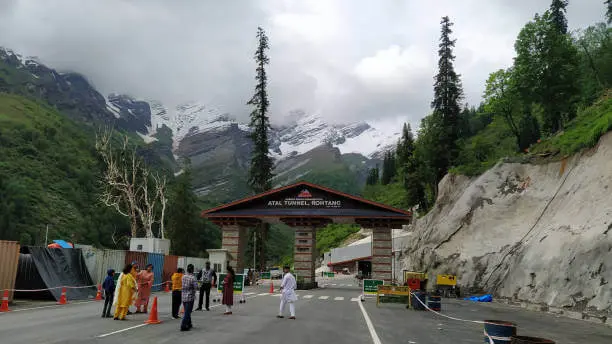
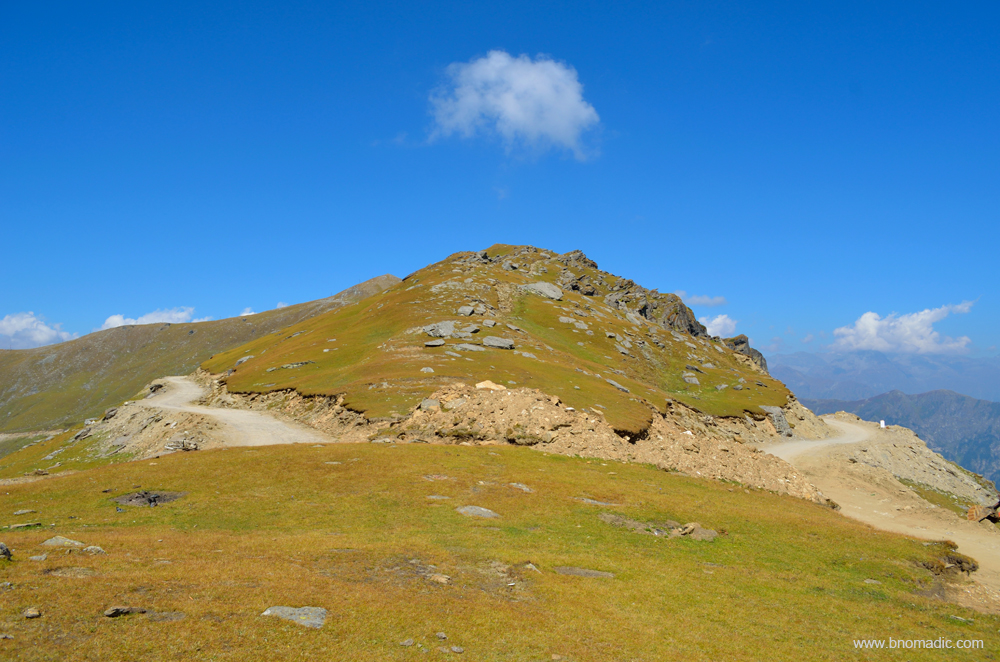
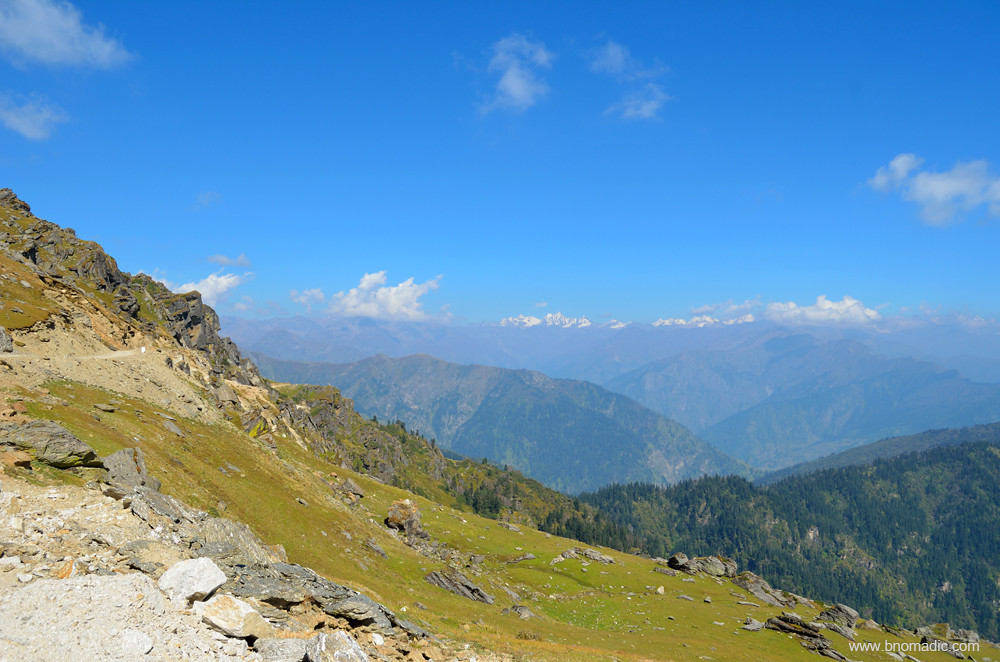
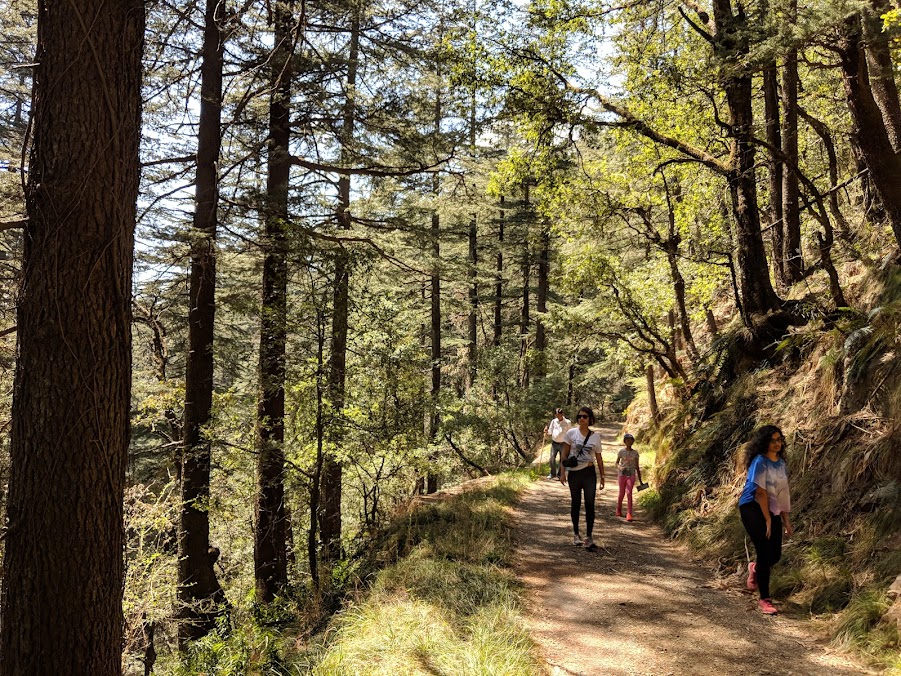
The road to Gue passes through scenic views. Rivers and cliffs appear along the way. The journey feels remote. That adds to the experience.
How to reach the Gue Mummy
The nearest town is Kaza. From Kaza, Gue is around 25 kilometers away. Taxis are the best option. Roads are narrow and rough in places.
The journey can take a few hours. Weather plays a big role. It is best to travel during daylight. Always check road conditions before leaving.
Best time to visit
The best time to visit is between June and September. Roads remain open during these months. Weather is easier to handle. Days are cool and clear.
Winters are harsh. Snow blocks roads. Travel becomes risky. The village becomes very isolated. It is best avoided during that time.
What to wear when visiting
Warm clothing is important. Even in summer, the air feels cold. Jackets and full sleeves help. Comfortable shoes are needed for walking.
Inside the shrine, modest clothing is preferred. Shoulders and legs should be covered. Bright clothes are fine but calm colors feel more respectful. Comfort matters most.
Rules inside the mummy shrine
Photography is usually not allowed. Flash is strictly avoided. Silence is expected. Phones should be kept away.
Visitors are asked not to touch anything. The body is very old and fragile. Respecting rules helps protect it. These rules are followed by locals too.
How the visit feels emotionally
Many visitors feel emotional. Some feel uneasy at first. Others feel peaceful. Seeing the mummy makes people think deeply.
Time feels slower inside the room. The silence feels heavy but calm. People often leave quietly. The experience stays with them long after.
Visiting with children
Children can visit but guidance is important. Explaining the place helps them understand. Loud behavior should be avoided. This keeps the space respectful.
Some children may feel scared. That is normal. Parents should move slowly. Leaving early is fine if needed. The visit should feel safe.
Facilities near the site
There are no shops at the shrine. Carry water with you. Snacks are helpful. Toilets are limited in the area.
Stay options are available in Kaza. Guesthouses and homestays are common. Rooms are basic but warm. Food is local and filling.
Health and altitude tips
Gue village is at high altitude. New visitors may feel tired. Drink water often. Walk slowly.
Headaches can happen. Rest helps. Avoid rushing. Listening to your body is important.
Local life around Gue
Life in Gue village is quiet. People are kind and welcoming. Farming and daily chores shape their days. Visitors are treated with respect.
Talking to locals adds meaning. Many share stories about the mummy. These stories are passed down. They feel personal and heartfelt.
Why the Gue Mummy matters
The Gue Mummy is more than history. It connects belief and nature. Science and faith meet here. That makes it special.
This place is not about fear. It is about stillness. Visitors leave with questions. And sometimes, with peace they did not expect.