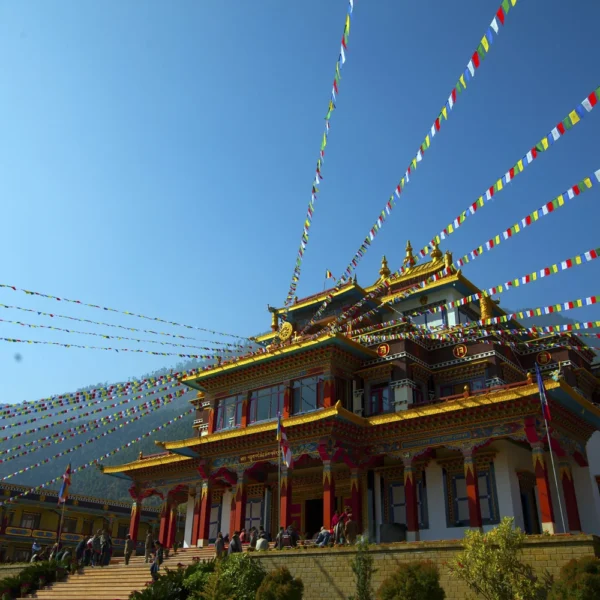
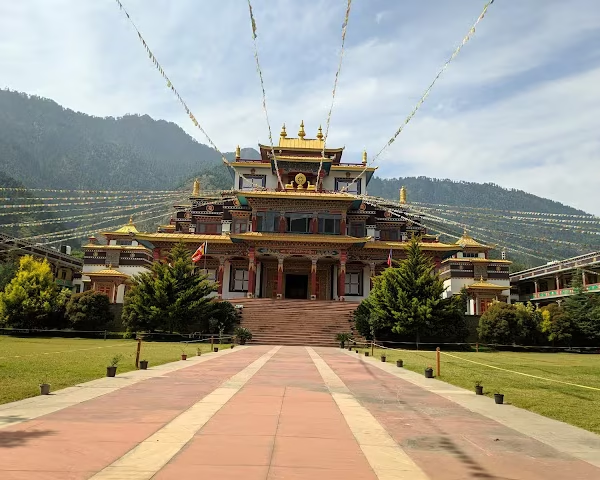
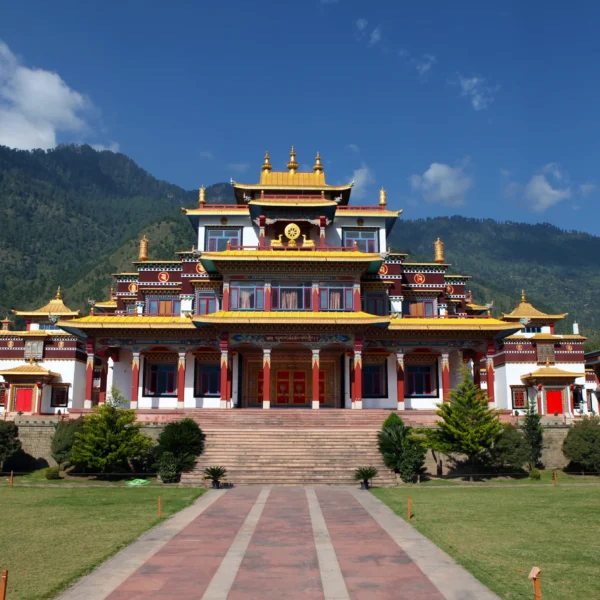
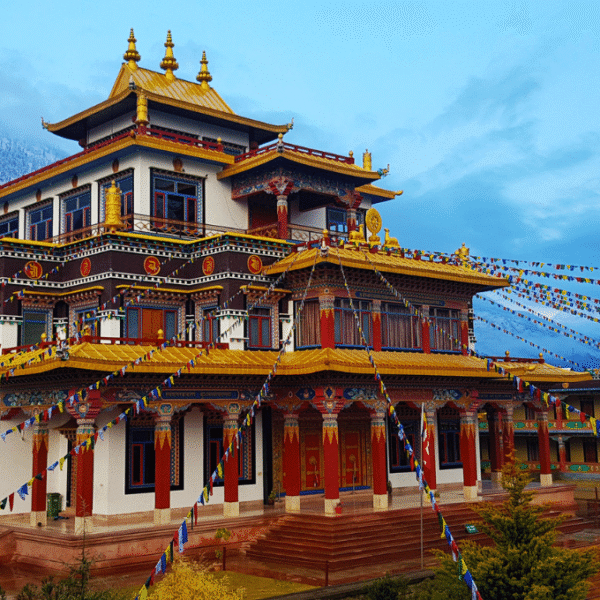
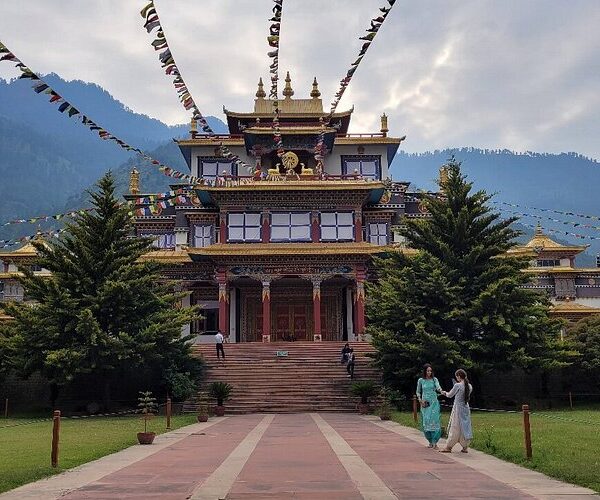
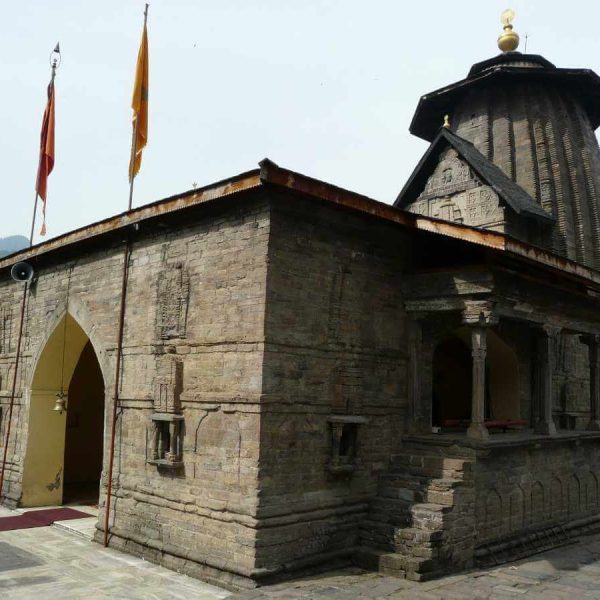
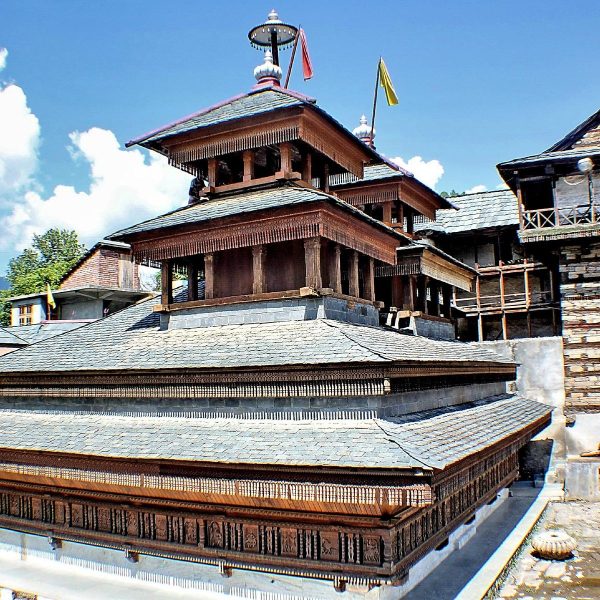
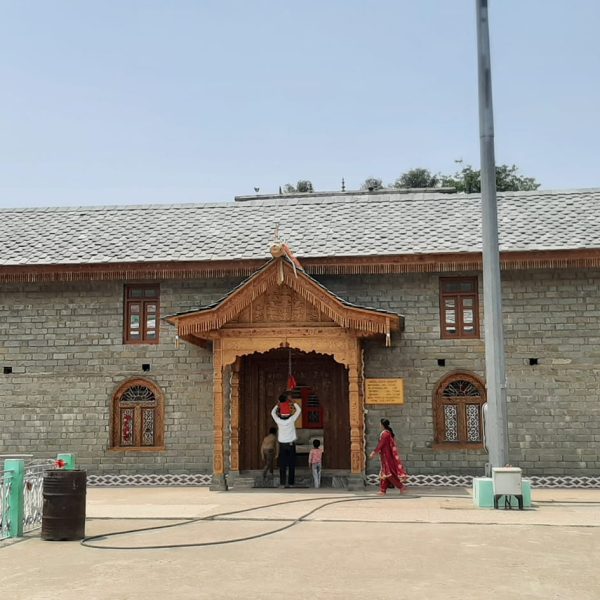
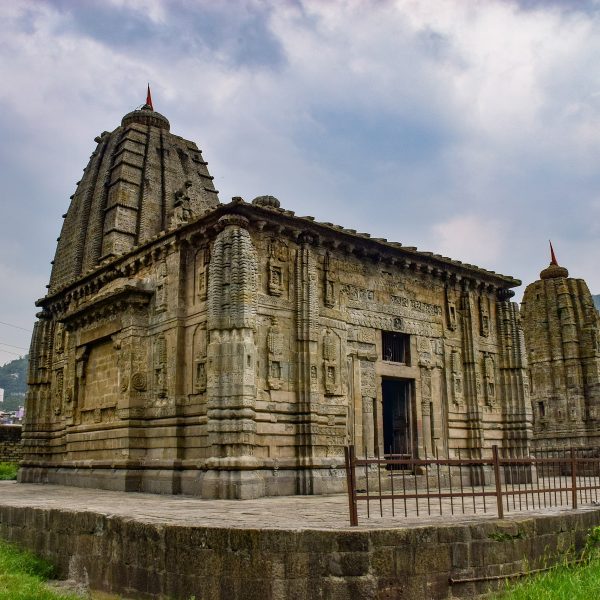
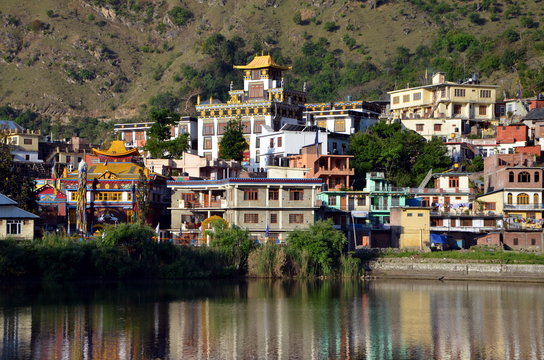
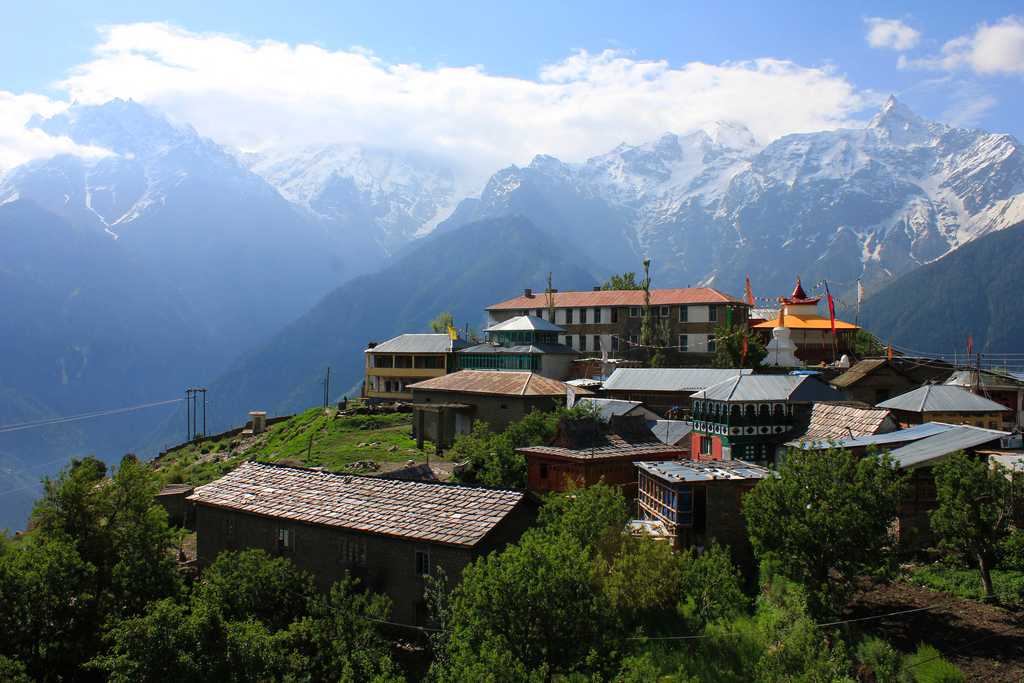
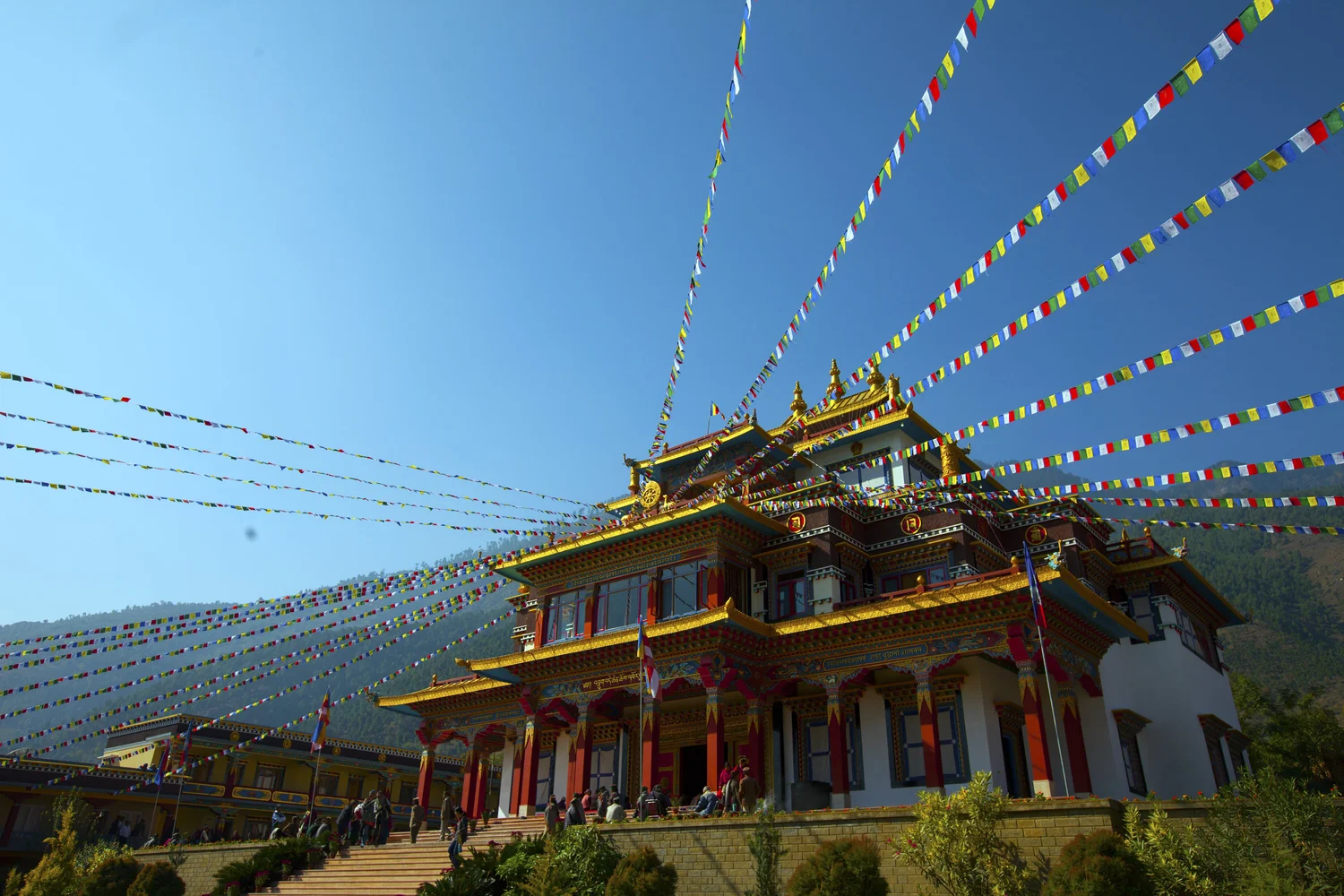
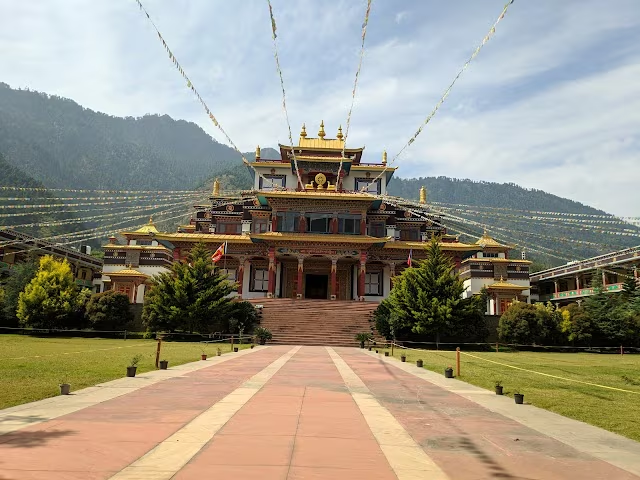
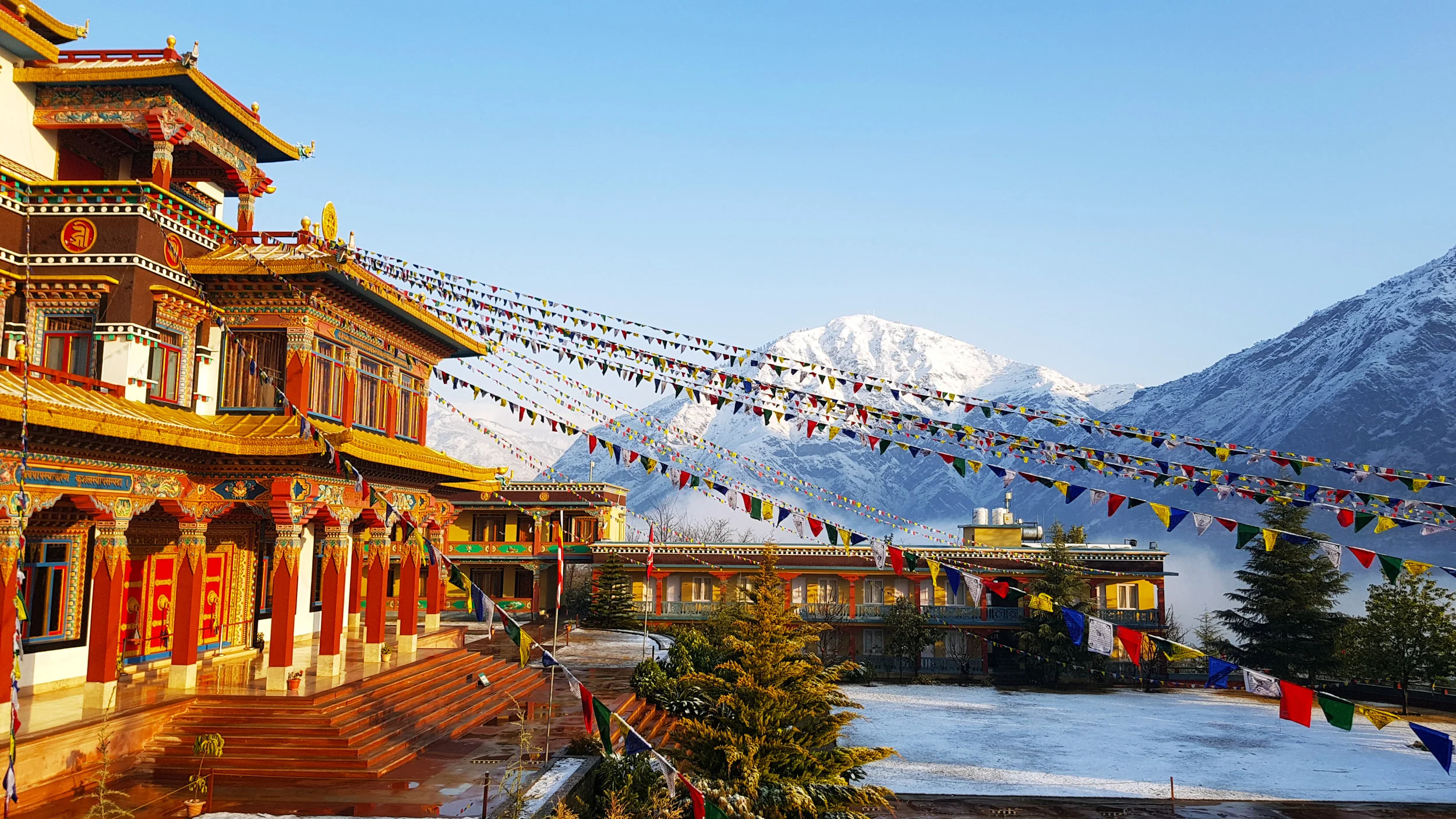
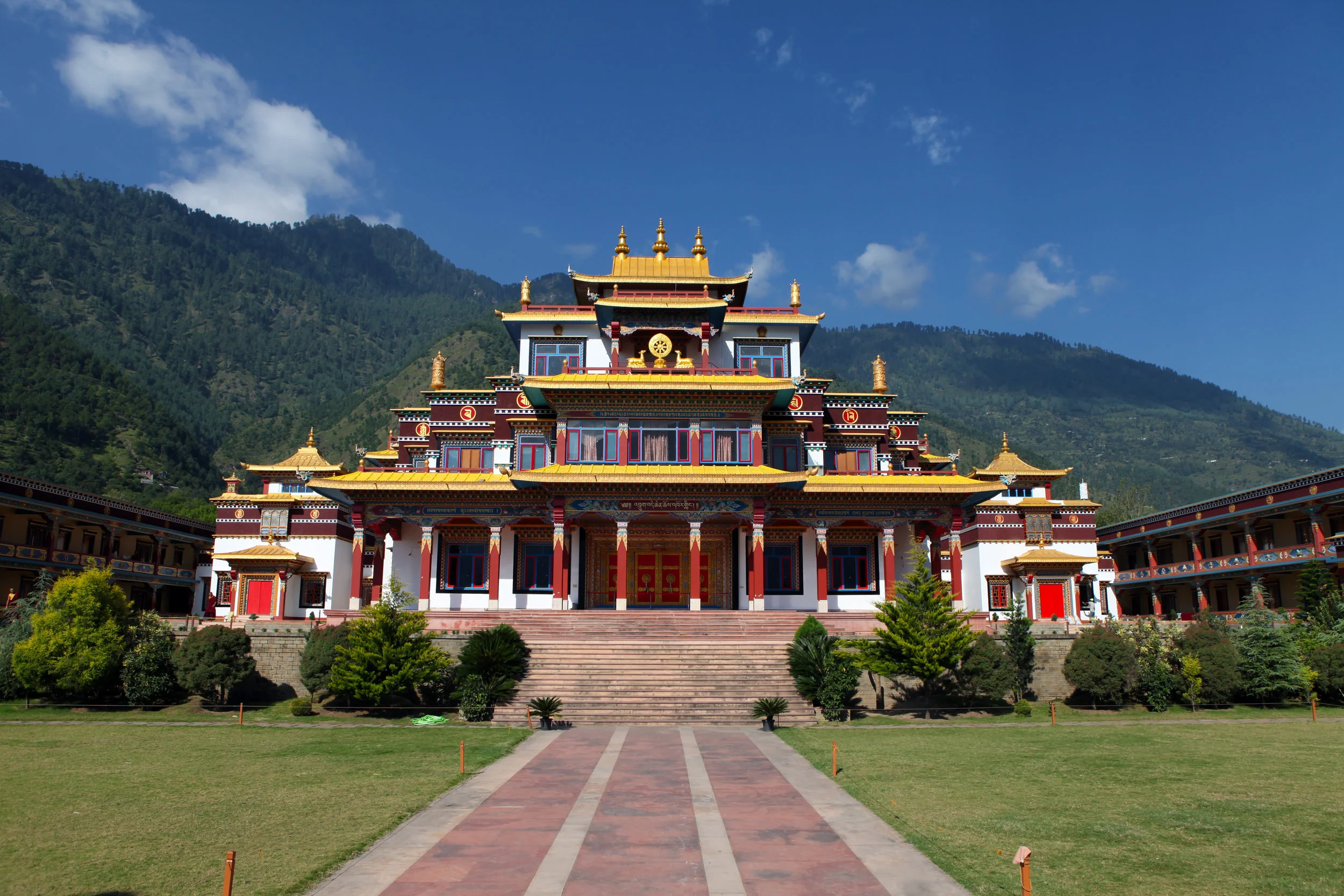
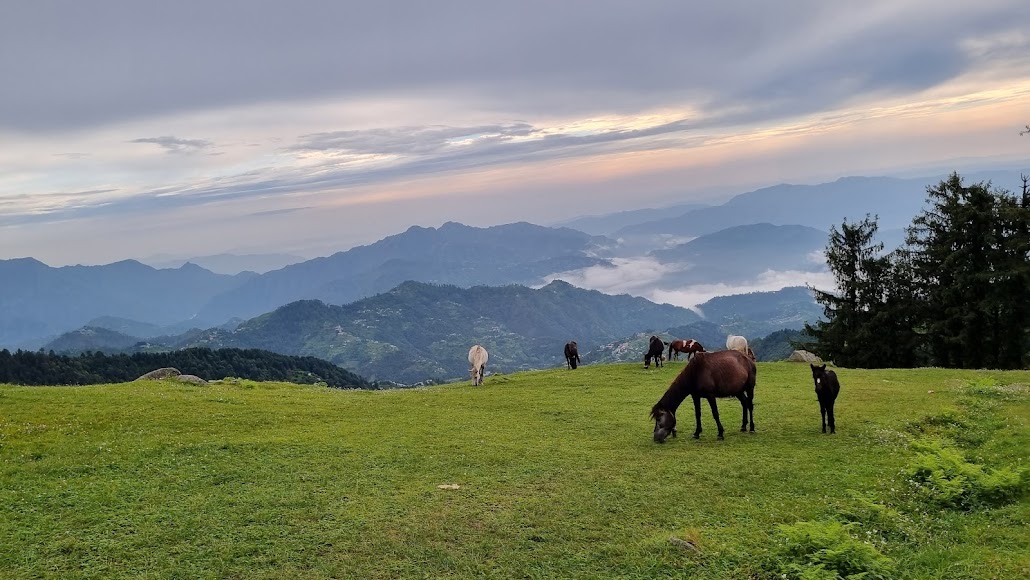
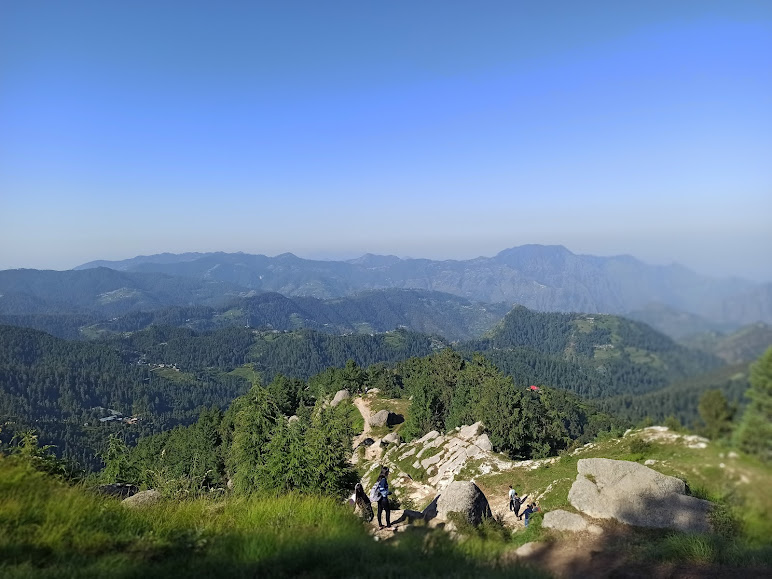
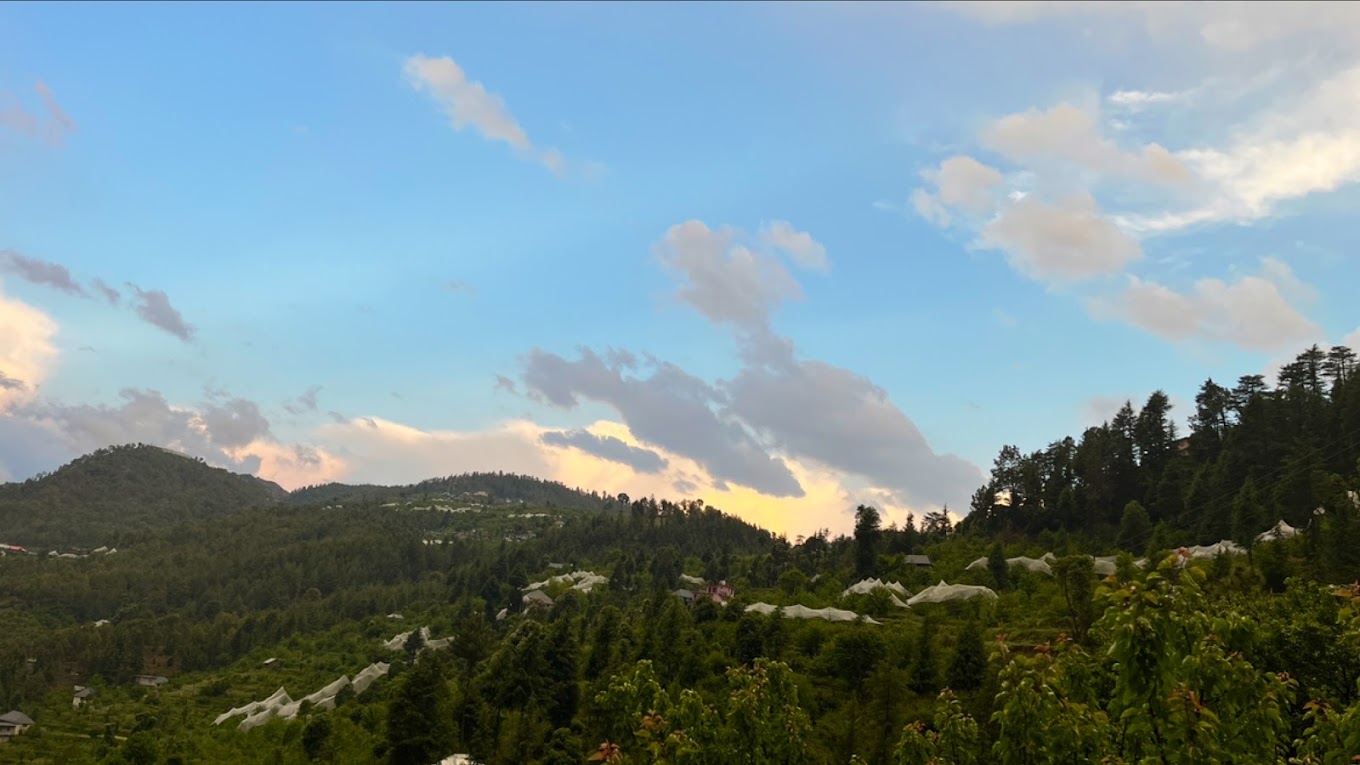
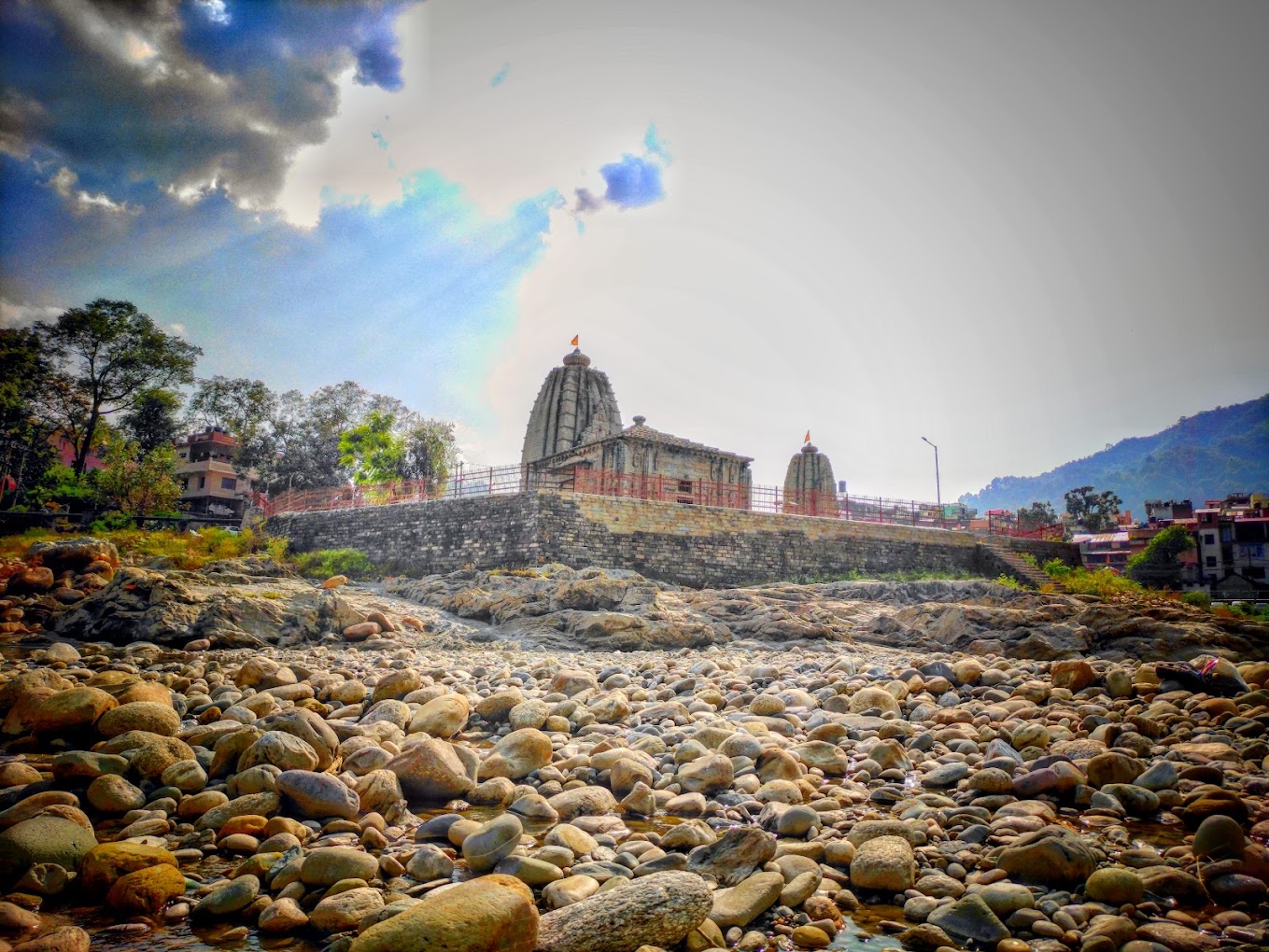
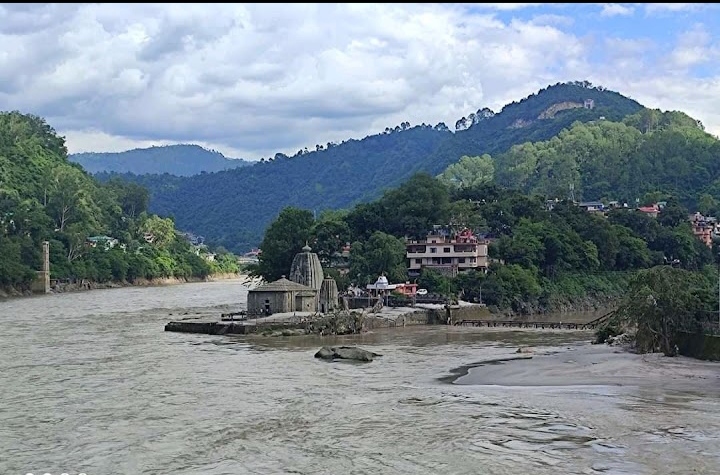
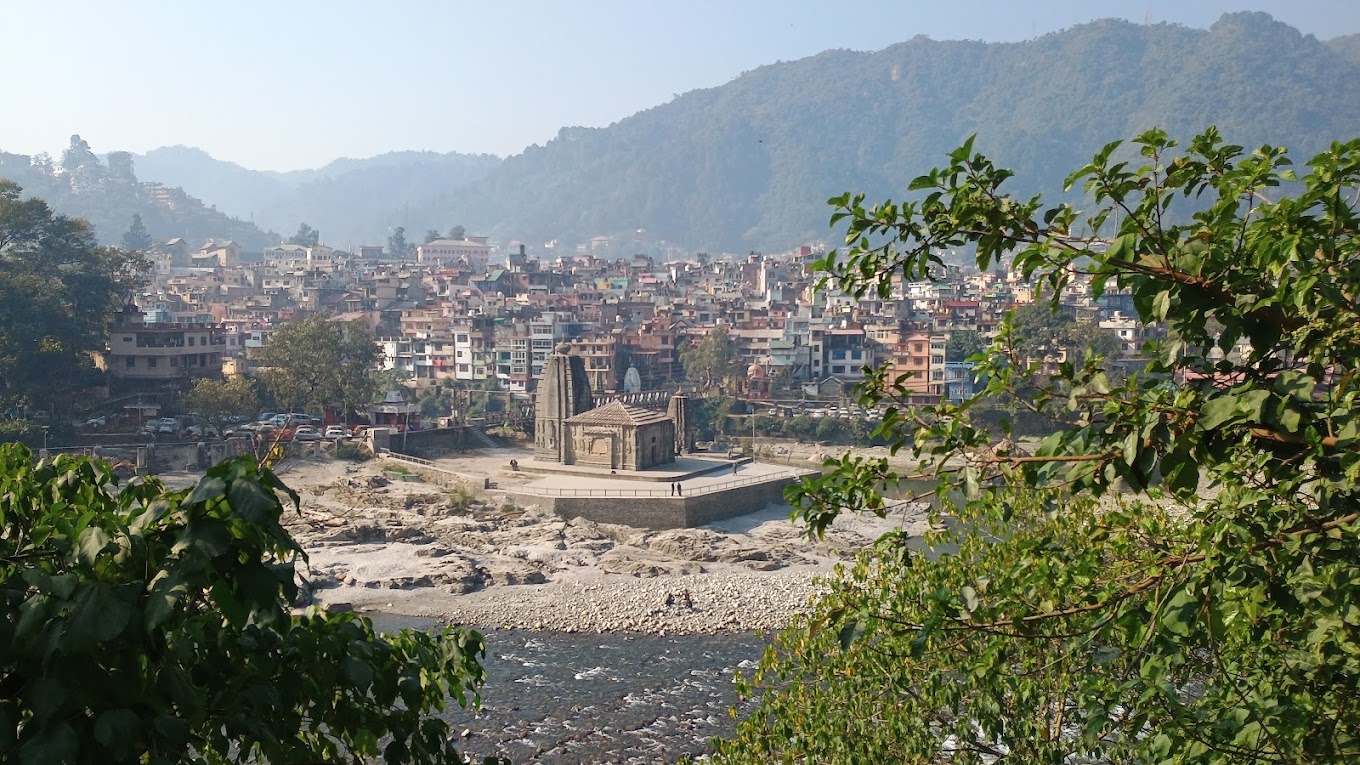
Dechen Choekhor Mahavihara Monastery is one of those places that feels peaceful the moment you arrive. It sits quietly in the Kullu Valley of Himachal Pradesh, surrounded by green hills and fresh mountain air. There is no rush here, no loud noise, no chaos. Just soft wind, birds, and sometimes the gentle sound of monks chanting. Even if you are not religious, the calm feeling touches you. It feels like the world slows down for a while.
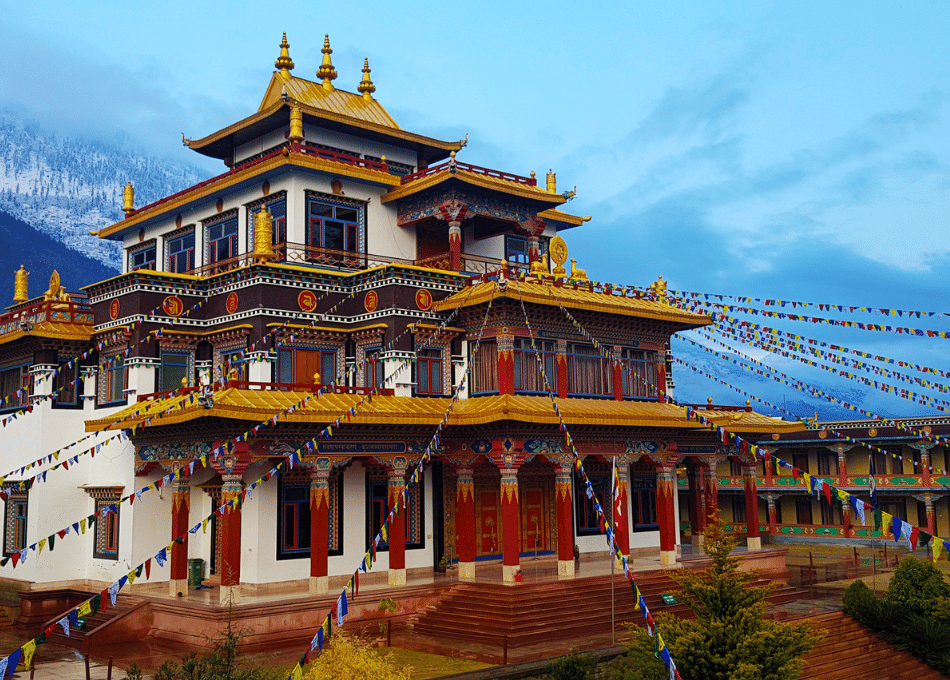
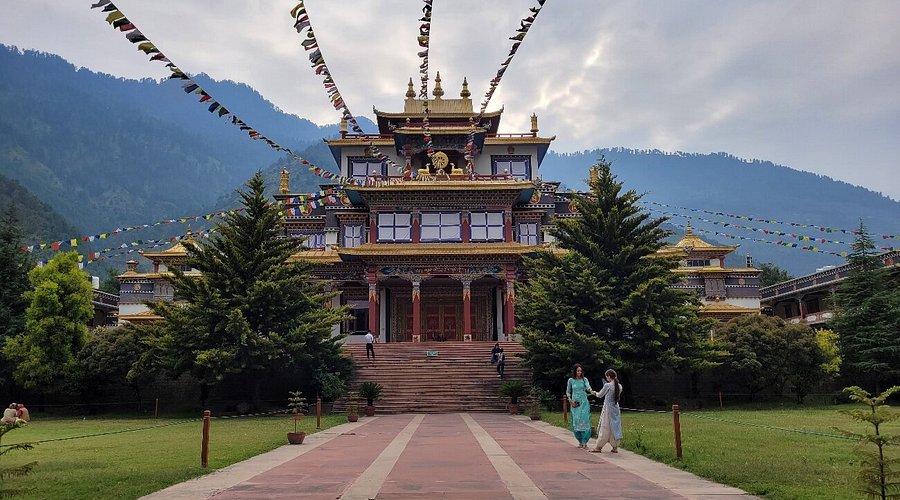
Many travelers come here to escape busy cities and crowded tourist spots. This monastery is not packed with people, which makes the visit more special. You can walk slowly, sit quietly, or simply look at the mountains for as long as you want. Colorful prayer flags move softly in the breeze. The whole place feels clean, peaceful, and welcoming. It is perfect if you just want to breathe and relax.
Where It Is and How to Reach
The monastery is located in Kullu district in Himachal Pradesh, not very far from the popular town of Manali. The nearest airport is Bhuntar Airport, which is only about 10 to 15 kilometers away. From there, taxis are easy to find. The drive is short but very scenic. You will see rivers, forests, and small mountain houses along the way.
If you are coming by train, the nearest big stations are Chandigarh and Pathankot. From either place, you can take a bus or taxi to Kullu. Many people travel from Delhi by overnight bus. It takes time, but the journey through the mountains is beautiful. Watching the landscape change from plains to hills is part of the experience.
Once you reach Kullu town, local taxis can take you directly to the monastery. Drivers know the place well. Mobile maps work most of the time, but asking locals is always helpful. It is best to travel during daylight, especially if you are not used to mountain roads. At night, the roads can feel narrow and dark.
Best Time to Visit
The best time to visit is from spring to early summer, between March and June. During these months, the weather is pleasant and comfortable. Days are warm but not hot, and evenings are cool. The valley looks green and fresh, and walking outside feels easy. It is a great time for sightseeing and photography.
September to November is also a lovely time. The air feels clean after the monsoon rains, and the views are clear. The crowds are smaller compared to peak summer. It feels calm and peaceful. If you like quiet travel, this season is ideal.
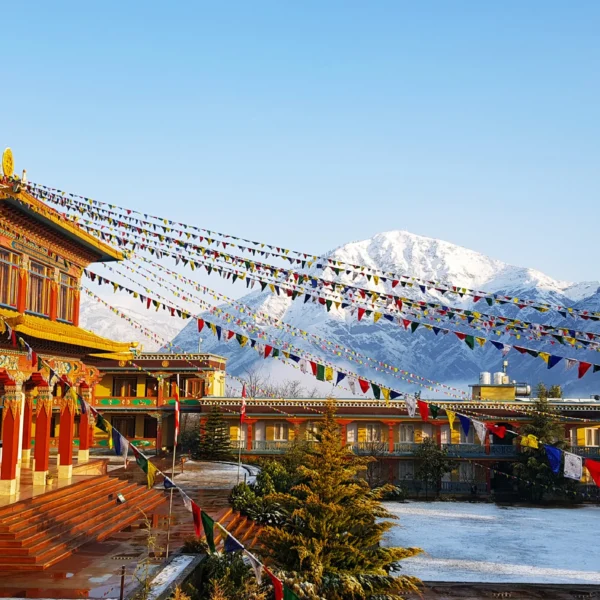
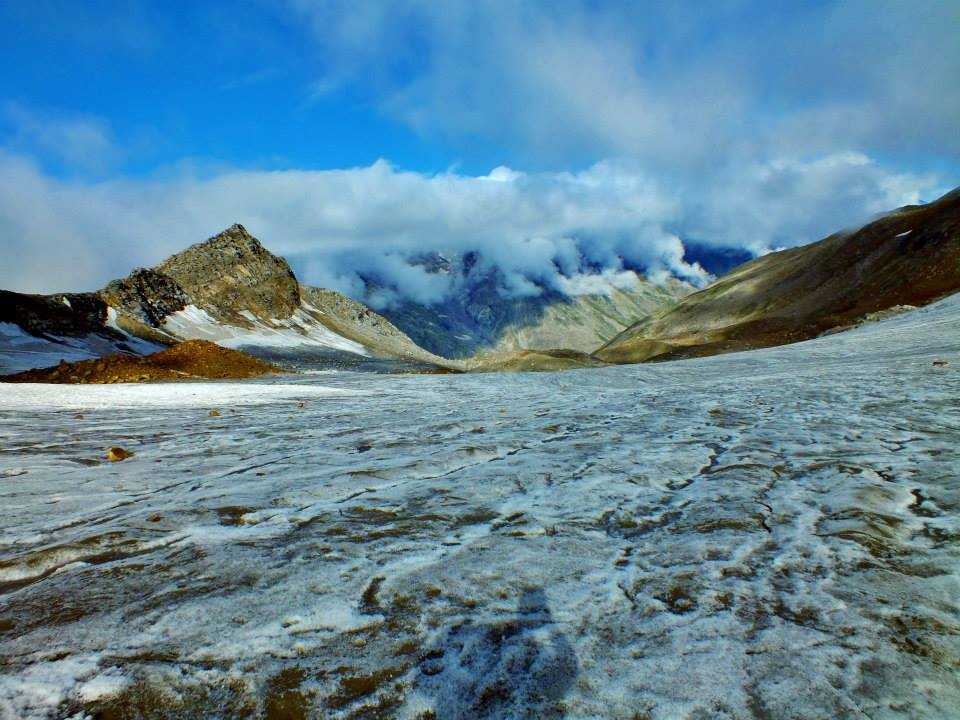
Monsoon season, from July to August, brings heavy rain. Landslides and road delays can happen. Travel is still possible but not very comfortable. Winter, from December to February, is very cold. Snowfall is common, which makes everything look magical. However, roads can be slippery and temperatures drop sharply at night.
Architecture and Sacred Art
The monastery follows traditional Tibetan Buddhist design. From outside, it looks colorful but not flashy. Red, yellow, blue, and white shades are used in meaningful ways. As you get closer, you notice the small details in the windows, doors, and carvings. The building feels both simple and beautiful at the same time.
Inside, the prayer hall is calm and warm. Large statues of Buddha sit peacefully at the front. The walls are covered with paintings that tell stories from Buddhist teachings. Soft light from butter lamps creates a gentle glow. The smell of incense fills the air and makes the place feel sacred.
Prayer wheels line the pathways around the monastery. Visitors gently spin them while walking clockwise. It is believed that this brings peace and positive energy. Even if you do not follow the belief, the action itself feels calming. Many people find it almost meditative.
Religious Importance
This monastery is not just a tourist attraction. It is an active place of worship and learning. Monks live here and follow a daily routine of prayer, meditation, and study. The monastery plays an important role for the local Buddhist community. Festivals and special ceremonies are held throughout the year.
Visitors are welcome, but respectful behavior is expected. Silence inside the prayer hall is appreciated. Some areas may not allow photography, so it is polite to ask first. Sitting quietly and observing the prayers can be a very moving experience. The atmosphere encourages calm thinking and inner peace.
People from all backgrounds visit this place. Some come for spiritual reasons, others simply for the peaceful environment. Many leave feeling relaxed and refreshed. It is not about religion alone. It is about the calm energy of the place.
What to Wear
Clothing depends on the season, but layers are always a good idea. Even in summer, mornings and evenings can feel cool. A light jacket or sweater is usually enough. Comfortable shoes are important because you may walk on uneven paths.
In winter, heavy warm clothes are necessary. Thick jackets, gloves, caps, and thermal wear will keep you comfortable. Snow boots can be helpful if there is fresh snow. Dressing in layers makes it easier to adjust during the day.
When visiting the monastery, modest clothing is recommended. Avoid very short or revealing outfits. Simple, respectful clothes are appreciated. This shows respect for the religious nature of the place.
Food Options Nearby
Food choices near the monastery are simple but satisfying. In Kullu town, you will find small restaurants and local eateries. North Indian meals, Tibetan dishes, and snacks are easily available. Warm foods like rice, dal, vegetable curries, momos, and noodles are common. Everything tastes extra comforting in the cool mountain air.
Right near the monastery, options may be limited. It is a good idea to eat before visiting or carry light snacks. Always keep water with you. Mountain air can be dry, and you may feel thirsty more often.
Small roadside cafes often serve homemade style meals. They may look simple but the food is usually fresh and tasty. A cup of hot tea while looking at the mountains feels especially comforting.
Where to Stay
Kullu and nearby Manali offer many places to stay. Budget guesthouses, family hotels, and luxury resorts are all available. Staying in Kullu town is convenient if you want to visit the monastery easily. Manali is more touristy and has more entertainment options.
Many hotels offer beautiful views of mountains and rivers. Booking in advance is a smart idea during peak seasons. Winter travel can be cheaper because fewer tourists visit. Just make sure the hotel has proper heating.
Homestays are also a lovely option. Staying with local families gives you a more personal experience. You get to enjoy homemade food and learn about local life. Many travelers find this option warm and memorable.
Simple Travel Tips
Try to visit early in the morning if possible. The atmosphere feels even more peaceful at that time. Carry some cash because small shops may not accept cards. Mobile signals can be weak in some areas, so do not rely fully on the internet.
Walk slowly and take your time. This is not a place to rush. Sit quietly if you feel like it. Many visitors say the calm environment feels almost healing. Respect local customs and keep noise low.
If you have extra time, explore more of Kullu Valley. The region is full of rivers, temples, villages, and scenic viewpoints. Staying for a few days makes the trip more rewarding.
Final Thoughts
Dechen Choekhor Mahavihara Monastery is more than just a place to see. It is a place to feel. The peace, the mountains, the quiet air, everything works together to calm your mind. You do not need to be spiritual to enjoy it. Just being there is enough.
If you are planning a trip to Kullu, this monastery is truly worth visiting. It offers a different kind of travel experience. Not loud or crowded, just calm and beautiful. Sometimes the quiet places leave the strongest memories. This is definitely one of them.